
10 Common LNG Misconceptions
LNG is frequently misunderstood by operators, investors, and the public. These 10 common misconceptions — and their corrections — clarify the realities of liquefied natural gas.
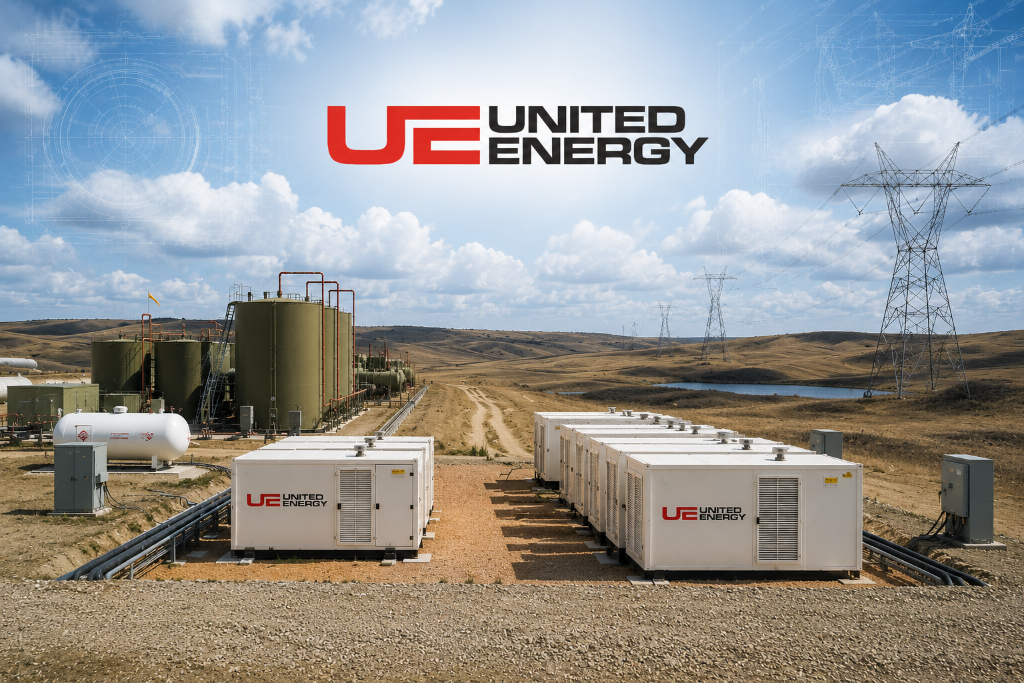
Setting the Record Straight on LNG
Liquefied natural gas is a mature industrial technology with a 70+ year operating history, yet misconceptions about what it is, how it behaves, and what it costs remain common. These misunderstandings can cause industrial operators to undervalue LNG's operational advantages, overestimate its risks, or make supply decisions based on incorrect assumptions.
Here are 10 of the most common LNG misconceptions, with factual corrections.
Misconception 1: LNG Is Explosive
Reality: LNG is not explosive. LNG itself is a non-pressurized cryogenic liquid. When warmed, it vaporizes to natural gas, which is flammable within a specific concentration range (5–15% in air). Outside this range, natural gas will not ignite. Unlike gasoline, which is denser than air and pools at ground level, natural gas is lighter than air and disperses upward, making pooling accumulation unlikely in open environments. LNG has an outstanding safety record across decades of industrial use.
Misconception 2: LNG Is the Same as LPG (Propane)
Reality: LNG (liquefied natural gas) and LPG (liquefied petroleum gas, including propane and butane) are different substances. LNG is primarily methane, stored at -260°F at atmospheric pressure. LPG is propane or butane stored as a liquid at modest pressure and much warmer temperatures (-44°F for propane at atmospheric pressure). They are different molecules with different properties, applications, and infrastructure requirements.
Misconception 3: LNG Is Too Complicated for Industrial Users
Reality: Hundreds of industrial users across North America successfully operate LNG supply systems. The technology is well-established, safety protocols are mature, equipment is commercially available from multiple manufacturers, and experienced LNG service providers manage supply chains effectively for industrial customers. Working with an integrated LNG provider like United Energy significantly reduces the operational burden on the customer.
Misconception 4: LNG Is Significantly More Expensive Than Diesel
Reality: In most North American market conditions, LNG provides lower cost per BTU than diesel. The natural gas commodity that LNG is made from has historically traded at a significant discount to crude oil and diesel on a BTU-equivalent basis. Logistics costs add to delivered LNG price, but for high-consumption operations, the total delivered cost of LNG is typically lower than diesel. Compare LNG and diesel economics in detail.
Misconception 5: LNG Can Only Be Used in Special Equipment
Reality: When regasified, LNG produces pipeline-quality natural gas that is chemically identical to utility gas. This gas can be used in any standard natural gas equipment — boilers, furnaces, generators, process heaters, turbines — without modification. Only the fuel supply system (storage and regasification) requires specialized LNG equipment.
Misconception 6: LNG Will Freeze If It Gets Cold
Reality: LNG is already stored at -260°F, which is far colder than any ambient winter temperature on Earth. Ambient cold weather has no effect on stored LNG or on the operation of LNG equipment designed for cryogenic service. LNG actually performs better in cold ambient conditions than diesel, which can gel at extreme temperatures.
Misconception 7: LNG Tanks Are Dangerous to Have On-Site
Reality: LNG storage tanks are engineered with multiple layers of safety systems: vacuum insulation to minimize heat transfer, pressure relief devices to safely manage overpressure, emergency shutoff valves, and secondary containment. NFPA 59A setback requirements ensure safe distances from buildings and ignition sources. Industrial LNG storage has an excellent safety record when operated per applicable standards.
Misconception 8: LNG Is a New, Unproven Technology
Reality: LNG has been an industrial technology for over 70 years. The first commercial LNG peak shaving plant in the US was built in 1941. LNG export and import operations have operated globally for decades. Small-scale LNG for industrial supply has been established for 30+ years. The technology is mature and thoroughly proven.
Misconception 9: LNG Deliveries Are Unreliable
Reality: A well-designed and well-managed LNG supply chain is highly reliable. The key variables are: working with an experienced, capable logistics provider; maintaining adequate on-site storage buffer; and proper supply chain planning. Unreliable LNG supply is typically a function of inadequate supply chain design or management, not an inherent technology limitation.
Misconception 10: The Energy Transition Will Eliminate LNG Demand
Reality: Most credible energy transition scenarios include significant natural gas demand through 2050 and beyond for industrial heat, backup power, and dispatchable generation applications where current renewable alternatives are technically insufficient or economically infeasible. LNG infrastructure built today has 20–50 year economic lives that extend well into the period where natural gas demand remains substantial.
Key Takeaways
- LNG is not explosive and has an outstanding safety record when operated per applicable standards
- LNG is a different substance from LPG/propane with different properties and applications
- Regasified LNG is chemically identical to utility natural gas and works in standard gas equipment
- LNG has been a commercial industrial technology for over 70 years
- Well-managed LNG supply chains are highly reliable; reliability problems reflect management deficiencies, not technology limitations
Is natural gas heavier or lighter than air?
Natural gas (methane) is lighter than air — its density is approximately 0.55 relative to air. This means natural gas vaporized from LNG rises and disperses upward rather than pooling at ground level, which is an important safety advantage compared to heavier fuels like propane and diesel vapors.
What is the flash point of LNG?
LNG (liquid methane) is stored at temperatures far below its flash point. In vapor form, natural gas has a flammability range of 5–15% concentration in air. Below 5% or above 15%, natural gas will not ignite. This narrow flammability range, combined with the gas's lighter-than-air properties, contributes to LNG's strong safety record.
Can LNG be used safely in enclosed spaces?
Natural gas equipment operates in industrial buildings worldwide. Proper ventilation, gas detection, and emergency shutoff systems are standard requirements for enclosed natural gas applications. LNG handling operations — tank filling, transfer operations — are typically conducted outdoors per NFPA 59A requirements. Indoor applications use regasified gas through standard natural gas piping systems.
Does LNG produce more or less greenhouse gas than diesel?
Natural gas combustion produces approximately 25–30% less CO2 per unit of energy than diesel combustion. It produces essentially no particulate matter (black carbon), which is a potent short-lived climate pollutant. When full supply chain methane emissions are considered (from production through end use), the net climate benefit of LNG versus diesel depends on methane leakage rates in the supply chain.
Clear Information on LNG Technology
United Energy's technical team provides straightforward, expert guidance on LNG applications, supply chains, and safety for industrial operators.