
Industrial Backup Power Strategies
Industrial facilities require customized backup power strategies that match their specific load profiles, reliability requirements, and operational constraints. This guide covers the core strategic options.
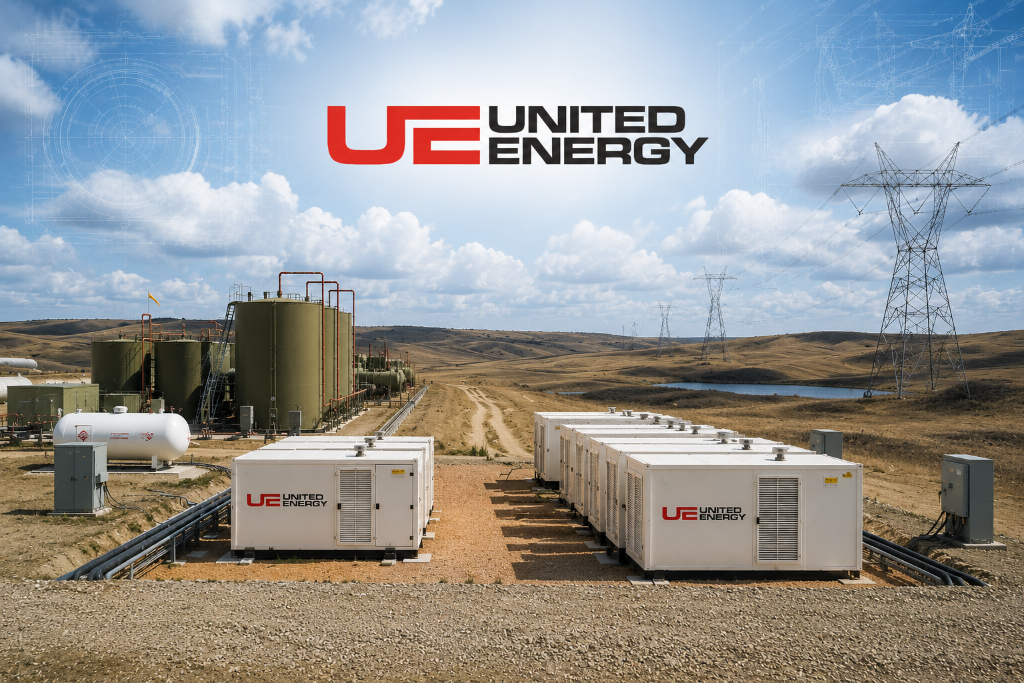
Designing Industrial Backup Power Strategy
Backup power strategy for industrial facilities is not a one-size-fits-all decision. The appropriate backup power approach depends on the facility's load profile, reliability requirements, consequences of power interruption, available fuel sources, regulatory environment, and capital budget. This guide explains the core strategic options and the factors that should drive strategy selection.
Strategy Framework: Tiers of Protection
Industrial backup power is best designed as a tiered system, with each tier providing a different level of protection against different types of power supply events:
- Tier 1: Power conditioning and UPS: Protects against brief power quality events (sags, surges, frequency deviations) and bridges the gap during generator startup (typically 5–15 minutes)
- Tier 2: Backup generation: Provides power when the grid fails for extended periods, from hours to days
- Tier 3: Prime/distributed generation: Provides continuous power independent of the grid, for permanent off-grid operation or as the primary source in grid-constrained situations
Not every facility needs all three tiers, but understanding each tier's function helps engineers design appropriate protection for specific load requirements.
Backup Generator Strategies
Standard Diesel Standby
Diesel generators in standby configuration are the most common industrial backup power solution: well-understood, universally serviceable, and available in a wide range of sizes. Primary limitations are runtime (governed by on-site diesel storage) and diesel fuel quality management requirements for long-term standby service.
LNG-Fueled Natural Gas Generators
For facilities consuming significant diesel volumes for backup or seeking extended runtime capability, LNG-fueled natural gas generators provide lower emissions, potentially lower fuel cost, and extended runtime through LNG storage that can be sized for days to weeks. LNG generator systems require cryogenic storage infrastructure and an LNG supply chain but eliminate many of the limitations of diesel standby.
Dual-Fuel Systems
Dual-fuel systems maintain diesel engines that can substitute LNG/natural gas for a portion of their fuel consumption. These provide operational flexibility — able to run on diesel alone if LNG supply is interrupted — while capturing LNG cost and emissions benefits at normal operating conditions.
Load Prioritization
Few industrial facilities have sufficient backup generation capacity to serve their full operating load. Effective backup power strategy includes load prioritization: identifying which loads are critical (must remain powered), essential (should be powered if capacity allows), and non-critical (can be shed during backup operation). This prioritization drives transfer switching design, generator sizing, and load management programming.
Fuel Storage Strategy
Fuel storage sizing is a critical backup power design parameter. Key questions:
- What is the maximum anticipated duration of a grid outage event?
- What critical loads must be served throughout that duration?
- What are local fire code constraints on diesel storage volumes?
- Is LNG logistics accessible to provide extended runtime beyond diesel storage limits?
Automatic Transfer Switching Design
Automatic transfer switching (ATS) is essential for industrial backup power systems where manual transfer is too slow. ATS systems monitor grid power quality and automatically transfer critical loads to backup generation when grid parameters fall outside acceptable limits — typically within 1–10 seconds of a grid failure.
Key Takeaways
- Industrial backup power strategy should be designed as tiered protection covering power quality, extended outages, and potential off-grid operation
- LNG-fueled backup extends runtime beyond diesel storage limitations while reducing emissions and fuel cost
- Load prioritization is essential for facilities where backup generation cannot serve full operating load
- Fuel storage sizing must account for maximum expected outage duration and critical load requirements
- Automatic transfer switching is essential for industrial applications where manual transfer timing is inadequate
How much backup generation capacity does an industrial facility need?
Backup generation should be sized to serve all loads that must remain operational during a grid outage. Start with a critical load list, measure or estimate full-load kW demand for each, sum the total, and add a starting surge margin (typically 20-30%). The result is the minimum backup generation capacity needed.
What is the difference between standby and emergency power ratings for generators?
Standby generators are rated for limited hours per year (typically 500 hours/year maximum) and are sized for emergency use only. Emergency generators have specific application requirements under codes like NFPA 110 for critical facilities. Prime generators are rated for unlimited hours and can serve as the primary power source.
Can LNG backup power be added to an existing diesel backup system?
Yes. LNG backup can be added alongside or as a replacement for existing diesel backup in several configurations: replacing diesel generators with natural gas units (requires new equipment), adding LNG fuel capability to existing dual-fuel-capable engines (if applicable), or adding parallel LNG-fueled generation as additional capacity.
What is the cost comparison between diesel and LNG backup power?
Capital cost for natural gas generator sets is generally comparable to diesel. LNG infrastructure (storage, regasification) adds capital cost not required for diesel. Operating cost comparison depends on relative fuel prices — LNG is typically lower cost per BTU in normal gas market conditions. Total lifecycle analysis typically favors LNG for high-consumption and high-runtime applications.
Industrial Backup Power Solutions
United Energy provides LNG fuel supply and distributed generation for industrial backup and prime power applications requiring maximum reliability.