
LNG Supplier Near Me: How to Source Reliable LNG Supply
Finding a reliable LNG supplier requires evaluating supply chain capability, logistics coverage, safety record, and contract terms. This guide explains what to look for.
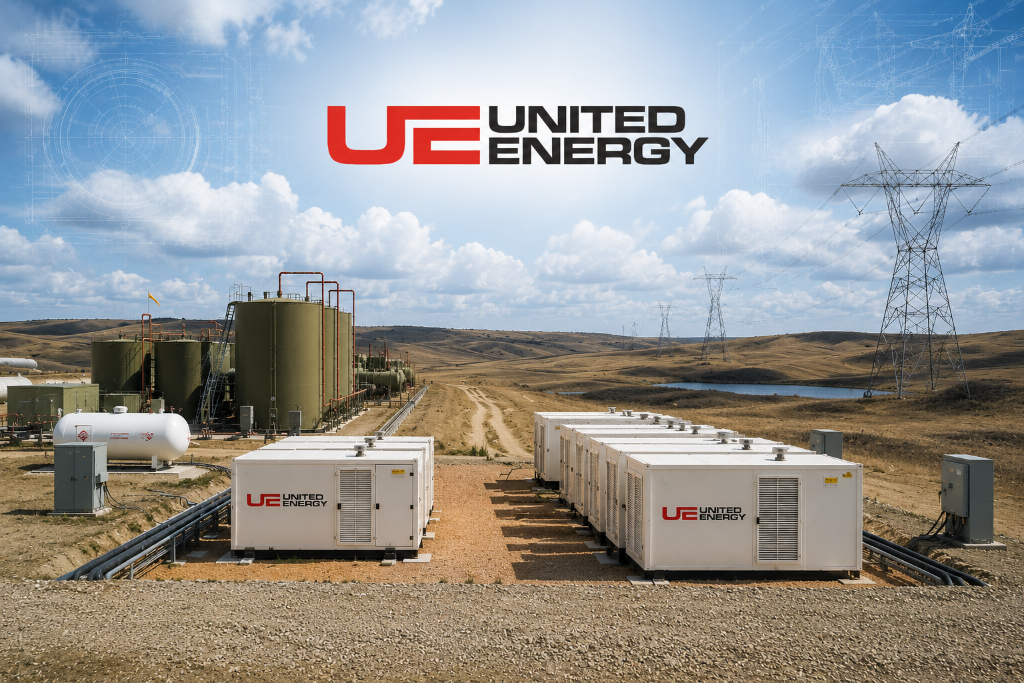
How to Find and Evaluate an LNG Supplier
Industrial and commercial operators seeking LNG supply have a growing list of options as small-scale LNG infrastructure expands across North America. However, not all LNG suppliers are equal — the difference between a reliable, technically capable LNG logistics partner and an unreliable one can mean the difference between smooth operations and production-stopping supply interruptions.
This guide explains what to look for when evaluating LNG suppliers, what questions to ask, and how to structure a supply relationship that meets your operational requirements.
What Does an LNG Supplier Actually Do?
A true LNG supplier manages the complete chain from gas procurement to on-site delivery. This includes:
- Sourcing natural gas feedstock and managing commodity price exposure
- Operating or contracting liquefaction capacity to convert gas to LNG
- Maintaining a cryogenic tanker truck fleet for delivery
- Providing on-site storage equipment (tank rental or customer-owned tank filling)
- Scheduling and dispatching deliveries to meet customer demand
- Providing emergency supply contingencies
United Energy's Energy Fulfillment™ platform covers each of these elements under single-operator accountability — eliminating the coordination problems that arise when customers must manage relationships with separate gas, liquefaction, and logistics providers.
Geographic Coverage: The Most Important Factor
Before evaluating any other supplier attribute, confirm that the supplier can actually reach your location reliably. LNG delivery economics are heavily influenced by distance from the liquefaction source — truck delivery beyond 300–500 miles becomes increasingly expensive and logistically complex.
Key geographic questions to ask potential suppliers:
- Where is your nearest liquefaction facility to our site?
- What is your current delivery coverage area?
- How many dedicated trucks serve our region?
- What is your backup sourcing if your primary plant has an outage?
Supply Reliability: Ask the Hard Questions
Supply reliability is the most critical operational requirement. A supplier who quotes an attractive price but cannot consistently deliver on schedule creates operational risk that may far exceed the cost savings.
Reliability questions to ask:
- What is your on-time delivery performance over the past 12 months?
- How do you handle force majeure supply disruptions?
- What contingency supply sources do you have access to?
- Do you have tank telemetry capability to proactively manage customer inventory?
- What is your emergency call protocol for supply concerns?
Equipment and Infrastructure Support
Many industrial LNG users need more than just fuel delivery — they need equipment, infrastructure design, and ongoing technical support. Suppliers that can provide or support storage tanks, regasification equipment, and gas distribution systems simplify the customer's procurement and management burden significantly.
Safety Record and Certifications
LNG handling requires specific safety qualifications. When evaluating suppliers, confirm:
- DOT operating authority for hazardous materials transport
- Driver CDL and hazmat endorsement requirements
- Safety management system documentation
- Incident/accident history
- NFPA 59A compliance for any storage equipment provided
Contract Terms to Evaluate
LNG supply contracts typically include:
- Volume commitments: Minimum purchase obligations, take-or-pay provisions
- Pricing mechanism: Fixed price, index-linked (Henry Hub +), or hybrid
- Delivery terms: Scheduled delivery vs. call-off, lead time requirements
- Force majeure provisions: What constitutes excused non-delivery
- Term: Contract duration and renewal options
Red Flags When Evaluating LNG Suppliers
- No dedicated truck fleet (relying entirely on third-party carriers)
- Single-source liquefaction with no backup supply option
- No tank telemetry or remote monitoring capability
- Vague responses to emergency supply contingency questions
- Pricing that seems too good relative to market — may indicate corner-cutting on equipment or logistics quality
Key Takeaways
- Geographic coverage relative to your site location is the first filter for any LNG supplier evaluation
- Supply reliability history and contingency planning are more important than price alone
- Integrated suppliers who manage gas procurement, liquefaction, and logistics provide more reliable service than fragmented multi-party arrangements
- Safety credentials and equipment quality are non-negotiable requirements
- Contract terms should clearly address volume, pricing, delivery, and force majeure
How do I find LNG suppliers serving my area?
Start by contacting established LNG infrastructure companies that operate in your region. United Energy Corporation serves industrial and commercial customers across the central and southern United States. LNG Americas and other industry publications list active LNG suppliers and their coverage areas.
What is a typical LNG supply contract term?
LNG supply contracts commonly range from 1 to 5 years for industrial users, with some operators preferring longer terms for price certainty. Shorter terms are available but may come with premium pricing relative to committed volume contracts.
Can I get LNG on a spot or trial basis before committing to a contract?
Some LNG providers offer trial or spot supply arrangements, though logistics economics usually favor contracted supply. Trial arrangements can be useful for confirming equipment compatibility and supply chain performance before committing to a long-term contract.
What is the lead time to establish a new LNG supply account?
Establishing a new LNG supply account, including site assessment, storage equipment installation, and safety review, typically takes 4 to 12 weeks depending on equipment availability and site-specific requirements. Shorter lead times are possible for sites with existing storage infrastructure.
United Energy: Reliable LNG Supply Across the US
Contact United Energy to discuss LNG supply for your industrial, remote, or commercial energy operation. We provide integrated supply chain management from production to delivery.