
7 Benefits of LNG for Industrial Facilities
Industrial facilities that make the transition from diesel or propane to LNG gain multiple operational, economic, and environmental advantages. Here are 7 of the most significant.
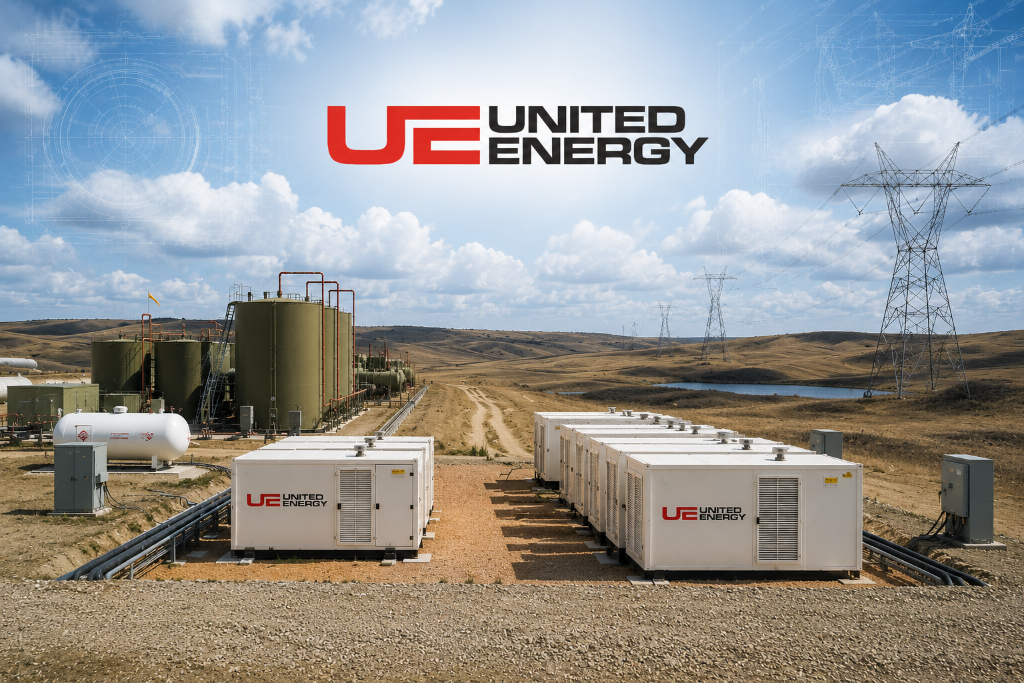
Why Industrial Facilities Choose LNG
Liquefied natural gas has become an increasingly attractive fuel for industrial facilities — particularly those operating beyond the reach of natural gas pipelines or seeking to reduce their dependence on diesel. The decision to transition to LNG involves careful evaluation of infrastructure requirements, logistics, and economics. For facilities where the numbers work, the operational benefits are substantial.
Here are 7 key benefits that industrial operators consistently cite when evaluating or reflecting on LNG adoption.
Benefit 1: Lower Fuel Cost Per BTU
In most North American market conditions, natural gas delivered as LNG provides lower cost per BTU than diesel or propane. The natural gas commodity price at Henry Hub has historically traded at a significant discount to crude oil on a BTU-equivalent basis, and this price advantage translates to meaningful savings for industrial facilities consuming significant fuel volumes.
For a facility burning 100,000 gallons of diesel equivalent per month, even a $0.50/gallon cost advantage represents $600,000 annually in direct fuel savings. At higher consumption volumes or larger price differentials, the economics become even more compelling. Compare LNG and diesel economics in detail.
Benefit 2: Reduced Emissions
Natural gas combustion produces approximately 25–30% less CO2 than diesel combustion per unit of energy. NOx emissions are substantially lower, and particulate matter emissions are near zero compared to diesel. For industrial facilities with air quality permit requirements, ESG reporting obligations, or operating in non-attainment air quality areas, transitioning to LNG from diesel provides significant emissions compliance benefits.
Benefit 3: Extended Run Time Capability
On-site LNG storage can be sized to provide days or weeks of fuel inventory — far more practical buffer than diesel in many high-consumption applications. For facilities requiring uninterrupted operations, the ability to store large fuel reserves provides operational security that is difficult to match with diesel in remote locations.
Benefit 4: Better Equipment Performance and Longevity
Natural gas is a cleaner-burning fuel than diesel, producing fewer combustion byproducts that contaminate engine oil, clog fuel systems, and foul exhaust systems. Equipment running on natural gas typically demonstrates longer time between maintenance intervals, lower oil consumption, and extended service life compared to equivalent diesel-fueled equipment.
Benefit 5: Price Stability Relative to Diesel
Diesel prices are directly linked to crude oil markets, which can experience significant volatility. Natural gas prices, while also variable, tend to follow distinct market dynamics from crude oil. For industrial operators managing multi-year operating budgets, LNG exposure to gas rather than oil markets may provide greater cost predictability depending on market conditions.
Benefit 6: Supports Energy Independence from Grid and Pipeline
LNG delivered by truck and stored on-site provides energy supply that is fundamentally independent of grid reliability and pipeline availability. This independence is valuable for facilities in areas with grid reliability concerns, constrained pipeline capacity, or operating in conditions where physical infrastructure is vulnerable to weather or other disruptions.
United Energy's Energy Fulfillment™ platform provides this independent energy supply model through integrated LNG production, logistics, and on-site regasification.
Benefit 7: Scalable and Modular Infrastructure
LNG storage and regasification infrastructure is modular and scalable. As production or energy demand grows, additional tank capacity and vaporization capacity can be added without redesigning the entire system. This scalability allows industrial facilities to right-size their initial LNG investment and expand as operations grow, avoiding the overbuilding risk associated with pipeline infrastructure.
Considerations for Industrial LNG Adoption
While the benefits are real, industrial LNG adoption requires careful planning:
- Adequate consumption volumes to justify infrastructure investment
- Reliable LNG logistics partner with proven supply chain
- Equipment compatibility assessment for existing or new combustion equipment
- Permitting for on-site LNG storage per NFPA 59A
- Personnel training for cryogenic safety
Key Takeaways
- LNG typically provides lower cost per BTU than diesel in normal gas market conditions
- Emissions advantages include 25–30% CO2 reduction and near-zero particulate emissions
- Equipment runs cleaner and requires less maintenance on natural gas versus diesel
- On-site LNG storage provides energy security independent of grid and pipeline
- Modular infrastructure scales with demand growth
What size facility benefits most from LNG?
High-consumption facilities with monthly fuel needs above 30,000–50,000 gallons diesel equivalent typically show the clearest economic case for LNG infrastructure investment. The fixed costs of cryogenic storage and regasification equipment are amortized more effectively at higher consumption volumes.
How long does it take to implement LNG at an industrial facility?
Implementation timelines vary based on equipment procurement lead times, site preparation, and permitting. A typical industrial LNG installation can be completed in 3 to 6 months from project initiation to first gas delivery, depending on site conditions and regulatory requirements.
Can an industrial facility use LNG for both power generation and process heat?
Yes. LNG regasified on-site provides pipeline-quality natural gas that can serve both generators and process heat equipment from a common gas distribution system. This consolidated fuel supply model is common in industrial LNG applications.
Is LNG suitable for outdoor operations in cold climates?
LNG performs well in cold climate operations. Because LNG is stored at cryogenic temperatures, it is unaffected by ambient cold — unlike diesel, which can gel at extreme temperatures. LNG equipment is designed to operate across a wide range of ambient conditions.
What is the environmental permitting process for LNG storage?
LNG storage at industrial facilities requires compliance with NFPA 59A and local fire codes. State environmental agencies may require air quality permits for combustion equipment. Fire department review and approval is typically required. Early engagement with regulatory agencies is recommended during project planning.
Bring LNG to Your Industrial Facility
United Energy provides complete LNG infrastructure solutions — from supply chain design through equipment procurement, installation, and ongoing operations.