
Benefits of Small-Scale LNG Infrastructure
Small-scale LNG infrastructure is unlocking natural gas access for industrial, commercial, and remote energy users who cannot justify large-scale liquefaction investment.
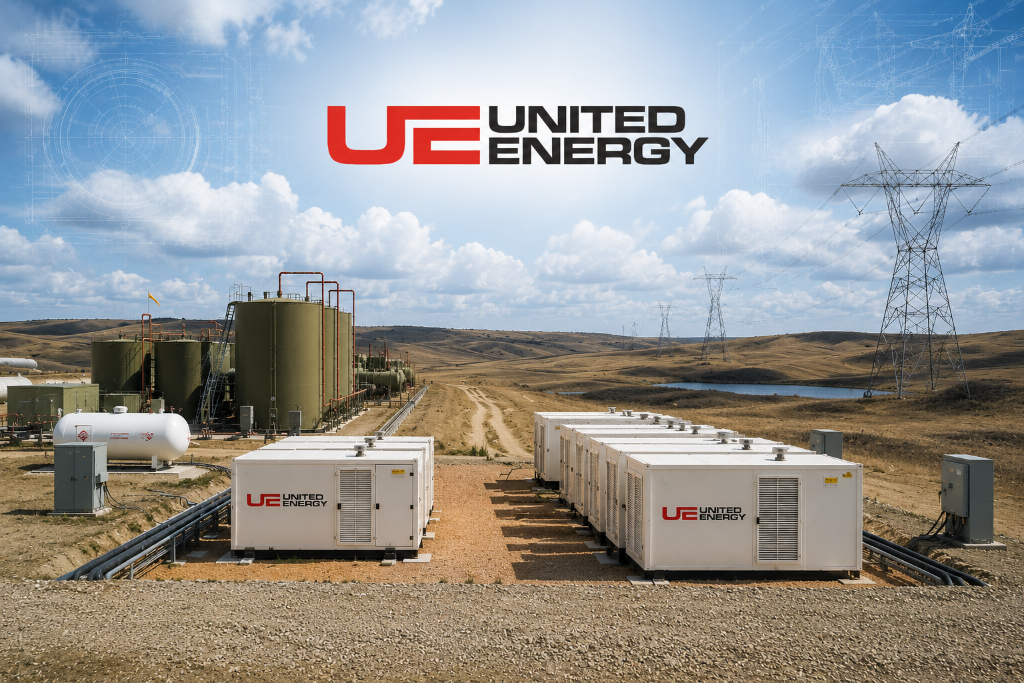
The Rise of Small-Scale LNG
Traditional LNG infrastructure was designed at massive scale — world-scale liquefaction terminals exporting millions of tons per year, and enormous receiving terminals served by LNG tankers. This model served the global gas trade effectively, but left a large portion of the market underserved: the industrial, commercial, and remote energy users who needed natural gas access but couldn't justify billion-dollar infrastructure investments.
Small-scale LNG — typically defined as liquefaction facilities producing less than 1 million tonnes per annum (MTPA) and distribution systems serving localized demand — has emerged to fill this gap. United Energy's Energy Fulfillment™ platform is built around this model: integrated production, logistics, and delivery at the scale appropriate for distributed energy users.
12 Key Benefits of Small-Scale LNG Infrastructure
1. Reaches Locations Pipeline Infrastructure Cannot
The most fundamental benefit of small-scale LNG is geographic reach. Natural gas pipelines require sustained demand concentration to justify construction economics. Many industrial users — remote mining operations, oil field facilities, manufacturing plants in rural areas — sit outside the pipeline grid. Small-scale LNG extends natural gas to these users via truck delivery and on-site storage.
2. Lower Capital Commitment
Small-scale LNG facilities require a fraction of the capital investment of world-scale liquefaction terminals. Modular designs allow capacity to be added incrementally as demand grows, avoiding the risk of overbuilding for uncertain future demand.
3. Faster Deployment
A small-scale LNG facility can be designed, permitted, and commissioned in significantly less time than large-scale infrastructure. Modular skid-mounted liquefaction units can be factory-built and installed on-site in months rather than years.
4. Flexibility for Variable Demand
Small-scale LNG systems can serve peak shaving applications — maintaining a liquid storage reserve that supplements pipeline supply during peak demand periods — as well as base-load applications for off-grid users.
5. Energy Security and Resilience
On-site LNG storage provides an energy buffer that is independent of pipeline supply interruptions. This storage-based resilience is particularly valuable for critical infrastructure, industrial processes, and data centers where energy supply continuity is operationally essential.
6. Supports Distributed Power Generation
Small-scale LNG pairs naturally with distributed gas-fired power generation. LNG is delivered to site, regasified, and burned in generators or turbines — creating a complete off-grid power system that doesn't require grid connection or permanent pipeline service.
7. Environmental Advantages Over Diesel
Displacing diesel with natural gas reduces CO2 emissions by approximately 25–30% and essentially eliminates particulate matter and black carbon emissions. For operations under environmental scrutiny or with emissions compliance requirements, small-scale LNG provides a meaningful environmental improvement pathway.
8. Price Stability Benefits
Natural gas prices tend to exhibit less volatility than crude-oil-linked diesel prices. For industrial operations managing fuel costs across multi-year operating periods, LNG exposure to natural gas markets may provide greater budget predictability than diesel in volatile crude oil environments.
9. Peak Shaving for Utilities
Gas distribution utilities use small-scale LNG storage for peak shaving — building up LNG reserves during summer low-demand periods and vaporizing stored LNG during winter demand peaks. This enables utilities to avoid pipeline capacity upgrades for relatively short peak periods.
10. Emergency Gas Supply Capability
Small-scale LNG infrastructure can function as emergency gas supply for industrial facilities, utilities, or municipalities that experience pipeline supply disruptions. Mobile LNG systems can be deployed quickly to restore gas supply during emergencies.
11. Scalability and Modularity
Small-scale LNG systems are inherently modular. Additional storage capacity, liquefaction capacity, or distribution capability can be added as demand grows without disrupting existing operations.
12. Enables Energy Fulfillment Business Models
Small-scale LNG infrastructure enables integrated energy service models where a single operator manages the complete supply chain from gas procurement to end-use delivery — the model that defines United Energy's Energy Fulfillment™ approach.
Key Takeaways
- Small-scale LNG extends natural gas to locations that pipeline economics cannot justify
- Modular, scalable designs reduce capital commitment and deployment timelines
- Environmental advantages over diesel make small-scale LNG attractive for emissions-conscious operations
- Storage capability provides energy resilience independent of pipeline infrastructure
- The economics of small-scale LNG improve with consumption volume and supply chain optimization
What qualifies as 'small-scale' LNG?
Small-scale LNG typically refers to liquefaction facilities producing less than 1 million tonnes per annum (MTPA) and distribution systems serving localized or regional demand. In practice, most industrial and commercial LNG users are served by facilities producing 50,000–500,000 gallons per day.
How much does a small-scale LNG facility cost?
Small-scale LNG liquefaction facility costs vary widely based on capacity, site conditions, and technology selection. Modular systems can range from a few million dollars for small units to tens of millions for larger regional facilities. The key advantage over world-scale LNG is that capital can be phased with demand growth.
Can small-scale LNG supply be interrupted?
Like any fuel supply chain, small-scale LNG supply can experience disruptions. Well-designed systems include adequate on-site storage to buffer supply interruptions, diversified sourcing where available, and contractual supply commitments with LNG providers.
What permits are required for LNG storage?
LNG storage and handling is regulated under NFPA 59A (Standard for the Production, Storage, and Handling of Liquefied Natural Gas) in the United States. Local fire codes, zoning requirements, and state regulations also apply. Permitting requirements vary by jurisdiction and facility size.
How is small-scale LNG delivered?
Small-scale LNG is typically delivered by cryogenic tanker trucks — specialized vehicles with vacuum-insulated trailers designed to maintain LNG temperatures during transport. Deliveries are scheduled based on consumption rate and storage capacity.
Build Your Small-Scale LNG Supply Chain
United Energy operates integrated small-scale LNG infrastructure serving industrial, commercial, and remote energy users across the United States.