
End-to-End Energy Fulfillment Solutions
End-to-end energy fulfillment integrates every step of the LNG supply chain — from gas procurement to on-site power delivery — under single-operator accountability. This model eliminates the fragmentation that undermines energy reliability.
The Problem with Fragmented Energy Supply
The traditional approach to industrial energy procurement is fragmented: a commodity broker for natural gas, a separate liquefaction facility for LNG production, a third-party logistics company for transportation, another vendor for on-site storage equipment, and a separate service provider for regasification and generator maintenance. Each vendor optimizes for their segment. Nobody is accountable for the end result: reliable energy at the point of consumption.
When supply disruptions occur in fragmented systems — and they do — the finger-pointing begins. The commodity broker blames the logistics company. The logistics company blames weather or equipment. Nobody is accountable for the production stoppage, the data loss, the drilling interruption, or the financial consequence that your operation has just incurred.
What End-to-End Energy Fulfillment Means
End-to-end energy fulfillment is a different model. A single operator manages — and is accountable for — every step from energy source to end use:
- Gas procurement: Sourcing natural gas commodity at competitive prices with appropriate risk management
- Liquefaction: Converting pipeline gas to LNG at a company-owned or contracted liquefaction facility
- Cryogenic logistics: Transporting LNG via a managed fleet of cryogenic tanker trucks to the point of delivery
- On-site storage: Maintaining and monitoring LNG storage infrastructure at the customer site
- Regasification: Operating vaporization systems that convert LNG back to usable gas
- Power generation: Where applicable, operating gas-fired generation equipment that converts fuel to electricity
- Field operations: Ongoing maintenance, monitoring, and emergency response for all system components
This is the model that defines United Energy's Energy Fulfillment™ platform.
Why Single-Operator Accountability Matters
Single-operator accountability changes the incentive structure. When one organization is responsible for every component of the energy supply chain, that organization has strong incentives to design, build, and operate each component in a way that optimizes total system reliability — not just their individual segment's performance metrics.
This matters in practice when things go wrong. Equipment failures, weather disruptions, supply constraints, and operational emergencies happen in any complex system. The difference between a fragmented supply chain and an integrated one is the speed and effectiveness of the response — and who has the authority and information to coordinate it.
Key Applications for End-to-End Energy Fulfillment
Remote Industrial Operations
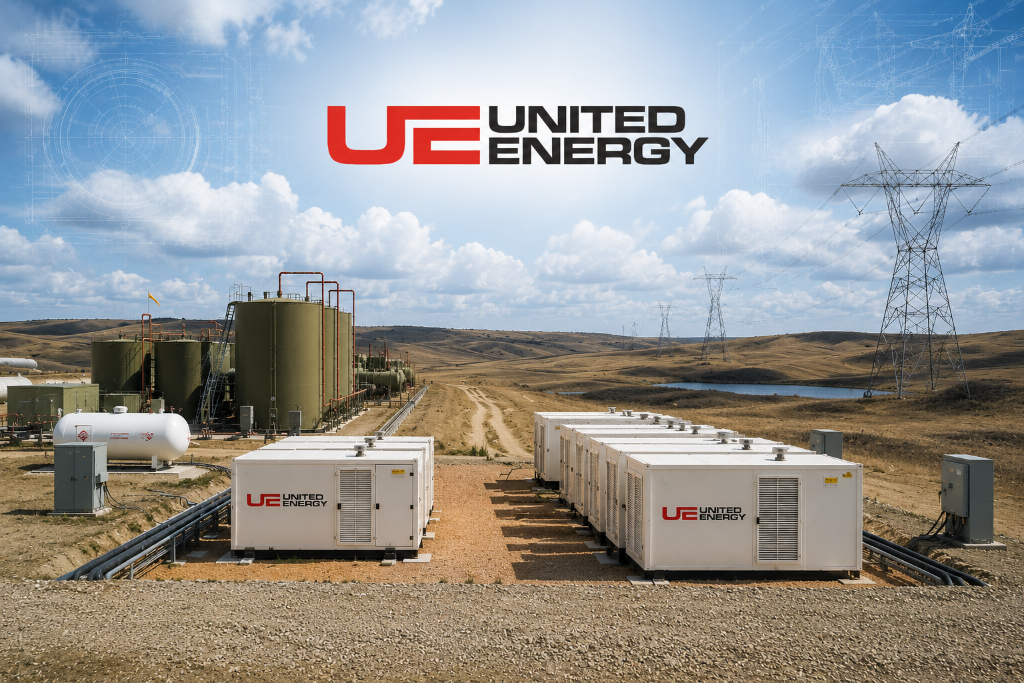
Oil and gas production facilities, mining operations, and remote manufacturing plants in locations without pipeline or grid access represent the clearest use case for end-to-end fulfillment. There is no alternative supply path — energy supply must be completely self-contained. Oil and gas operations served by integrated energy systems demonstrate the operational advantage of the model.
Off-Grid Data Center Campuses
Large data center campuses in locations with grid constraints benefit from end-to-end energy supply that is completely independent of utility grid capacity. LNG-to-power systems managed by a single accountable operator provide the reliability tier these facilities require.
Industrial Facilities with Critical Processes
Manufacturing plants, chemical facilities, and processing operations where supply interruption causes production loss, safety risk, or contractual penalties require energy supply reliability that fragmented supply chains cannot consistently provide.
Evaluating End-to-End Energy Fulfillment Providers
Not every company that describes itself as an end-to-end energy provider actually controls every element of the supply chain. Key questions:
- Do you own or operate the liquefaction facility, or broker LNG from a third party?
- Do you own or manage the delivery fleet, or use spot carriers?
- Do you operate the on-site equipment, or hand off to the customer after installation?
- Who is accountable when supply is disrupted?
- What emergency response capability do you maintain?
Key Takeaways
- Fragmented energy supply chains distribute accountability without ensuring total system reliability
- End-to-end fulfillment places a single operator in charge of and accountable for the complete chain
- Single-operator models change incentives to optimize total system performance rather than segment metrics
- Remote operations, off-grid data centers, and critical industrial processes benefit most from integrated fulfillment
- Evaluating providers requires confirming which elements they actually own and operate vs. broker
What is Energy Fulfillment™?
Energy Fulfillment™ is United Energy Corporation's proprietary model for delivering complete energy supply solutions — integrating LNG production, cryogenic logistics, on-site storage, regasification, and power generation under single-operator accountability. The model eliminates the coordination failures inherent in fragmented energy supply chains.
What is included in a full-service LNG supply contract?
A comprehensive LNG supply arrangement can include gas commodity supply, liquefaction, transportation by cryogenic truck, storage tank provision and maintenance, regasification equipment, gas distribution to end-use equipment, ongoing monitoring, and emergency response. The scope depends on the customer's existing infrastructure and preferences.
How does end-to-end energy fulfillment handle supply disruptions?
Integrated operators can respond more rapidly to supply disruptions because they have complete visibility and authority across the supply chain. Contingency responses — redirecting alternative supply, dispatching emergency equipment, or adjusting logistics — can be coordinated without interdependency delays between separate vendors.
Is end-to-end energy management more expensive than managing supply chain components separately?
Managed services typically carry a premium over direct component procurement, but the total cost comparison must include the cost of supply interruptions, coordination overhead, and the management burden of administering multiple vendor relationships. For many industrial operators, the reliability premium of integrated supply is well justified by operational risk reduction.
Experience End-to-End Energy Fulfillment™
United Energy Corporation delivers complete energy supply chains for industrial and remote operations. Contact us to discuss your requirements.