
What Is Distributed Energy?
Distributed energy refers to power generation systems located close to the point of consumption rather than at large centralized plants. This guide explains the fundamentals of distributed energy.
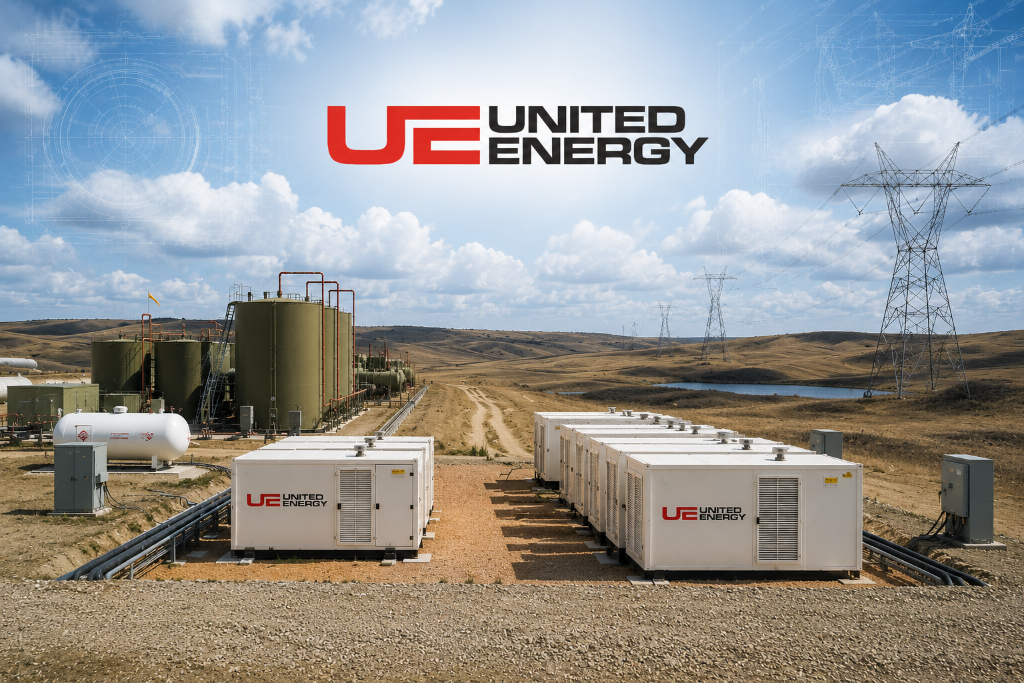
Defining Distributed Energy
Distributed energy — also called distributed generation (DG) or distributed energy resources (DER) — refers to power generation, storage, or conversion systems that are located at or near the point of electricity consumption, rather than at large, centralized power plants transmitting electricity over long distances.
The distinction is geographic and architectural. Centralized power generation — the dominant model for most of the 20th century — concentrated generation capacity at large plants, then transmitted electricity through high-voltage transmission lines and local distribution networks to end users. Distributed energy flips this model, placing smaller generation units directly at or near consumption sites.
Distributed energy resources encompass a broad range of technologies and fuel sources, including natural gas and LNG-fueled generators, reciprocating gas engines, microturbines, fuel cells, solar photovoltaic systems, and battery energy storage. At United Energy Corporation, distributed energy centers on natural gas and LNG-fueled generation systems that can operate independently of the utility grid.
How Distributed Energy Works
A distributed energy system typically consists of:
Generation Equipment
The core of any distributed energy system is the generation asset — a gas turbine, reciprocating engine, microturbine, or generator set that converts fuel to electricity. In LNG-based distributed energy systems, the fuel supply chain includes LNG delivery, on-site cryogenic storage, regasification equipment, and gas distribution to the generation asset.
Fuel Supply Infrastructure
For natural gas and LNG distributed generation, reliable fuel delivery is as important as the generation equipment itself. End-to-end energy fulfillment — where a single operator manages LNG sourcing, logistics, delivery, and on-site regasification — is the model that enables true operational reliability.
Control and Management Systems
Distributed energy systems require control systems to manage generation output, load following, fuel consumption, and — where applicable — grid interconnection. Advanced monitoring and control systems enable remote operation and diagnostics.
Interconnection or Isolation
Distributed generation systems can be designed to operate in grid-connected mode (selling excess power back to the utility grid), island mode (fully isolated from the grid), or dual-mode (capable of both). Applications requiring maximum energy independence, such as remote industrial sites, typically operate in island mode.
Types of Distributed Energy Applications
Remote and Off-Grid Power
Perhaps the most fundamental application: providing electricity to locations that have no practical grid connection. Oil field operations in remote basins, mining sites, agricultural processing facilities, and telecommunications infrastructure in rural areas all represent typical remote distributed energy applications.
Backup and Standby Power
Critical facilities — data centers, hospitals, emergency services, industrial processes that cannot tolerate power interruption — install distributed generation as backup power that automatically starts when grid power is lost.
Prime Power Supplementation
Industrial facilities may install distributed generation to supplement grid power during peak demand periods, reducing demand charges and exposure to grid price volatility.
Islanded Campus Energy
Large campuses — data center clusters, industrial parks, university campuses — increasingly install distributed generation capable of islanding the entire campus from the grid, providing energy independence and resilience.
Key Advantages of Distributed Energy
- Energy independence: Reduces or eliminates dependence on utility grid reliability
- Geographic reach: Serves locations the grid doesn't economically serve
- Resilience: Continued operation during grid outages or disruptions
- Scalability: Generation capacity can be scaled to match load growth
- Speed of deployment: Distributed systems can be deployed faster than permanent grid infrastructure
- Fuel flexibility: Can utilize natural gas, LNG, biogas, or other fuels depending on local availability
Distributed Energy in the Modern Energy Landscape
Distributed energy is not a niche concept — it is becoming central to how energy-intensive industries think about power supply. Data centers facing grid capacity constraints, oil and gas operations in remote basins, and industrial manufacturers requiring power quality guarantees are all driving increased adoption of distributed generation.
The critical success factor in distributed energy deployment is the fuel supply chain. A distributed generator is only as reliable as its fuel supply. This is why United Energy's Energy Fulfillment™ platform integrates every element — from LNG production through delivery and on-site regasification — under single-operator accountability.
Key Takeaways
- Distributed energy generates power at or near the consumption point, rather than at large centralized plants
- DG systems range from backup generators to complete islanded campus power systems
- LNG-fueled distributed generation enables reliable power in locations without grid or pipeline access
- End-to-end fuel supply chain management is essential to distributed generation reliability
- Distributed energy is growing as data centers, industrial facilities, and remote operations demand energy independence
What is the difference between distributed energy and the power grid?
The power grid is a centralized system — large power plants generate electricity that travels through transmission and distribution networks to reach consumers. Distributed energy places generation at or near the consumption point, reducing or eliminating dependence on this centralized infrastructure.
Can distributed energy operate independently of the grid?
Yes. Distributed generation systems can be designed for 'island mode' operation — fully independent of the utility grid. This is common for remote industrial operations, off-grid campuses, and critical facilities requiring complete energy independence.
What fuels are used in distributed energy systems?
Distributed generation systems can use natural gas (from pipeline or LNG), diesel, propane, biogas, hydrogen, and — for certain technologies — solar or wind. Natural gas and LNG are the most common fuels for industrial-scale distributed generation due to their energy density, availability, and emissions characteristics.
Is distributed energy more expensive than grid power?
The economics depend on the specific situation. For locations with reliable, low-cost grid power, distributed generation is typically more expensive per kWh. For remote locations without grid access, or for applications requiring high reliability guarantees that the grid cannot provide, distributed generation may be the only practical option or may be cost-competitive after accounting for the value of reliability.
How quickly can a distributed energy system be deployed?
Deployment timelines depend on equipment availability, site preparation requirements, and permitting. Modular distributed generation systems can be deployed in weeks to months — significantly faster than permanent grid infrastructure, which may take years to permit and construct.
What maintenance is required for distributed energy systems?
Maintenance requirements depend on the technology. Natural gas reciprocating engines typically require scheduled maintenance every 1,500–4,000 hours of operation. Gas turbines have longer service intervals. Comprehensive operations and maintenance programs, like those offered by United Energy, ensure continuous system reliability.
Power Your Operation with Distributed Energy
United Energy designs, deploys, and operates distributed LNG-to-power systems for industrial, remote, and critical infrastructure applications.