
Industrial Energy FAQ
Answers to the most common questions about industrial energy — fuel options, process heat, power reliability, LNG applications, and energy management for manufacturing and industrial facilities.
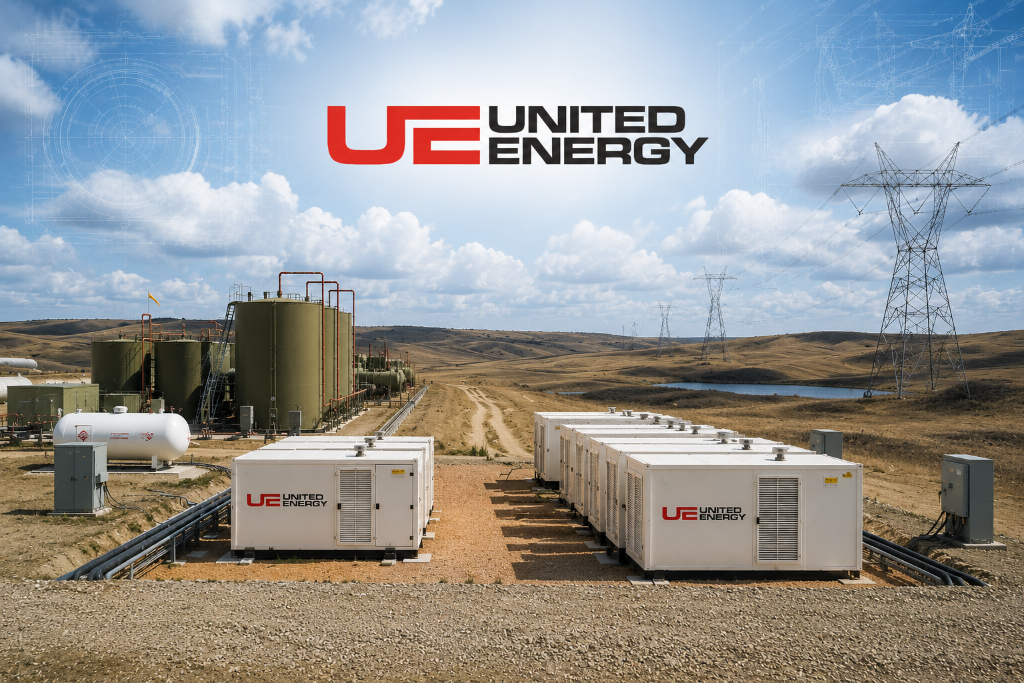
Frequently Asked Questions About Industrial Energy
Industrial energy management presents unique challenges — high consumption volumes, process-critical reliability requirements, and the need for both thermal and electrical energy in large quantities. These questions address the most common topics for industrial operators evaluating fuel options, energy infrastructure, and supply reliability.
See also: Industrial Energy Solutions Explained and 7 Benefits of LNG for Industrial Facilities.
What fuel options are available for industrial facilities outside the pipeline network?
Industrial facilities without pipeline access can use LNG (delivered by cryogenic truck), diesel, propane, or in some cases, compressed natural gas (CNG) delivered by tube trailer. LNG is increasingly the preferred alternative to diesel for high-consumption applications due to lower cost per BTU and reduced emissions.
How much LNG does a typical industrial facility consume?
Industrial LNG consumption varies enormously. A small process heating application might consume 1,000–5,000 gallons per month. A large industrial facility with multiple heating processes and power generation might consume 100,000–500,000 gallons per month or more.
Can LNG be used for industrial process heat?
Yes. LNG regasified on-site provides pipeline-quality natural gas that can fuel any industrial combustion process: boilers, furnaces, kilns, dryers, process heaters, and high-temperature manufacturing processes. LNG is chemically identical to pipeline gas and provides the same combustion performance.
What is the payback period for LNG infrastructure at an industrial facility?
Payback period depends on consumption volume, fuel cost differential between LNG and the alternative fuel (typically diesel), and infrastructure capital cost. For high-consumption facilities (50,000+ gallons/month diesel equivalent), payback periods of 1–3 years are common. Lower consumption volumes extend payback timelines.
How do industrial facilities ensure energy supply continuity?
Key continuity strategies include: maintaining adequate on-site fuel storage (typically 3–7 days of consumption), establishing supply contracts with reliable, financially stable providers, implementing automatic transfer switching for backup generation, and developing emergency response plans for supply disruption scenarios.
What industrial processes are most sensitive to power interruption?
Continuous process industries are most sensitive: chemical production, refining, steelmaking, aluminum smelting, glass manufacturing, and food processing operations that cannot be safely or economically interrupted. Even brief power interruptions can cause batch losses, equipment damage, or safety hazards in these processes.
Is natural gas suitable for high-temperature industrial furnaces?
Natural gas burns at temperatures exceeding 3,500°F in air and is the dominant fuel for industrial high-temperature processes worldwide. LNG-sourced gas provides identical performance to pipeline gas in furnaces, kilns, and high-temperature manufacturing equipment.
What is combined heat and power (CHP) and is it suitable for industrial facilities?
CHP (also called cogeneration) generates both electricity and useful heat from a single fuel input, achieving overall system efficiencies of 70–80% compared to 33–45% for centralized power generation. Industrial facilities with concurrent heat and power needs — particularly those consuming natural gas for process heat — are excellent CHP candidates.
How do I evaluate whether LNG makes sense for my industrial facility?
Key evaluation factors: current fuel type and consumption volume, cost differential between LNG and current fuel, access to reliable LNG logistics in your region, capital cost of required infrastructure, permitting requirements, and space available for storage equipment. United Energy can provide site-specific LNG feasibility assessments.
What safety training is required for industrial LNG operations?
Personnel working with LNG must receive training in cryogenic safety including: hazards of cryogenic liquids, proper PPE selection and use (cryogenic gloves, face shields, protective clothing), operating procedures for LNG transfer and equipment operation, emergency response procedures, and first aid for cryogenic burns. LNG suppliers typically provide initial training as part of equipment commissioning.
Industrial Energy Solutions from United Energy
United Energy provides complete LNG-based energy solutions for industrial facilities — from supply chain design through ongoing operations.