
Industrial LNG Solutions: A Practical Guide
Industrial facilities across manufacturing, processing, and heavy industry are adopting LNG as a flexible, cost-competitive energy source. This guide explains practical LNG solutions for industrial users.
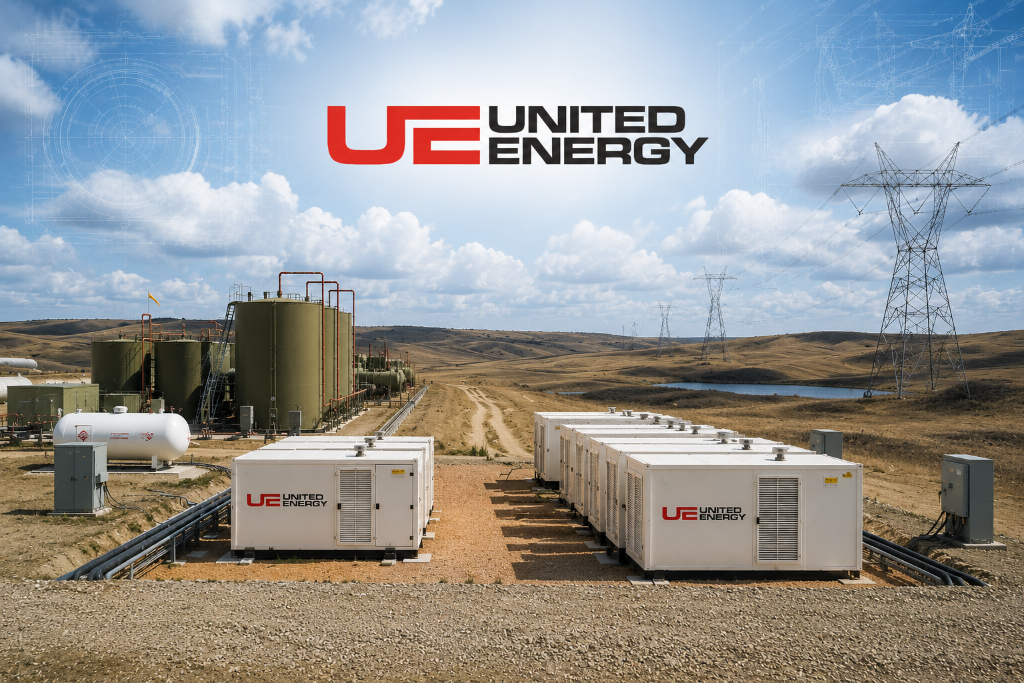
LNG Solutions for Industrial Applications
Industrial facilities consume energy at scale and face energy supply challenges that residential or commercial users rarely encounter. When pipeline natural gas is unavailable, constrained, or unreliable, industrial operators have historically defaulted to diesel or propane — both of which carry operational, cost, and emissions disadvantages that LNG can address effectively.
LNG delivered by truck, stored on-site in cryogenic tanks, and regasified for use in standard gas equipment provides industrial-scale natural gas supply independent of pipeline infrastructure. This guide explains practical LNG solutions for industrial facilities across key application categories.
Process Heat Applications
Many industrial processes require controlled high-temperature heat: drying, curing, firing, forging, melting, and countless other manufacturing operations depend on natural gas combustion in boilers, furnaces, kilns, and process heaters. For facilities in areas without pipeline access, LNG delivered by truck provides identical fuel for these applications.
LNG process heat installations typically include:
- Appropriately sized cryogenic storage tank
- Vaporization equipment sized for peak gas demand
- Pressure regulation and distribution piping
- Integration with existing combustion equipment (which requires no modification when gas quality matches specifications)
Distributed Power Generation
Industrial facilities requiring electrical power at locations without grid access can use LNG-fueled natural gas generators to provide continuous, reliable electricity. Distributed generation systems fueled by LNG are deployed across remote industrial operations, construction sites, and facilities awaiting grid connection.
Peak Shaving and Backup Supply
Industrial facilities on interruptible gas supply contracts or in areas with constrained pipeline capacity use LNG on-site storage for peak shaving: maintaining liquid inventory that supplements pipeline supply during periods when the pipeline cannot serve full demand. LNG storage provides the supply buffer that keeps industrial processes running when pipeline supply is curtailed.
Temporary Industrial Power
Construction projects, facility maintenance windows, and temporary industrial operations can use mobile LNG supply and generation systems that are deployed quickly without permanent infrastructure commitment. Mobile regasification and portable generator packages allow temporary industrial power from LNG sources within days of mobilization.
Feedstock Applications
Some industrial processes use natural gas as a chemical feedstock rather than a fuel: hydrogen production, ammonia synthesis, and methanol production are examples where LNG-sourced gas can serve as the process feedstock when pipeline supply is unavailable.
Selecting the Right LNG Solution
Industrial LNG solution design involves:
- Consumption analysis: Profiling average and peak demand for heat and/or power
- Storage sizing: Determining tank capacity for target supply security buffer
- Regasification sizing: Matching vaporization capacity to peak gas demand
- Logistics planning: Confirming delivery route access and supply chain design
- Permitting: NFPA 59A compliance, local fire code, zoning
United Energy's Energy Fulfillment™ team provides complete solution design services for industrial LNG users.
Key Takeaways
- LNG provides pipeline-quality natural gas for industrial process heat, power generation, peak shaving, and temporary power applications
- Existing industrial combustion equipment requires no modification to use LNG-sourced gas
- LNG solution design involves consumption analysis, storage sizing, regasification capacity, and logistics planning
- Industrial LNG installations must comply with NFPA 59A and applicable local codes
- Integrated supply chain management from a single provider simplifies ongoing industrial LNG operations
Can LNG be used in existing propane or diesel equipment?
Propane equipment can often be converted to natural gas with appropriate gas valve and orifice changes, since both fuels use similar distribution systems. Diesel equipment (engines, generators) typically cannot run on natural gas without significant engine modification or replacement. Process heating equipment designed for natural gas or propane is generally compatible with LNG-sourced gas.
What industrial sectors use LNG most commonly?
Common industrial LNG users include: construction and aggregates operations, remote oil and gas facilities, mining operations, food processing, glass and ceramics manufacturing, asphalt and concrete production, and any industrial facility in areas with constrained pipeline capacity.
How is industrial LNG supply priced?
Industrial LNG is typically priced based on a Henry Hub-linked commodity component plus logistics and service costs. Pricing may be structured as fixed-price, index-linked, or cost-plus depending on customer preference and market conditions. Volume commitment and contract term typically affect pricing.
Is there a minimum purchase volume for industrial LNG supply?
Minimum volumes vary by supplier and logistics economics. Generally, operations consuming less than 10,000–20,000 gallons per month may find LNG logistics economics challenging unless they are located close to an LNG source. United Energy works with customers to design supply arrangements appropriate to their consumption profile.
What safety training do my employees need for industrial LNG operations?
Personnel working with on-site LNG equipment should receive training in: cryogenic hazard awareness, proper PPE use (cryogenic gloves, face shields), LNG equipment operating procedures, emergency response procedures including gas leak response, and first aid for cryogenic burns. LNG suppliers typically provide initial training as part of system commissioning.
Industrial LNG Solutions from United Energy
United Energy provides complete industrial LNG solutions: supply chain design, equipment, delivery, and ongoing operations management.