
LNG Logistics FAQ
Answers to common questions about LNG logistics — transportation, delivery scheduling, storage management, regulatory requirements, and supply chain reliability.
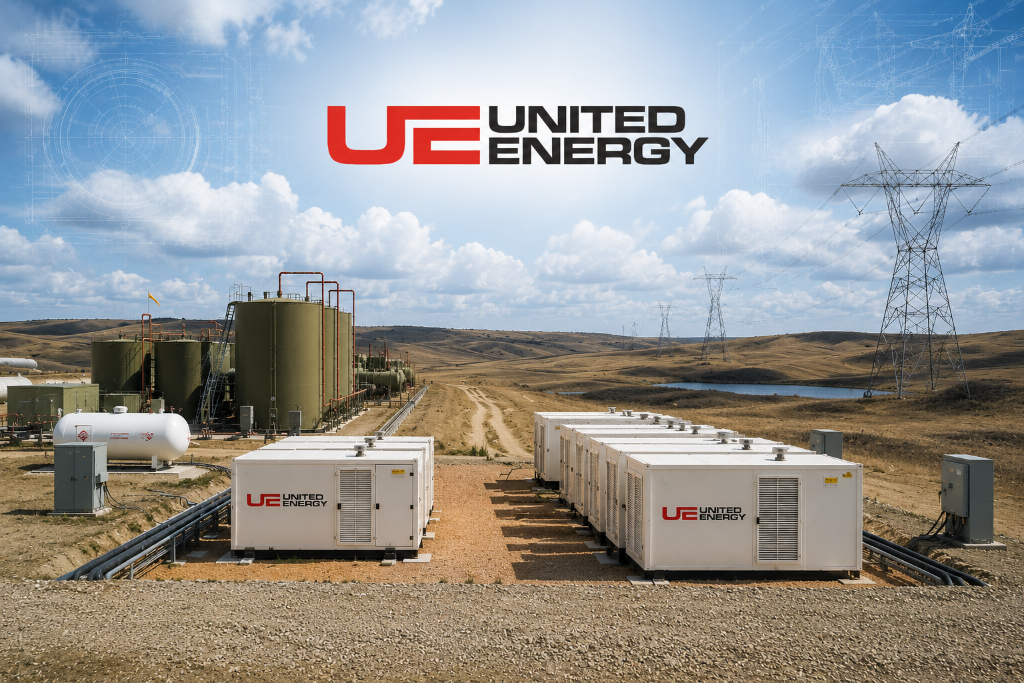
Frequently Asked Questions About LNG Logistics
LNG logistics requires specialized knowledge and equipment. These questions address the practical aspects of LNG delivery, scheduling, storage management, and the regulatory environment.
For a comprehensive overview, see: LNG Transportation and Logistics Explained.
What equipment is required to receive LNG deliveries?
Receiving LNG deliveries requires: a cryogenic storage tank designed for LNG service, a fill connection with appropriate couplings compatible with the delivery truck, a pressure equalization vent system, and safety equipment including gas detection. Most LNG suppliers can advise on and assist with receiving equipment setup.
How is LNG transferred from the delivery truck to the storage tank?
LNG transfer uses pressure differential or pump systems. The most common method is pressure-differential transfer: the truck's tank pressure is set higher than the customer tank, allowing LNG to flow through an insulated hose. Transfer operations typically take 30–90 minutes and require properly trained personnel following established safety procedures.
How long does it take to schedule an LNG delivery?
Standard delivery lead times range from 24 to 72 hours for most logistics providers. Emergency deliveries may be available on shorter notice depending on fleet availability. Establishing regular delivery schedules through tank telemetry monitoring reduces the customer's scheduling burden.
What road infrastructure is required for LNG delivery trucks?
LNG tanker trucks have the same road requirements as other heavy tractor-trailer combinations: adequate pavement weight ratings, sufficient turning radius, and clearance for large vehicles. Specialized access roads may need to be prepared for remote sites. Low-clearance bridges and weight-restricted roads may require route planning.
What is boil-off gas and how is it managed?
Boil-off gas (BOG) is the small percentage of LNG that vaporizes over time in storage tanks due to heat ingress through the tank walls. BOG must be vented or used (rather than allowed to pressure-build in the tank). Well-designed systems route BOG to end-use equipment or vent safely. BOG rates in modern insulated tanks are typically 0.1–0.3% of tank volume per day.
Can LNG tanks be moved once installed?
Permanent LNG storage tanks installed on concrete pads are generally not designed for relocation. Skid-mounted portable tanks can be relocated but require proper procedures, inspection, and potentially re-certification. ISO containers are designed for repeated transport and relocation.
What are the regulatory requirements for LNG storage?
US LNG storage is governed by NFPA 59A (Standard for the Production, Storage, and Handling of Liquefied Natural Gas). Local fire codes, zoning, and state environmental regulations also apply. Exclusion zones (setback distances from property lines, buildings, and ignition sources) are specified in NFPA 59A based on storage capacity.
What happens if LNG delivery is delayed and the tank runs low?
Operations should never run tanks to empty — minimum inventory levels should trigger emergency delivery orders. Well-designed supply systems include: tank telemetry for real-time inventory monitoring, minimum inventory alarms, pre-agreed emergency delivery protocols, and alternative supply arrangements. Emergency deliveries typically have premium pricing.
How are LNG deliveries priced?
LNG pricing includes the natural gas commodity component (usually Henry Hub-referenced), liquefaction costs, transportation costs (fuel, driver time, truck costs), and supplier margin. Prices are typically quoted per gallon of LNG delivered or per MMBtu. Volume commitments and contract term can improve pricing.
What driver qualifications are required for LNG delivery?
LNG delivery drivers must hold a Commercial Driver's License (CDL) with hazardous materials (HazMat) endorsement. Training specific to cryogenic liquids handling, emergency procedures, and carrier safety management systems is required. DOT regulations govern driver qualification, hours of service, and vehicle inspection requirements.
Reliable LNG Logistics from United Energy
United Energy manages integrated LNG logistics — from supply chain design to daily delivery operations — for industrial and remote energy users.