
LNG Storage Systems Overview
LNG storage systems are the buffer that decouples supply chain delivery schedules from real-time consumption demand. This overview covers storage types, sizing principles, and operational considerations.
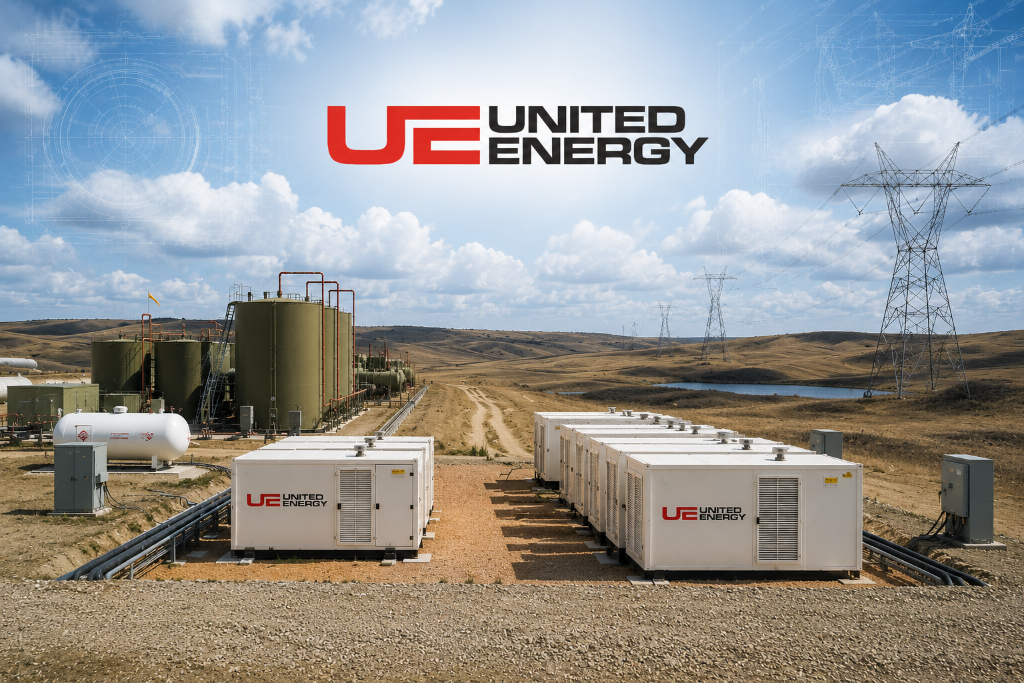
The Role of Storage in the LNG Supply Chain
LNG storage is the critical buffer between delivery schedules and continuous consumption demand. Without adequate storage, any gap between scheduled delivery and actual consumption — caused by delivery delays, demand spikes, or supply disruptions — immediately threatens supply continuity. With properly sized, well-maintained storage, industrial users can maintain operations through delivery variability and even extended supply disruptions.
Understanding LNG storage systems — their types, sizing principles, operational requirements, and failure modes — is essential for any industrial operator planning an LNG supply system.
Types of LNG Storage Vessels
Flat-Bottom Cryogenic Tanks
Flat-bottom LNG tanks are permanent above-ground storage vessels constructed at fixed locations on concrete foundations. They range from small industrial units (5,000–50,000 gallon capacity) to large utility-scale tanks holding millions of gallons. These tanks are fabricated from materials suitable for cryogenic service — typically 9% nickel steel or aluminum for the inner container — with perlite or vacuum insulation in the annular space.
Vacuum-Jacketed Vessels (Vertical Cryogenic Tanks)
Vertical vacuum-jacketed cryogenic vessels are the most common storage solution for small-scale industrial LNG users. These shop-fabricated vessels are available in standardized sizes from approximately 1,500 to 120,000 gallons, are factory-tested, and can be installed on prepared concrete pads within days of delivery. Vacuum jacketing provides superior insulation performance with minimal boil-off.
Portable and Skid-Mounted Tanks
Smaller portable cryogenic vessels (500–15,000 gallons) are mounted on skids or trailers for applications requiring mobility or temporary service. These are common for construction power plants, emergency gas supply, temporary industrial operations, and remote sites where permanent infrastructure is not justified.
ISO Containers
LNG ISO containers are standardized (20- or 40-foot) cryogenic vessels that can be transported by truck, rail, or ship using standard container handling equipment. ISO containers typically hold 4,500–12,000 gallons. They are useful for intermodal logistics, temporary supplemental storage, and remote sites accessible by container-handling vehicles.
Sizing LNG Storage
Storage sizing involves balancing capital cost against supply security risk. Key parameters:
- Average daily consumption: The baseline demand the storage must support
- Peak consumption rate: Maximum hourly/daily demand the regasification system and storage must serve
- Delivery frequency: How often deliveries can realistically be scheduled to the site
- Maximum acceptable delivery delay: How long operations can sustain if a delivery is late
- Target minimum inventory level: The minimum amount maintained as emergency buffer
For most critical industrial applications, storage sized at 7–14 days of average consumption provides adequate security. Remote sites or those subject to weather-related delivery disruptions may require more.
Boil-Off Gas Management
All LNG storage systems experience boil-off — a small percentage of the stored LNG that vaporizes over time as heat penetrates through the tank insulation. Modern vacuum-insulated tanks have boil-off rates of 0.1–0.3% of tank volume per day. Boil-off gas must be managed: either vented safely, recovered to the gas distribution system, or re-liquefied. For facilities with continuous gas demand, routing boil-off to end-use equipment is the most economical approach.
NFPA 59A Setback Requirements
LNG storage in the United States is governed by NFPA 59A. The standard specifies minimum separation distances (setbacks) between LNG storage tanks and property lines, buildings, ignition sources, and other tanks based on storage capacity. These setbacks must be confirmed during facility design, as they can significantly affect site layout and available storage capacity.
Monitoring and Control Systems
LNG storage systems require monitoring of: tank liquid level (for inventory management), tank pressure (for boil-off management), and temperature (for abnormal heat ingress detection). Modern systems incorporate remote telemetry that allows the LNG supplier to monitor customer inventory in real time and schedule proactive deliveries before storage falls below minimum levels.
Key Takeaways
- LNG storage types range from permanent flat-bottom tanks to portable ISO containers depending on application
- Sizing should target 7–14 days of consumption for critical applications to buffer delivery variability
- Boil-off gas management is a standard operational requirement that must be designed into the storage system
- NFPA 59A setback requirements must be confirmed during facility design
- Remote telemetry enabling proactive delivery scheduling is a best practice for continuous LNG users
What material are LNG storage tanks made from?
LNG storage tanks use cryogenic-grade materials for the inner vessel — typically 9% nickel steel, stainless steel, or aluminum alloys. These materials maintain ductility and structural integrity at -260°F temperatures, unlike standard carbon steel which becomes brittle at cryogenic temperatures.
How long does it take to install an LNG storage tank?
Shop-fabricated vertical cryogenic vessels can be installed on a prepared concrete pad within days to weeks of delivery. Larger field-erected flat-bottom tanks may require 3–12 months for construction. Site preparation (foundation, utility connections, safety systems) typically adds several weeks to total installation time.
Can LNG storage tanks be buried underground?
Underground LNG storage is uncommon for industrial applications and is not typically permitted under standard installations. Most small-scale industrial LNG storage is above-ground per NFPA 59A requirements. Some utility-scale peak shaving facilities use below-ground or in-ground tank designs for specific site conditions.
What happens if an LNG storage tank is overpressured?
LNG storage tanks are equipped with pressure relief devices that open at the tank's maximum allowable working pressure, safely venting gas to prevent overpressure. Safety relief valves are a standard component of all LNG storage systems and are required by NFPA 59A.
How do I monitor my LNG tank inventory?
LNG tank inventory is typically monitored using level gauges — either magnetic level gauges, differential pressure level instruments, or radar level sensors. Modern systems include remote telemetry that transmits tank level data to the LNG supplier for proactive delivery scheduling.
LNG Storage Solutions for Industrial Users
United Energy can assess your storage requirements, recommend appropriate equipment, and manage ongoing supply for your operation.