
10 Reasons Data Centers Need Distributed Energy
As data centers grow larger and more critical, reliance on the utility grid alone is no longer sufficient. Here are 10 reasons why distributed energy is becoming essential for data center operations.
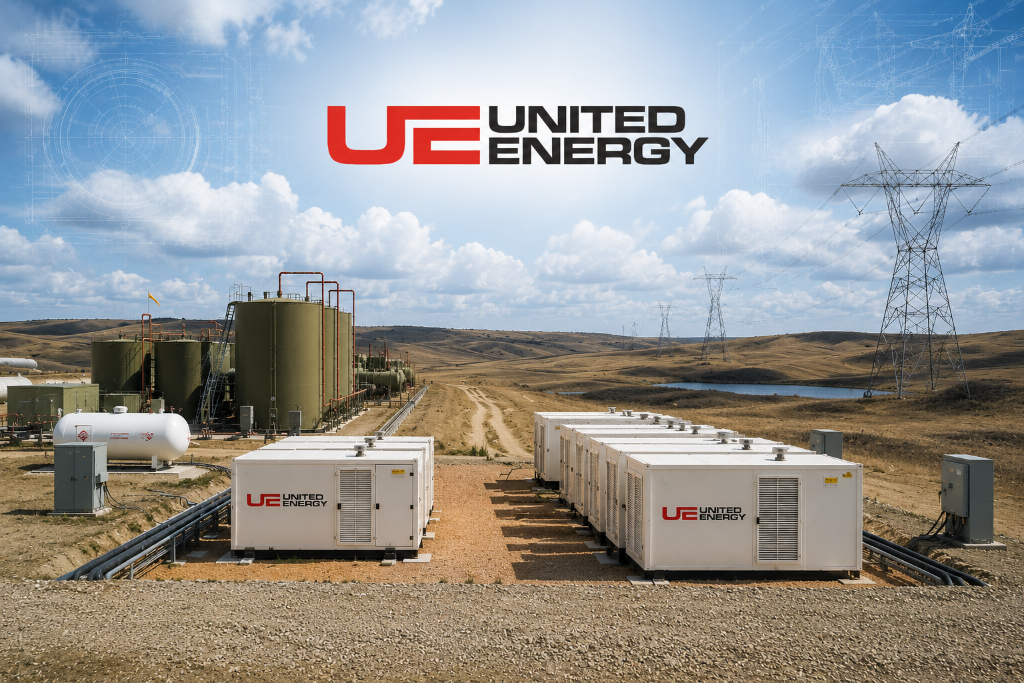
The Distributed Energy Imperative for Data Centers
Data centers have historically relied on the utility grid as their primary power source, backed by UPS systems and diesel generators for emergency power. This model served the industry adequately when data centers were smaller, AI workloads didn't exist, and grid reliability was considered sufficient for most applications.
That model is under increasing strain. Data center power demand is growing rapidly, grid capacity in many markets is constrained, and the consequences of power failure have become catastrophically expensive. Distributed energy — on-site and near-site generation independent of the utility grid — is increasingly not optional for mission-critical data operations.
Here are 10 specific reasons why data center operators are investing in distributed energy systems.
Reason 1: Grid Capacity Constraints Are Getting Worse
Utilities in major data center markets — Northern Virginia, Phoenix, Dallas, Atlanta, Chicago — are struggling to accommodate the explosive growth in data center power demand. New large-scale data center projects are facing grid interconnection queue delays measured in years. Distributed generation allows operators to bypass grid capacity constraints by generating power on-site.
Reason 2: Downtime Costs Are Astronomical
A major data center outage costs tens of thousands to millions of dollars per hour in direct costs alone — before accounting for contract penalties, customer churn, and reputational damage. Distributed energy provides an independent power source that continues operating regardless of grid conditions.
Reason 3: AI Workloads Demand Uninterrupted Power
AI model training jobs can run for days or weeks continuously. An interruption that forces a job restart from the beginning can waste enormous amounts of compute time and electricity. The zero-interruption requirement of AI workloads makes distributed generation or multi-source power architecture essentially mandatory for serious AI infrastructure.
Reason 4: Diesel Generators Have Runtime Limitations
Traditional diesel backup generators have practical runtime limitations based on on-site diesel storage. Local fire codes limit diesel storage quantities. LNG-fueled distributed generation systems can maintain runtime through regular truck delivery, providing effectively unlimited runtime compared to fixed diesel storage.
Reason 5: Grid Power Quality Is Insufficient for Some Applications
Utility grid power quality varies. Voltage sags, frequency deviations, and brief interruptions that the grid routinely experiences are unacceptable for sensitive computing equipment. While UPS systems provide conditioning, having distributed generation as an additional power quality resource provides additional protection layers.
Reason 6: Geographic Expansion Requires Energy Independence
Data center operators expanding into secondary markets, edge deployments, and international locations often find grid infrastructure insufficient for their power density and reliability requirements. Distributed energy enables data center deployment in locations the grid cannot adequately serve.
Reason 7: Fuel Diversity Reduces Single-Point Failure Risk
Operating with both grid power and on-site distributed generation based on a different fuel source — natural gas, LNG — eliminates single-point-of-failure risk from any single energy supply chain.
Reason 8: ESG and Carbon Reporting Requirements
Data center operators face increasing ESG scrutiny regarding energy source and emissions. Natural gas distributed generation produces significantly lower emissions than diesel, and LNG-fueled systems provide a documented, reportable fuel source with predictable emissions characteristics.
Reason 9: Longer Power Paths Increase Failure Probability
Every mile of transmission and distribution line between a power plant and a data center is a potential failure point. Distributed generation located at or adjacent to the data center eliminates most of this failure risk by shortening the power delivery path to near zero.
Reason 10: Energy Cost Control and Predictability
Grid electricity prices are subject to utility rate changes, demand charge structures, and wholesale market volatility. On-site generation provides more predictable energy costs, potential demand charge reduction, and in some markets, the ability to generate power at below-retail cost.
Learn about United Energy's data center energy solutions and how LNG-fueled distributed generation addresses these challenges.
Key Takeaways
- Grid capacity constraints in major markets are creating years-long interconnection delays for new data centers
- AI workloads require uninterrupted continuous power that traditional backup systems cannot reliably guarantee
- LNG-fueled distributed generation eliminates diesel runtime limitations while providing lower emissions
- Fuel diversity, geographic reach, and cost control are additional drivers of distributed energy adoption
- Data centers that depend entirely on the utility grid are accepting operational and financial risk
What is the typical power consumption of a hyperscale data center?
Hyperscale data centers typically consume 100–500 MW or more. New AI-optimized facilities are being designed at 500 MW to 1 GW+ scale — approaching the output of small utility power plants. This scale makes them among the largest individual electricity consumers in their grid regions.
Can distributed energy fully replace grid power for a data center?
Yes, for data centers willing to make the necessary infrastructure investment. Island-mode operation — fully independent of the utility grid — is achievable with sufficient on-site generation capacity, fuel storage, and fuel supply chain. Many large data center operators maintain grid connection as a backup while operating primarily on distributed generation.
What is the role of battery storage in data center distributed energy?
Battery energy storage systems (BESS) serve as a bridge between generation sources and load — providing instantaneous response to grid outages (faster than generator start times), load leveling, and in some cases energy arbitrage. BESS is typically used in combination with generators rather than as a standalone solution for extended runtime needs.
How does LNG fuel supply work for data center generators?
LNG is delivered by cryogenic truck to on-site storage tanks, then regasified and distributed to natural gas generators as needed. The supply chain operates similarly to diesel delivery but requires cryogenic handling equipment. Properly designed LNG supply chains provide fuel reliability comparable to diesel for data center applications.
What is the minimum facility size that justifies distributed energy investment?
For data centers, distributed generation investment is typically justified at 5 MW and above. Below this scale, the capital cost of generation equipment may not provide sufficient return. At 10+ MW, distributed generation for prime power or backup typically shows compelling economics relative to grid-only alternatives.
Distributed Energy for Data Center Infrastructure
United Energy provides LNG fuel supply and distributed power solutions for data centers requiring energy independence from grid constraints.