
LNG for Data Center Power Generation
LNG is increasingly being used to fuel natural gas generators for data center backup and prime power applications, addressing limitations of diesel backup and grid supply constraints.
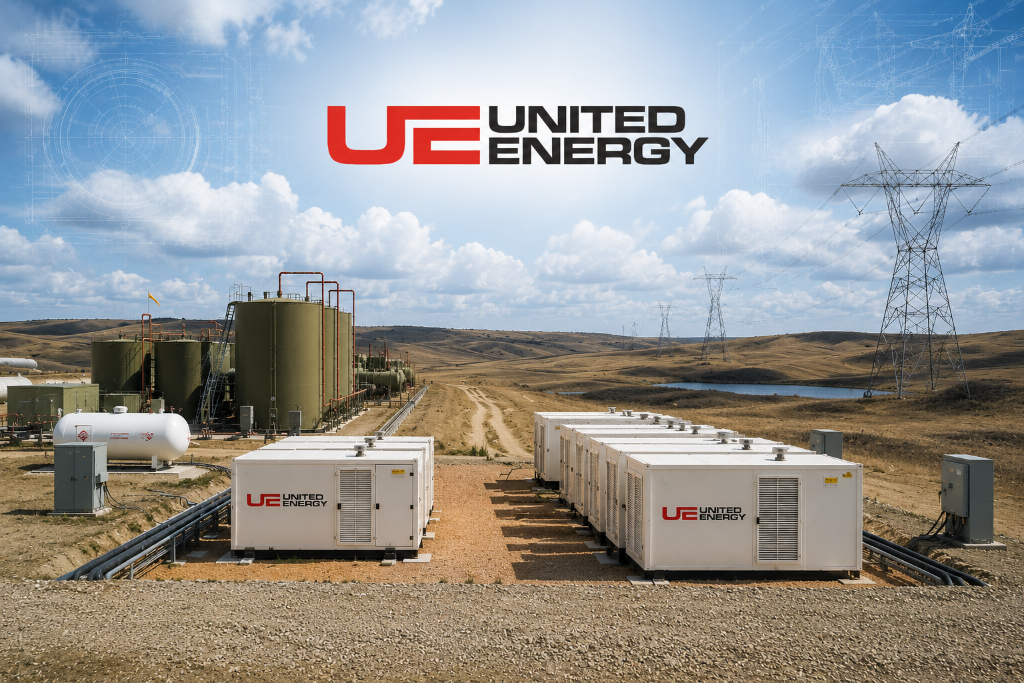
LNG as a Data Center Power Source
The data center industry has relied on diesel generators as backup power for 40+ years. As data centers grow larger, face stricter emissions requirements, and encounter grid supply constraints that make distributed generation a primary — not just backup — power source, LNG-fueled natural gas generators are emerging as a compelling alternative and supplement to diesel.
LNG provides data center operators with extended runtime capability beyond diesel storage limitations, lower emissions performance, and fuel supply that can support continuous prime power generation in addition to emergency backup. For data centers in grid-constrained locations, LNG-to-power systems represent a path to energy independence that diesel alone cannot provide.
How LNG Powers Data Centers
LNG-based data center power follows a straightforward chain:
- LNG delivered by cryogenic truck to on-site storage tanks
- LNG stored in vacuum-insulated cryogenic tanks sized for target runtime
- LNG passed through regasification equipment that converts it to natural gas
- Natural gas distributed to natural gas generator sets or gas turbines
- Generators produce electricity for the data center loads
United Energy's Energy Fulfillment™ platform manages every step of this chain from LNG production through on-site gas delivery.
Backup Power Application
For data centers using LNG as backup power (supplementing primary grid supply), the LNG system operates in standby mode — generators start automatically when grid power fails, with LNG storage providing the fuel supply for extended runtime. Key advantages over diesel backup include extended runtime, lower emissions, and fuel stability (no degradation in storage).
Prime Power Application
For data centers in grid-constrained locations — where utility interconnection is delayed by years or capacity is insufficient — LNG-fueled generators can serve as the primary power source. This prime power application requires higher generation reliability than backup service and demands a more robust supply chain with larger on-site storage and more frequent deliveries.
LNG Storage Sizing for Data Centers
LNG storage for data center applications is sized based on: peak generator load, desired runtime on stored fuel, and acceptable delivery frequency. For backup-only applications, 48–96 hours of runtime storage is common. For prime power applications, storage of 7–14 days or more may be appropriate to buffer logistics variability.
Grid Interconnection as a Backup
In many LNG-for-data-center deployments, the LNG generation system is the primary power source and the utility grid (when available) serves as a backup or supplemental supply. This inverts the traditional model, with LNG generation providing the reliability guarantee and the grid providing a cost reduction when available.
Key Takeaways
- LNG enables extended runtime data center backup power beyond diesel storage limitations
- In grid-constrained locations, LNG-to-power provides a path to primary energy supply independent of utility interconnection timelines
- Storage sizing for data centers should target 48–96 hours for backup use and 7–14+ days for prime power applications
- LNG fuel does not degrade in storage, eliminating diesel's fuel quality management requirements
- Natural gas combustion produces 25–30% less CO2 and near-zero particulates versus diesel, supporting ESG reporting requirements
What size LNG storage is required for a 100 MW data center?
A 100 MW data center running continuously on natural gas generators would consume approximately 2–3 MMBtu per MWh, or 200–300 MMBtu per hour (roughly 2,400–3,600 gallons of LNG per hour). For 48-hour backup storage, this requires 115,000–170,000 gallons of LNG storage capacity. Actual sizing depends on generator efficiency and load factor.
Can LNG generators provide the same power quality as the utility grid?
Yes. Natural gas generators produce electrical power at the same voltage and frequency standards as the utility grid. Generator output quality may actually be superior to grid power in some respects — not subject to grid-wide disturbances — when the generators are operating in island mode.
What is the startup time for LNG-fueled backup generators?
Natural gas generator sets in standby service start and reach load-bearing capacity within 10–30 seconds. This is comparable to diesel standby generators. UPS battery systems bridge the gap during generator startup, maintaining continuous power to IT equipment throughout the transition.
How frequently are LNG deliveries needed for a large data center?
Delivery frequency depends on consumption (prime power vs. backup only), storage capacity, and the logistics capabilities of the LNG provider. For prime power applications at large data centers, multiple deliveries per week may be required. For backup-only applications with large storage, weekly or bi-weekly deliveries may be sufficient.
Do natural gas generators for data centers require special permitting?
Natural gas generator sets require air quality permits in most jurisdictions, typically specifying emissions standards, operating hour limits, and reporting requirements. Specific requirements vary by state and local jurisdiction. LNG storage requires NFPA 59A compliance and local fire authority review. Early permitting engagement is recommended for large installations.
LNG Power for Data Centers
United Energy provides integrated LNG fuel supply and distributed generation support for data center backup and prime power applications.