
11 Benefits of End-to-End Energy Management
End-to-end energy management — where a single operator controls the complete supply chain from fuel production through on-site delivery — delivers benefits that fragmented supply arrangements cannot match.
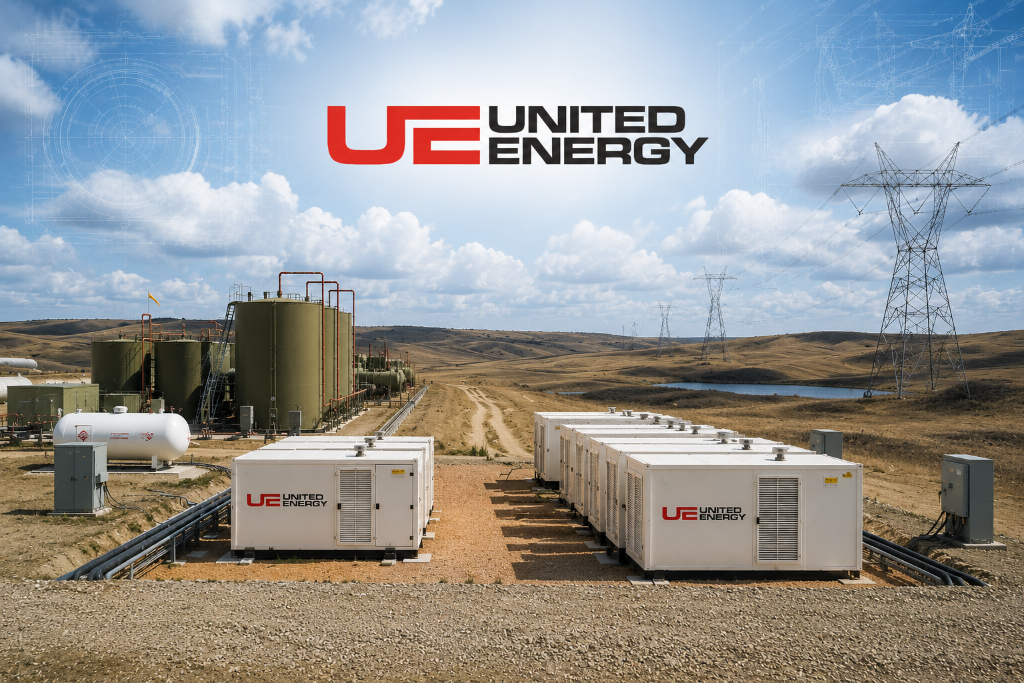
Why Integrated Energy Management Matters
Industrial energy management is increasingly complex: multiple fuel types, sophisticated generation and conversion equipment, demanding reliability requirements, and supply chains that span hundreds of miles. Managing this complexity through fragmented vendor relationships — a separate supplier for each component — creates coordination overhead, accountability gaps, and failure modes that integrated management avoids.
End-to-end energy management — exemplified by United Energy's Energy Fulfillment™ platform — is a different model: one operator accountable for the entire chain. Here are 11 specific benefits this model delivers.
Benefit 1: Single Point of Accountability
When supply fails in a fragmented system, finger-pointing between vendors delays resolution. With a single integrated operator, there is one number to call, one team that owns every element of the supply chain, and one organization whose business depends on restoring supply quickly.
Benefit 2: Optimized Supply Chain Design
An operator who manages every link in the supply chain can optimize the entire system rather than optimizing individual segments. Storage sizing, delivery scheduling, regasification capacity, and generation output can all be calibrated as an integrated system rather than as separately optimized components.
Benefit 3: Proactive Supply Management
Integrated operators with tank telemetry and consumption data can forecast supply needs, schedule deliveries proactively, and identify developing supply risks before they become disruptions. This proactive management model is only possible when the operator has visibility across the complete chain.
Benefit 4: Reduced Administrative Burden
Managing relationships with multiple specialized vendors — gas procurement, logistics, storage equipment, regasification, generation maintenance — creates significant administrative overhead: multiple contracts, invoices, performance monitoring systems, and coordination requirements. A single energy management relationship collapses this overhead substantially.
Benefit 5: Faster Emergency Response
When supply disruptions occur, integrated operators can coordinate response across all chain elements simultaneously. A fragmented arrangement requires each vendor to be notified, consulted, and coordinated separately — multiplying response time by the number of vendors involved.
Benefit 6: Consistent Performance Standards
An integrated operator applies consistent performance standards, safety protocols, and operational procedures across every element of the supply chain. Fragmented arrangements may have inconsistent standards at different chain links, creating gaps where failures are more likely.
Benefit 7: Technology Integration
Integrated operators can deploy unified monitoring, control, and data systems that span the entire supply chain. This technology integration provides visibility and analytical capability that is impossible when data is siloed across multiple independent vendors.
Benefit 8: Scalability Without Coordination Complexity
When operations grow and energy requirements increase, expanding within an integrated energy management relationship requires one conversation and one contract negotiation. Expanding a fragmented multi-vendor arrangement requires renegotiating with every supplier simultaneously.
Benefit 9: Financial Efficiency
Integrated operators can leverage scale across their entire customer base for procurement, logistics optimization, and equipment utilization. These scale benefits are partially passed to customers through better pricing and service quality than customers could achieve sourcing each component independently.
Benefit 10: Regulatory and Compliance Support
Energy system compliance — NFPA 59A for LNG, EPA emissions requirements for generators, DOT logistics regulations — spans multiple regulatory frameworks. An integrated operator maintains expertise across all applicable regulations for the complete system, providing compliance support that reduces the customer's regulatory management burden.
Benefit 11: Long-Term Relationship Value
An integrated energy manager develops deep knowledge of a customer's operations, consumption patterns, and energy requirements over time. This accumulated knowledge enables increasingly proactive service: anticipating demand changes, recommending infrastructure optimizations, and identifying energy supply improvements that reduce cost or improve reliability over the long term.
Key Takeaways
- Single-point accountability eliminates the coordination failures and blame-shifting of fragmented supply arrangements
- System-level optimization, proactive management, and technology integration are only achievable with end-to-end visibility
- Administrative simplification, faster emergency response, and scalability are practical operational benefits
- Long-term relationship value from accumulated knowledge compounds over time
- Compliance expertise spanning all applicable regulations reduces customer regulatory burden
Does end-to-end energy management cost more than managing supply components separately?
Integrated management typically commands a service premium over direct component sourcing. However, the total cost comparison must include: supply disruption costs (which integrated management reduces), administrative overhead (which integration reduces), and the value of reliability improvements. For most high-consequence applications, the reliability premium of integrated supply is financially justified.
Can I transition from fragmented to integrated energy management?
Yes. Transitions from fragmented to integrated energy management are typically phased: starting with the highest-consequence supply chain elements and expanding integration over time as contracts permit. Experienced integrated providers can design transition plans that minimize disruption to ongoing operations.
What makes United Energy's Energy Fulfillment model different?
United Energy's Energy Fulfillment™ model integrates LNG production, cryogenic logistics, on-site storage, regasification, and power generation under single-operator accountability. This integration is designed specifically for the requirements of industrial, remote, and critical infrastructure energy users who cannot tolerate supply chain fragmentation.
Is end-to-end energy management applicable for small industrial facilities?
The benefits of integrated management scale with the complexity and criticality of the energy supply chain. For very small facilities with simple fuel needs, the integration premium may not be justified. For facilities consuming significant fuel volumes, operating in remote locations, or with high-consequence downtime exposure, integrated management is typically well-justified.
Experience Integrated Energy Fulfillment™
United Energy manages the complete energy supply chain for industrial and remote operations. One partner. Complete accountability.