
LNG Supply Chains Explained
An LNG supply chain connects natural gas production to end-use consumption through liquefaction, storage, logistics, and regasification. Understanding this chain is essential for industrial energy managers.
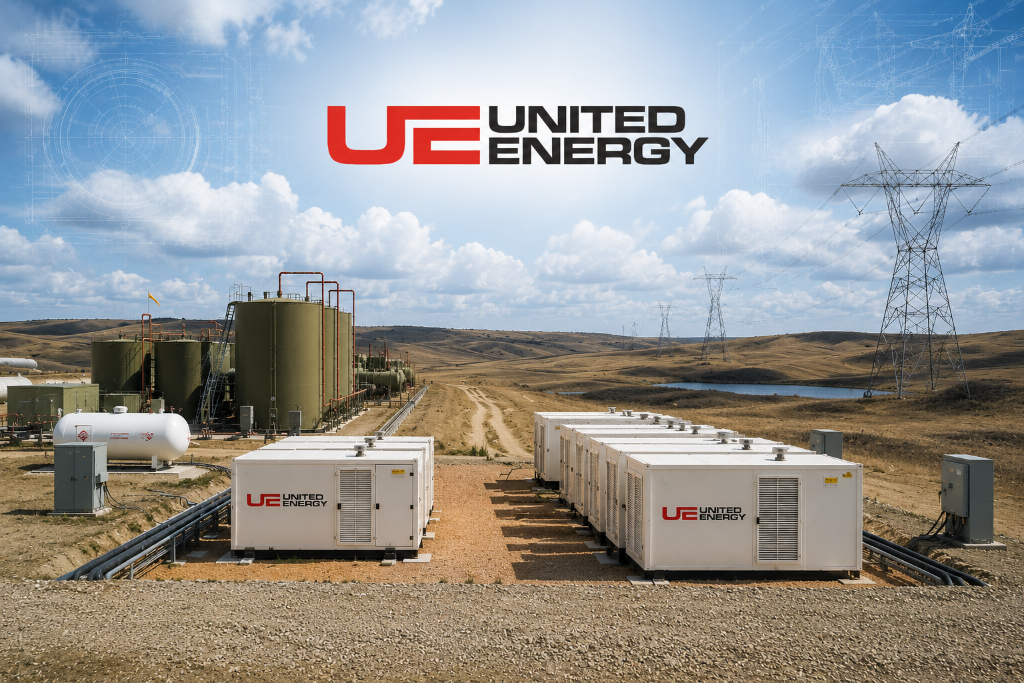
The LNG Supply Chain: From Gas Field to End User
LNG does not simply appear at an industrial facility. Between a natural gas molecule in a geological formation and that same molecule being burned in an industrial furnace or generator, it passes through a series of infrastructure assets, logistics operations, and handling procedures that collectively constitute the LNG supply chain.
For industrial operators, understanding this supply chain is not academic — it determines the reliability, cost, and flexibility of their energy supply. The weakest link in the supply chain is the limiting factor for total system performance. Operators who understand the chain can identify vulnerabilities and work with their supply partners to mitigate them.
Stage 1: Natural Gas Procurement
Every LNG supply chain begins with natural gas procurement. The LNG producer — or an intermediary — purchases natural gas from the pipeline grid or directly from a gas producer. Natural gas is typically purchased at Henry Hub or regional index pricing, with the cost forming the largest single component of delivered LNG cost.
Gas procurement strategy matters: operators that purchase gas at favorable forward prices or through fixed-price contracts provide customers with more predictable LNG pricing than those relying on pure spot market purchases.
Stage 2: Liquefaction
The procured gas flows to a liquefaction facility where it is cleaned, processed, and cooled to -260°F to become LNG. Liquefaction is capital-intensive and requires consistent feed gas supply to operate efficiently. The liquefaction facility is typically the bottleneck in a small-scale LNG supply chain — its availability and throughput capacity determine how much LNG can be produced per day.
A robust supply chain includes access to multiple liquefaction sources or significant storage inventory to buffer against single-plant outages.
Stage 3: LNG Storage at the Plant
Liquefied gas is stored in cryogenic tanks at the liquefaction facility, providing inventory buffer between production and loading operations. Plant storage allows liquefaction to run at steady state while delivery logistics flex to meet variable customer demand patterns.
Stage 4: Cryogenic Truck Loading
LNG is loaded from plant storage to cryogenic tanker trucks via specialized loading arms and transfer systems. Loading operations require trained personnel, proper equipment alignment, and safety system verification. Efficient loading operations minimize truck dwell time and maximize fleet productivity.
Stage 5: Transportation
Loaded trucks transport LNG over road to customer sites. Cryogenic trailers maintain LNG temperatures through vacuum insulation, with typical hold times of 24–48 hours before significant pressure build-up occurs. Route planning accounts for road restrictions, bridge weight limits, hazmat regulations, and delivery scheduling requirements.
Stage 6: Customer Site Delivery
At the customer site, LNG is unloaded from the delivery truck into on-site storage tanks. The transfer operation requires trained personnel, proper connection procedures, and system verification. Delivery documentation records the quantity transferred for inventory and billing purposes.
Stage 7: On-Site Storage
Customer on-site storage holds a working inventory of LNG — typically sized for 3–14 days of consumption — that buffers between delivery schedules and consumption rates. Storage tanks are monitored for level, pressure, and temperature, with low-level alarms triggering delivery orders.
Stage 8: Regasification
On-site vaporization equipment converts LNG from liquid to gas at the flow rate and pressure required by end-use equipment. Proper regasification system sizing is essential to meet peak demand without bottlenecking the supply chain at its last step.
Supply Chain Vulnerabilities and Risk Management
Each stage of the LNG supply chain has potential failure modes:
- Gas procurement risk: Supply disruption or price volatility managed through diversified sourcing and procurement contracts
- Liquefaction risk: Plant outage managed through alternative supply sources and storage inventory
- Logistics risk: Truck breakdown or route disruption managed through fleet redundancy and alternate routing
- Customer storage risk: Low inventory managed through real-time telemetry and proactive scheduling
- Regasification risk: Equipment failure managed through redundant vaporizer capacity
United Energy's integrated Energy Fulfillment™ model addresses these risks through single-operator accountability across the complete chain.
Key Takeaways
- The LNG supply chain spans 8 stages from gas procurement to end-use consumption, each with distinct infrastructure and risk profile
- Liquefaction capacity is typically the bottleneck; access to multiple liquefaction sources improves resilience
- On-site storage provides the critical buffer between logistics variability and operational continuity
- Real-time telemetry and proactive supply management are essential to preventing supply shortfalls
- Integrated supply chain management under single-operator accountability is the most reliable delivery model
How long is a typical LNG supply chain from production to delivery?
A typical small-scale LNG supply chain involves truck transport from a liquefaction facility to a customer site. Within a 200–300 mile radius, round-trip logistics (loading, transport, delivery, return) typically take 8–16 hours. Longer delivery distances extend this cycle time and require more trucks to maintain daily delivery frequency.
What is the most vulnerable point in an LNG supply chain?
Single-source liquefaction is typically the most significant vulnerability. If an LNG producer relies on a single plant with no backup supply source, any plant outage directly threatens customer supply. Integrated operators with multiple supply sources or significant storage inventory are substantially more resilient.
How do I evaluate the strength of an LNG supply chain?
Key evaluation criteria: number and diversity of liquefaction sources, fleet size and maintenance standards, customer storage sizing relative to consumption rate, monitoring and telemetry systems, emergency protocols, and track record of supply reliability. Ask potential providers directly about their contingency supply arrangements.
Can an LNG supply chain be established for a new facility quickly?
The minimum time to establish a new LNG supply arrangement depends on on-site storage installation (4–12 weeks for procurement, delivery, and commissioning) and supply chain logistics establishment (typically 2–4 weeks once storage is operational). Total lead time for a new facility with no existing infrastructure is typically 6–16 weeks.
Integrated LNG Supply Chains from United Energy
United Energy designs and manages complete LNG supply chains for industrial and remote energy users — from gas procurement through on-site delivery.