
12 Advantages of Small-Scale LNG Infrastructure
Small-scale LNG infrastructure is transforming access to natural gas for industrial, commercial, and remote energy users. These 12 advantages explain why.
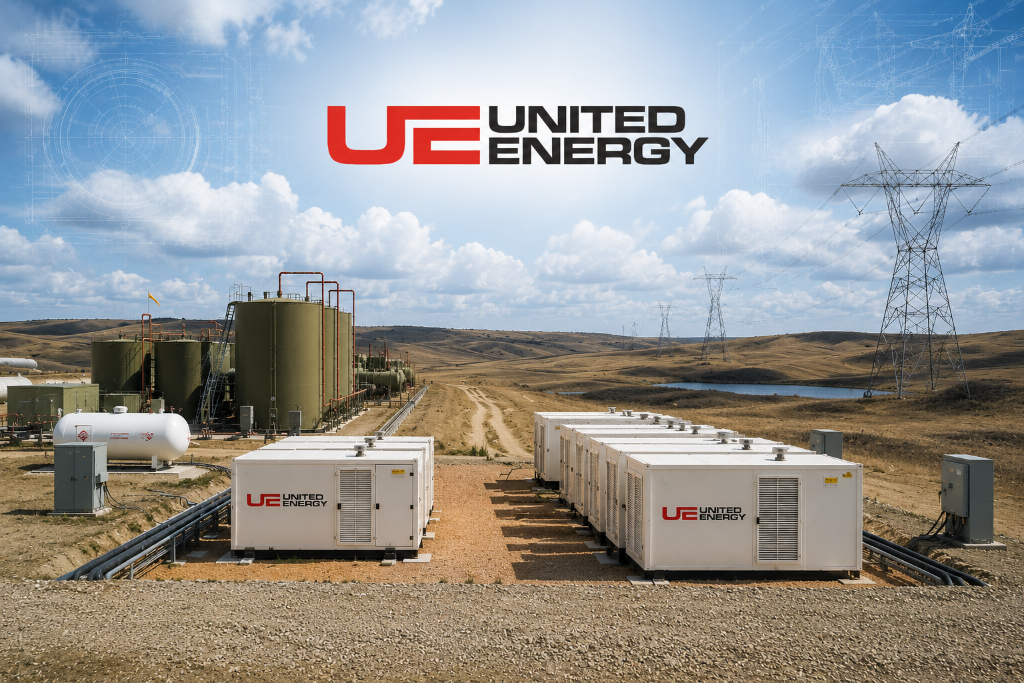
The Case for Small-Scale LNG
Large-scale LNG infrastructure — export terminals, import facilities, world-scale liquefaction trains — captures most of the public and investment attention in LNG markets. But the more significant transformation in access to natural gas energy is happening at the small scale: modular liquefaction systems, regional distribution networks, and truck-delivered LNG supply chains that put natural gas within reach of any industrial user, regardless of pipeline access.
Here are 12 specific advantages that explain why small-scale LNG infrastructure is growing rapidly and what it offers to industrial operators, utilities, and distributed energy users.
Advantage 1: Natural Gas Without Pipeline Dependency
The most fundamental advantage: LNG makes natural gas accessible anywhere a truck can deliver, regardless of pipeline infrastructure. This opens natural gas as a fuel option for the roughly 2% of US industrial sites without pipeline access — a large and underserved market.
Advantage 2: Faster Deployment Than Pipeline Construction
A small-scale LNG supply chain can be operational in weeks to months. A new pipeline extension takes years to permit, design, and construct. For industrial projects with defined timelines, LNG provides natural gas supply before the first pipeline shovel is in the ground.
Advantage 3: No Long-Term Pipeline Capacity Commitment
Pipeline service typically requires long-term firm capacity reservations with take-or-pay obligations. LNG supply can be structured with more flexible volume commitments, reducing financial exposure for projects with uncertain longevity or production profiles.
Advantage 4: Modular and Scalable Technology
Small-scale LNG systems can be built modularly — starting with the capacity needed today and expanding incrementally as demand grows. This phased investment approach avoids the overbuilding risk inherent in sizing infrastructure for uncertain long-term demand.
Advantage 5: On-Site Storage as Energy Reserve
Unlike pipeline gas — which is available only as long as pipeline pressure is maintained — LNG can be stored on-site for days to weeks. This stored reserve provides energy security against supply disruptions, demand peaks, and weather events.
Advantage 6: Peak Shaving for Gas Utilities
Gas utilities build LNG storage for peak shaving: storing LNG during low-demand summer periods and vaporizing it to supplement pipeline supply during winter demand peaks. Small-scale LNG is the enabling technology for this common and economically valuable application.
Advantage 7: Geographic Reach for LNG-to-Power
Combining small-scale LNG with distributed generation creates a complete energy system — power generation with no grid or pipeline requirement — that can be deployed at virtually any location. United Energy's Energy Fulfillment™ platform demonstrates this integrated model in practice.
Advantage 8: Emissions Improvement Over Diesel and Coal
LNG displacing diesel or coal in industrial applications reduces CO2 emissions by 25–30% and virtually eliminates particulate and black carbon emissions. These improvements are achievable now, at current technology cost, without waiting for speculative future technologies.
Advantage 9: Competitive with Pipeline Gas Economics
For users consuming substantial volumes, delivered LNG cost (commodity + logistics) may be competitive with pipeline gas for some applications, particularly when pipeline alternatives require significant capital for connection or when pipeline capacity is constrained and expensive.
Advantage 10: Supports Emergency Gas Supply
Small-scale LNG infrastructure can serve as emergency gas supply for industrial facilities, utilities, or municipalities experiencing pipeline supply disruptions. Mobile LNG systems can be deployed quickly to restore service during emergencies.
Advantage 11: Enables LNG as Transportation Fuel
Small-scale LNG distribution infrastructure that serves industrial customers also enables LNG as a heavy truck and marine fuel — broadening the customer base and improving logistics economics for the entire small-scale LNG ecosystem.
Advantage 12: Infrastructure That Compounds in Value Over Time
As a small-scale LNG distribution network grows — adding customers, optimizing routes, expanding fleet capacity — the network's economics improve. More delivery density means lower cost per delivery, which makes the overall system more competitive and enables serving progressively smaller customers profitably.
Key Takeaways
- Small-scale LNG provides natural gas access independent of pipeline infrastructure
- Modular technology, on-site storage, and faster deployment are key operational advantages
- Emissions benefits over diesel and coal are achievable at current technology and cost
- Infrastructure value compounds as networks grow and logistics economics improve
- Peak shaving, emergency supply, and transportation fuel applications extend the utility of small-scale LNG infrastructure
How small is 'small-scale' LNG?
Small-scale LNG typically refers to liquefaction facilities producing less than 1 million tonnes per annum (MTPA) and distribution systems serving regional or local markets by truck. In the US context, most small-scale LNG operations produce between 100,000 and 5 million gallons per day.
Is small-scale LNG the same as virtual pipeline?
The terms are sometimes used interchangeably. 'Virtual pipeline' specifically refers to using LNG truck delivery as a substitute for a physical gas pipeline connection. Small-scale LNG is the broader technology/infrastructure category that enables virtual pipeline service.
What is the maximum distance for economical LNG truck delivery?
Economic truck delivery is typically practical within 200–500 miles of the LNG source, though this varies with fuel volumes, road access, and logistics network density. Well-designed supply chains with appropriate origin points can extend delivery reach further at acceptable economics.
Access Small-Scale LNG Supply
United Energy operates small-scale LNG infrastructure serving industrial, commercial, and remote energy users across the United States.