
15 Energy Infrastructure Trends to Watch
The energy infrastructure landscape is evolving rapidly. These 15 trends are reshaping how energy is produced, transported, stored, and consumed across industrial, commercial, and remote markets.
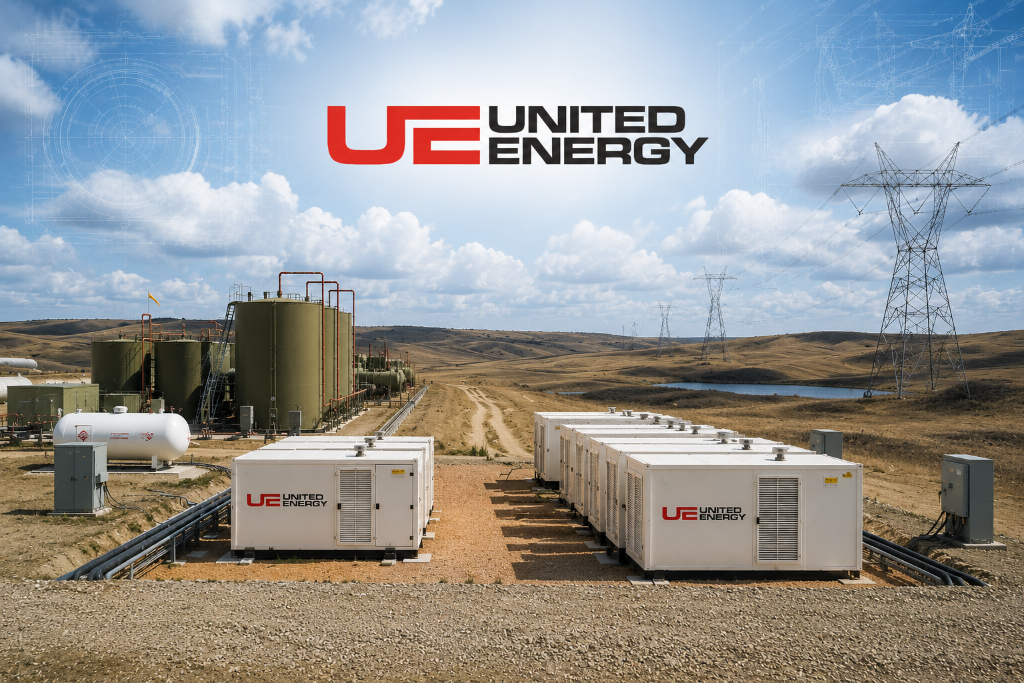
The Energy Infrastructure Landscape Is Changing
Energy infrastructure — the physical systems that produce, transport, store, and deliver energy — is undergoing its most significant transformation in decades. Driven by AI-fueled data center power demand, the maturation of small-scale LNG, grid capacity constraints, and the practical limits of renewable energy's intermittency, infrastructure trends are creating significant opportunities for distributed, flexible energy systems.
These 15 trends represent the most important structural shifts for anyone involved in energy infrastructure — as operators, investors, or industrial energy consumers.
Trend 1: Explosive Data Center Power Demand
AI model training and inference workloads are driving unprecedented growth in data center power consumption. New AI-optimized facilities are being designed at 100–1,000 MW scale — orders of magnitude larger than traditional data centers — creating massive demand for energy infrastructure that the existing grid cannot accommodate on current timelines.
Trend 2: Grid Interconnection Queue Backlogs
Utilities in major markets face multi-year interconnection queue delays for new data centers, industrial facilities, and generation projects. This backlog is pushing large energy consumers toward on-site and near-site generation rather than grid dependency.
Trend 3: LNG as a Bridge Fuel for Industrial Decarbonization
LNG is positioned as the practical transition fuel for industrial operators moving away from diesel and coal. Natural gas delivers 25–30% lower CO2 than diesel with near-zero particulate emissions, providing meaningful near-term emissions improvement without the cost and reliability limitations of current renewable alternatives.
Trend 4: Small-Scale LNG Infrastructure Expansion
The small-scale LNG market is growing significantly, driven by industrial demand, frac fuel applications, heavy trucking, and marine bunkering. As more small-scale LNG facilities are built, logistics economics improve and geographic reach expands — creating a positive feedback loop for adoption.
Trend 5: Distributed Generation for Critical Infrastructure
Critical infrastructure — data centers, hospitals, emergency services, financial systems — is increasingly investing in distributed generation capable of island-mode operation. The reliability bar is rising as digital infrastructure becomes more economically critical.
Trend 6: Microgrids for Industrial and Campus Applications
Microgrid deployments are growing as large industrial campuses, data center clusters, and institutional facilities seek energy independence. Natural gas-fueled generation is a central component of most industrial microgrids due to its reliability, dispatchability, and energy density.
Trend 7: LNG for Remote and Off-Grid Industrial Operations
Oil and gas development continues expanding into increasingly remote geographies — in North America and globally — where pipeline infrastructure will never be economically justified. LNG is becoming the standard fuel for these permanent or long-duration remote operations.
Trend 8: Fuel Diversification Away from Diesel Dependency
Industrial operators are actively diversifying away from diesel dependence driven by price volatility, supply chain risk, ESG requirements, and regulatory pressure. LNG and compressed natural gas are the primary beneficiaries of this shift in industrial applications.
Trend 9: Integration of Operations Technology and Energy Management
Advanced telemetry, remote monitoring, and operations management systems are making distributed energy infrastructure more reliable and cost-effective to operate. Real-time tank monitoring, predictive maintenance, and optimized logistics scheduling are becoming standard capabilities for sophisticated energy operators.
Trend 10: ESG-Driven Fuel Switching
Public company operators with ESG reporting requirements are scrutinizing Scope 1 emissions from fuel combustion. This ESG pressure is accelerating fuel switching from diesel and coal to natural gas and LNG in industrial applications where pipeline gas is not available.
Trend 11: LNG Export Infrastructure Expansion
US LNG export capacity is growing substantially, with multiple new projects under development. Expanded export capacity supports domestic LNG market development by adding liquefaction investment and supply chain expertise that benefits domestic users.
Trend 12: Demand Response and Grid Services from Distributed Assets
Distributed generation assets are increasingly being aggregated to provide grid services — frequency regulation, demand response, and capacity — creating additional revenue streams for distributed energy operators beyond avoided energy costs.
Trend 13: Energy-as-a-Service Models
Industrial operators increasingly prefer to consume energy as a service rather than own and operate energy infrastructure. This creates opportunities for integrated energy providers that can design, build, own, and operate complete energy systems for large industrial clients. United Energy's Energy Fulfillment™ model represents this service-based approach.
Trend 14: Natural Gas Infrastructure Longevity Despite Energy Transition
Despite long-term energy transition narratives, natural gas infrastructure built today has 30–50 year economic lives. The practical timeline for replacing natural gas in industrial applications — given the cost, reliability, and energy density requirements — supports continued infrastructure investment in gas-based energy systems.
Trend 15: Investor Interest in Infrastructure-Backed Energy Companies
Infrastructure-backed energy businesses — companies with long-lived physical assets, contracted revenue streams, and essential service provision — are attracting sustained investor interest as an alternative to commodity-exposed energy businesses. United Energy's investor relations information details UNRG's infrastructure-backed positioning in distributed energy markets.
Key Takeaways
- AI data center power demand is creating energy infrastructure requirements that the existing grid cannot meet on current timelines
- Small-scale LNG is growing as the practical fuel for distributed, remote, and industrial energy users
- Distributed generation and microgrids are becoming standard for critical and industrial energy applications
- ESG pressure and fuel diversification drivers are accelerating the shift from diesel to natural gas
- Infrastructure-backed energy service models are attracting investor interest
What is driving data center energy demand growth?
The primary driver is the explosive growth of AI compute workloads — model training and inference jobs that require GPU-dense computing infrastructure consuming 30–100+ kW per rack. Cloud computing growth, streaming, financial technology, and general digitization are additional demand drivers.
Is natural gas infrastructure a long-term investment given the energy transition?
Natural gas infrastructure has practical asset lives of 30–50 years. Industrial processes requiring thermal energy and reliable dispatchable power are not practically decarbonized on short timelines. Most energy transition scenarios include natural gas as a bridge fuel through 2050 and beyond for industrial and power applications.
What is the 'energy-as-a-service' model?
Energy-as-a-service (EaaS) refers to arrangements where an energy provider designs, builds, owns, and operates energy infrastructure at or for a customer facility, and the customer pays for energy delivered rather than owning infrastructure. This shifts capital burden and operational responsibility to the provider while giving the customer reliable energy at predictable cost.
How large is the small-scale LNG market?
The small-scale LNG market (production capacity under 1 MTPA per facility) is estimated at several billion dollars globally and growing at significant annual rates. North America, Europe, and Asia are all experiencing growth driven by industrial fuel switching, transportation applications, and remote energy demand.
Infrastructure Built for the Energy Trends That Matter
United Energy Corporation is positioned at the intersection of the trends driving distributed energy infrastructure demand.