
What Is Energy Infrastructure?
Energy infrastructure encompasses the physical systems that produce, process, transport, store, and deliver energy to end users. Understanding this infrastructure is foundational to evaluating energy companies and markets.
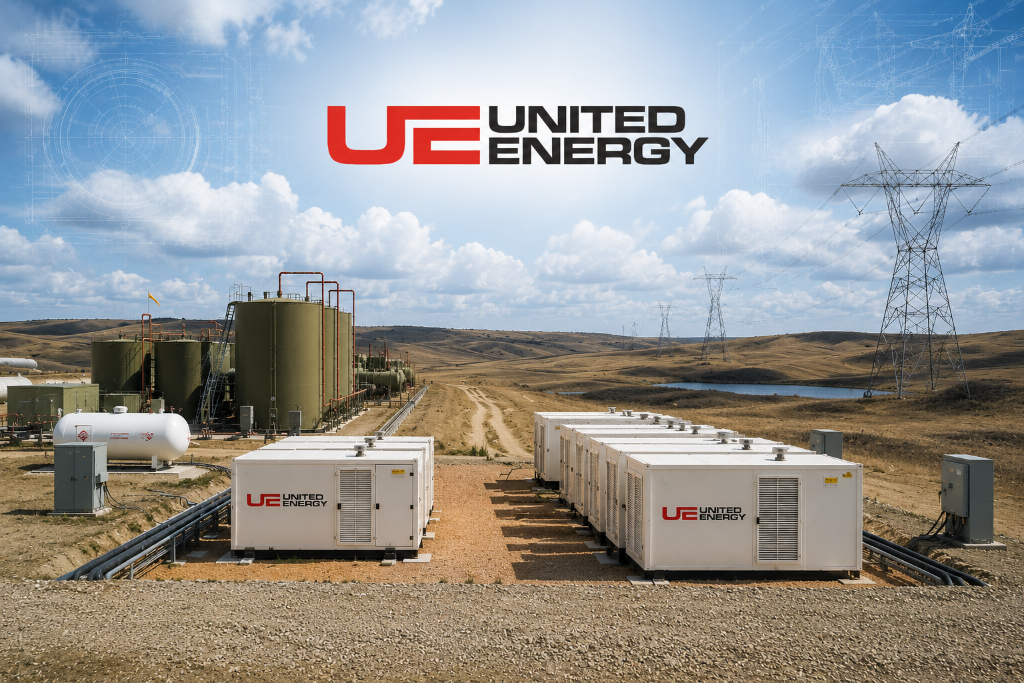
Defining Energy Infrastructure
Energy infrastructure refers to the collection of physical systems, facilities, equipment, and networks that enable the production, processing, transportation, storage, and delivery of energy in its various forms. Without energy infrastructure, energy resources in the ground — natural gas fields, oil wells, renewable generating potential — cannot be converted into usable energy that powers economies and industries.
Energy infrastructure is best understood by following energy through its supply chain from source to end use. Each step requires distinct physical infrastructure, specialized expertise, and significant capital investment. Understanding this supply chain is essential for anyone analyzing energy companies, investing in the energy sector, or designing industrial energy strategies.
Categories of Energy Infrastructure
Upstream Infrastructure
Upstream infrastructure is associated with resource exploration and production. For natural gas and oil, this includes drilling rigs, wellheads, downhole equipment, and surface production facilities. Upstream infrastructure converts resources from underground formations into marketable commodities.
Midstream Infrastructure
Midstream infrastructure moves and processes energy between the production site and the end-use consumer. For natural gas, midstream includes:
- Gathering pipelines that collect gas from multiple well pads
- Processing plants that clean and separate gas streams
- Compression facilities that maintain pipeline pressure
- Interstate and intrastate transmission pipelines
- LNG liquefaction and storage facilities
- LNG transportation fleets
Midstream is where United Energy's Energy Fulfillment™ platform primarily operates — moving and managing natural gas in liquid form to serve distributed energy users.
Downstream Infrastructure
Downstream infrastructure connects energy supply to end use. For natural gas, downstream includes local distribution pipelines, metering and regulation stations, and end-use equipment. For LNG-based energy systems, downstream includes on-site storage, regasification systems, and gas distribution within the facility.
Generation and Power Infrastructure
Power generation infrastructure converts primary fuels into electricity. This includes natural gas turbines, reciprocating engines, combined cycle power plants, and distributed generation equipment. Distributed gas-fired generation is a key component of modern off-grid and energy-resilient power systems.
Characteristics of Energy Infrastructure Investments
Energy infrastructure assets share several characteristics that distinguish them from other types of businesses and investments:
Capital Intensity
Energy infrastructure requires substantial upfront capital investment in physical assets. LNG plants, pipelines, compressor stations, and storage facilities represent multi-million to multi-billion dollar investments before generating any revenue.
Long Asset Life
Energy infrastructure assets typically have useful lives of 20 to 50 years or more. This long asset life means infrastructure decisions made today have long-term consequences for energy supply and costs.
Essential Services
Infrastructure that delivers fuel to industrial processes, powers hospitals, or maintains grid reliability provides essential services. Demand for these services tends to be more stable than demand for discretionary goods and services, contributing to relatively predictable cash flows for infrastructure operators.
Network Effects and Geographic Advantages
Infrastructure assets often have significant competitive advantages based on their physical location and network connections. A pipeline serving a producing basin, a terminal with deep-water access, or an LNG facility with established logistics routes has advantages that are difficult for competitors to replicate.
The Distributed Energy Infrastructure Opportunity
Traditional energy infrastructure was built to serve centralized demand. As demand patterns shift — driven by the growth of remote operations, data center campuses, industrial electrification, and off-grid applications — a new category of distributed energy infrastructure is emerging to serve these dispersed consumers. United Energy's investor relations materials provide detailed information about UNRG's positioning in this distributed infrastructure landscape.
Key Takeaways
- Energy infrastructure spans upstream (production), midstream (processing/transport), and downstream (distribution/delivery) segments
- Infrastructure assets are capital-intensive, long-lived, and provide essential services
- Natural gas midstream infrastructure includes gathering, processing, transmission, LNG liquefaction, and logistics
- Distributed energy infrastructure is a growing segment serving remote and off-grid energy users
- Understanding infrastructure's role in the energy supply chain is essential for energy investment analysis
What is the difference between upstream and midstream energy?
Upstream energy refers to the exploration and production of oil and gas resources — finding, drilling, and extracting hydrocarbons from the earth. Midstream refers to the gathering, processing, storage, and transportation of energy between production sites and end consumers. United Energy operates primarily in the midstream and downstream segments.
Why is energy infrastructure considered a relatively stable investment?
Energy infrastructure provides essential services with inelastic demand — industrial facilities, utilities, and consumers need continuous energy supply regardless of economic conditions. Long-term contracts, regulatory frameworks, and the essential nature of energy services tend to produce more stable cash flows than commodity-exposed businesses.
What is a midstream energy company?
A midstream energy company provides transportation, storage, and processing services for natural gas, oil, and other energy commodities. Revenue is typically fee-based — earned for moving or storing energy regardless of the commodity price — rather than tied directly to commodity price movements.
How does LNG fit into the energy infrastructure landscape?
LNG infrastructure — liquefaction facilities, cryogenic storage, transportation fleets, and regasification systems — is a specialized segment of natural gas midstream infrastructure. It enables natural gas to be stored and transported in liquid form, extending gas supply to locations the pipeline network cannot serve.
What drives demand for energy infrastructure investment?
Key demand drivers include economic growth (more industrial activity requires more energy), population growth, energy transitions (different fuels require different infrastructure), geographic expansion of industrial operations into areas without existing infrastructure, and reliability requirements that drive redundancy investment.
UNRG Investor Information
United Energy Corporation (OTCMKTS: UNRG) is building distributed energy infrastructure to serve the growing market of industrial and remote energy users.