
Energy Infrastructure Investment Drivers
Multiple converging forces are driving increased investment in energy infrastructure — from data center power demand and grid constraints to industrial fuel switching and remote energy growth.
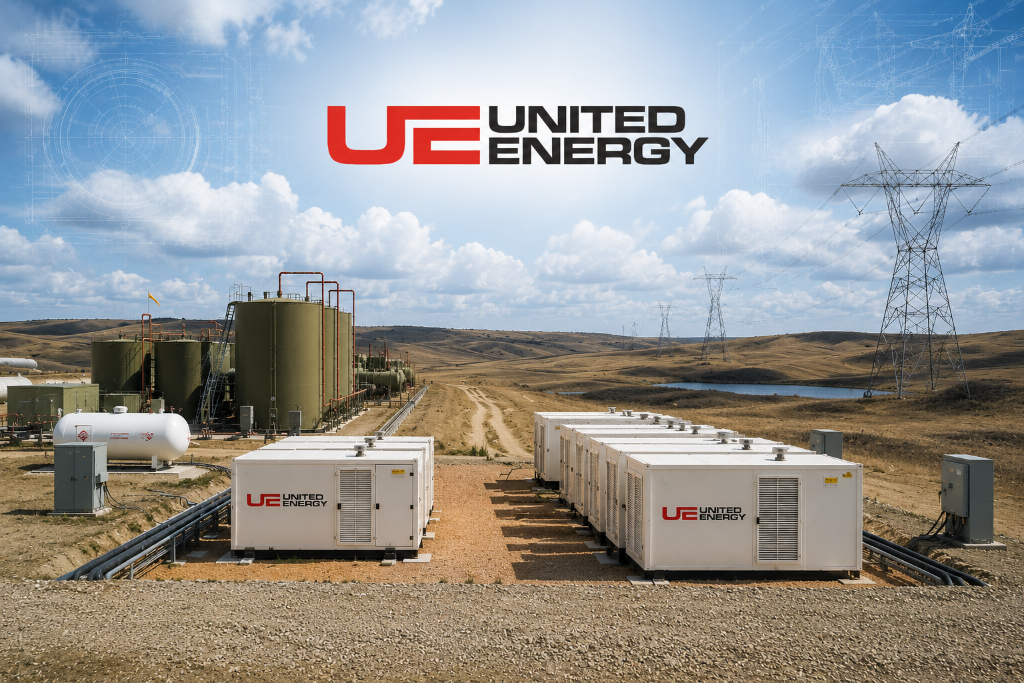
What Is Driving Energy Infrastructure Investment?
Energy infrastructure investment — capital deployed in physical systems that produce, transport, store, and deliver energy — is being driven by a confluence of structural forces that create sustained demand for new infrastructure assets. Understanding these drivers is essential for investors assessing energy infrastructure opportunities, industrial operators planning long-term energy strategies, and policymakers evaluating infrastructure needs.
Unlike cyclical investments tied to commodity prices, infrastructure demand drivers are predominantly structural: they reflect long-term changes in the economy, technology adoption, and energy consumption patterns that will persist across business cycles.
Driver 1: Data Center Power Demand Growth
The most powerful near-term driver of energy infrastructure investment is the explosive growth of data center power demand, led by artificial intelligence compute workloads. New AI-optimized data centers require 100–1,000 MW of power — creating demand for energy infrastructure at the scale of small utility power plants. Grid interconnection backlogs in major markets are forcing data center operators to invest in on-site and near-site generation infrastructure, directly creating demand for distributed LNG-to-power systems.
Driver 2: Grid Infrastructure Constraints
The US utility transmission and distribution grid faces capacity constraints in major demand growth markets. Interconnection queue wait times measured in years are creating a structural market for distributed and on-site generation as an alternative to grid dependence. This constraint is not easily or quickly solved — transmission construction requires years of permitting and right-of-way acquisition. Distributed energy infrastructure that avoids the grid capacity constraint grows its value proposition as the constraint persists.
Driver 3: Industrial Fuel Switching
Industrial operators are systematically reducing diesel and propane consumption in favor of natural gas and LNG, driven by cost economics, emissions requirements, and supply chain reliability considerations. This fuel switching creates sustained demand for LNG logistics infrastructure, on-site storage, and regasification systems across industrial markets.
Driver 4: Remote Resource Development
Oil and gas development, mining, and renewable energy generation are occurring in increasingly remote geographies where existing energy infrastructure is absent or inadequate. Serving these remote operations requires dedicated distributed energy infrastructure — LNG supply chains, on-site generation, and field operations capabilities — that must be built as these operations develop.
Driver 5: Energy Transition Bridge Demand
While renewable energy deployment is growing, the practical timeline for replacing dispatchable natural gas generation in industrial and power applications extends well beyond current decade. The energy transition creates a multi-decade demand for natural gas infrastructure as the reliable, lower-emission bridge between legacy coal and diesel dependence and future low-carbon energy systems.
Driver 6: ESG-Driven Fuel Switching Incentives
Public company operators with institutional shareholders are facing ESG pressure to document and reduce Scope 1 emissions. Fuel switching from diesel and coal to natural gas/LNG provides verifiable, reportable emissions reductions achievable now, at current technology cost. This ESG driver accelerates investment in LNG infrastructure beyond what pure economics would drive.
Driver 7: Energy Resilience Premium
The financial consequences of energy supply interruptions are growing as operations become more sophisticated, digital, and continuous-process oriented. Industrial operators, data center owners, and utilities are investing in resilience infrastructure — backup generation, on-site storage, microgrid systems — at levels beyond what pure cost optimization would justify. The resilience premium creates infrastructure investment demand that is less price-sensitive than commodity-driven investments.
Implications for Infrastructure Operators
Companies positioned at the intersection of these structural demand drivers — like United Energy Corporation (OTCMKTS: UNRG) — are positioned in markets where demand growth is driven by structural trends rather than cyclical dynamics. Infrastructure businesses with physical assets, contracted revenue, and essential service provision in growing markets represent a distinctive investment profile relative to commodity-exposed energy businesses.
Key Takeaways
- Energy infrastructure investment is driven by multiple converging structural forces, not short-term cyclical dynamics
- Data center AI power demand is the most powerful near-term driver, creating energy infrastructure requirements at utility plant scale
- Grid constraints, industrial fuel switching, remote development, and ESG pressures are reinforcing structural demand drivers
- Infrastructure businesses providing essential services in growing demand markets have differentiated investment characteristics
- The energy transition timeline supports multi-decade demand for natural gas infrastructure
Is energy infrastructure a defensive or growth investment?
Energy infrastructure combines characteristics of both. The essential-service nature and long-term contracted revenue provide defensive characteristics — stability across economic cycles. The structural demand drivers described above — AI data centers, fuel switching, remote development — provide growth characteristics. This combination is one reason infrastructure investments attract broad investor interest.
How do interest rates affect energy infrastructure investment?
Energy infrastructure businesses are capital-intensive, and their valuations are influenced by interest rates through both financing cost (higher rates increase cost of capital) and discount rate effects on long-term cash flows. However, inflation-linked revenue contracts and inelastic demand provide partial offsets to interest rate headwinds.
What is the typical investment horizon for energy infrastructure?
Physical energy infrastructure assets have 20–50 year economic lives, and infrastructure investments are typically evaluated on longer time horizons than commodity businesses. Infrastructure investors — pension funds, sovereign wealth funds, infrastructure-focused private equity — generally seek stable, long-duration cash flows aligned with their liability structures.
How does the energy transition affect existing natural gas infrastructure investments?
Credible energy transition scenarios include natural gas for decades as a bridge fuel, particularly for industrial heat and backup/dispatchable power where current renewable alternatives are technically or economically insufficient. Infrastructure built today has expected economic lives that extend well into the period where natural gas demand remains substantial.
Where can I find United Energy Corporation's investor information?
United Energy Corporation (OTCMKTS: UNRG) investor information, including financial filings and company presentations, is available at unitedenergyco.com/investors and through OTC Markets under the UNRG ticker symbol.
United Energy: Infrastructure for Growing Markets
United Energy Corporation is building distributed energy infrastructure positioned at the intersection of the most powerful structural energy demand trends.