
9 Risks of Energy Downtime for Industrial Facilities
Energy downtime at industrial facilities creates consequences that extend far beyond the immediate production loss. These 9 risk categories quantify the full cost of energy supply interruptions.
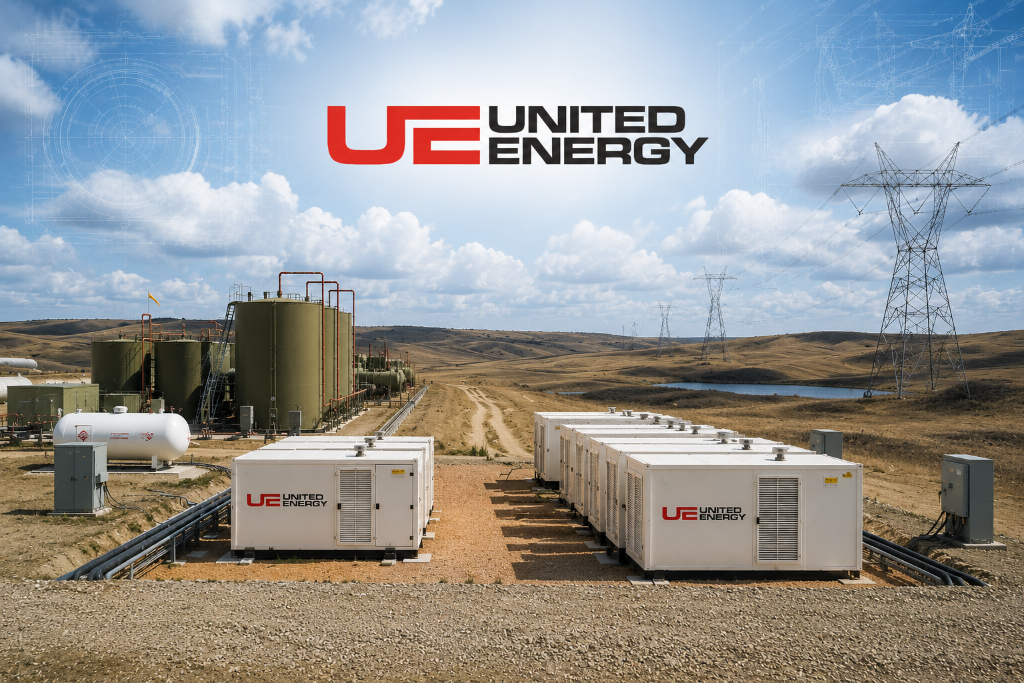
The True Cost of Energy Downtime
When energy supply fails at an industrial facility, the immediate cost — lost production for the duration of the outage — is only the beginning. The full cost of an energy supply interruption cascades through operations, supply chains, customer relationships, equipment condition, and regulatory standing. Organizations that evaluate energy reliability investments only against the cost of immediate production loss consistently underinvest in resilience infrastructure.
This analysis outlines nine distinct risk categories that contribute to the total cost of industrial energy downtime.
Risk 1: Direct Production Loss
The most visible cost: manufacturing output, service delivery, or operational throughput that is not produced during the downtime period. For a facility generating $1 million per day in revenue, a 4-hour outage represents $167,000 in direct production loss — before any other cost category is considered.
Risk 2: Material and Work-in-Process Waste
Many industrial processes leave materials in various states of completion that are damaged or lost when power fails abruptly. Chemical processes may need to be discarded. Food products spoil. Metal castings freeze in molds. Partially processed batches may be unrecoverable. For process industries, material waste from an unplanned shutdown can exceed the value of the lost production itself.
Risk 3: Equipment Damage and Repair Costs
Abrupt power loss without proper shutdown sequencing can damage process equipment. Electric motors may trip on overload. Hydraulic systems may fail to retract. Pump seals may be damaged by dry running conditions. Compressors may surge. Equipment damage from improper shutdowns requires emergency repair and can extend the actual downtime well beyond the duration of the energy supply interruption.
Risk 4: Process Restart Costs and Time
Restarting a complex industrial process after an unplanned shutdown is rarely as simple as turning the power back on. Chemical processes require purging and recommissioning. Temperature-sensitive processes require re-achieving operating temperatures. Complex sequencing systems require manual restart procedures. Restart time can exceed the outage duration itself in some process industries.
Risk 5: Customer Contract Penalties
Industrial operators with delivery commitments to customers may incur contractual penalties when production interruptions cause delivery failures. Supply agreements may contain liquidated damages clauses, take-or-pay provisions, or force majeure limitations that affect whether energy supply failures qualify for excused non-performance. In competitive markets, missed deliveries damage customer relationships beyond the immediate contractual penalties.
Risk 6: Safety Incidents
Energy supply failures can create safety hazards. Emergency lighting failures, ventilation system shutdowns, process equipment in unsafe states, and abnormal operating conditions created by unplanned shutdowns all increase the probability of safety incidents. The direct cost of safety incidents and the regulatory and reputational consequences can be catastrophic.
Risk 7: Regulatory and Permit Violations
Some industrial processes have regulatory requirements tied to continuous operation. Air emission controls may require continuous operation to maintain permit compliance. Food safety regulations require continuous refrigeration. Environmental controls may require continuous operation. Unplanned shutdowns can create regulatory violations that require reporting, remediation, and in some cases, operational restrictions while compliance is restored.
Risk 8: Reputational and Customer Relationship Damage
In markets where reliability is a competitive differentiator, energy supply failures that affect customer service create reputational damage that outlasts the physical recovery from the outage. Long-term customers may reassess their supply arrangements. New customer prospects may be deterred by a reliability incident history. Reputational costs are difficult to quantify but can be among the most financially significant long-term consequences of major downtime events.
Risk 9: Accelerated Capital Replacement
Equipment that experiences frequent unplanned shutdowns and restarts ages faster than equipment operating in continuous, stable conditions. Thermal cycling, pressure transients, and other stress events associated with unplanned shutdowns reduce equipment life and increase maintenance costs. Over time, the accelerated capital replacement associated with unreliable energy supply represents a significant cost that adds to the direct downtime cost.
Quantifying Your Downtime Risk
Industrial operators can quantify their downtime risk across these nine categories by: estimating production value per hour, identifying material waste exposure, assessing equipment vulnerability, reviewing customer contracts for penalty provisions, and consulting with safety and regulatory advisors. This quantification provides the basis for appropriate investment in reliability infrastructure including reliable LNG energy supply systems and distributed generation backup.
Key Takeaways
- Energy downtime costs extend across nine risk categories well beyond immediate production loss
- Material waste, equipment damage, restart costs, and contract penalties frequently exceed direct production loss
- Safety incidents and regulatory violations represent the highest-severity risk categories
- Reputational damage compounds long after the physical outage is resolved
- Full downtime risk quantification typically justifies substantially more reliability investment than production-loss-only analysis
What is the average cost of an industrial power outage?
The cost varies enormously by industry, facility size, and outage duration. Studies have found average industrial outage costs ranging from $100,000 to several million dollars per event, with wide variation based on the specific operations affected, inventory in process, and contractual consequences.
Which industries have the highest energy downtime costs?
Continuous process industries (chemicals, refining, steelmaking, aluminum smelting, paper), semiconductor fabrication, pharmaceutical manufacturing, food processing, and data centers consistently show the highest downtime costs per hour due to high production value, significant material-in-process exposure, and complex restart requirements.
How can industrial facilities reduce the consequences of unavoidable downtime?
Key strategies include: designing processes with planned shutdown sequences for orderly load reduction (vs. abrupt shutoffs), maintaining minimum inventory buffers to fulfill customer commitments during short outages, having emergency response plans that minimize restart time, and communicating proactively with customers when supply delivery will be affected.
Can downtime costs be insured?
Business interruption insurance covers revenue loss from covered causes (typically equipment failure, fire, natural disaster). Energy supply interruptions may qualify if they result from covered causes. Policy coverage details, waiting periods, and coverage limits significantly affect actual insurance recovery. Insurance is a financial mitigation, not a substitute for reliability infrastructure.
What is the relationship between preventive maintenance and downtime risk?
Preventive maintenance reduces the probability of equipment failure — the leading cause of unplanned downtime for well-designed energy systems. Studies consistently show that preventive maintenance programs reduce total maintenance cost and downtime events compared to reactive-only maintenance. For energy systems, comprehensive preventive programs are a high-ROI reliability investment.
Reduce Your Energy Downtime Risk
United Energy provides reliable LNG energy supply and distributed generation systems that eliminate the most common causes of industrial energy supply interruptions.