
Energy Reliability FAQ
Answers to common questions about energy reliability — backup systems, uptime requirements, supply continuity strategies, and how LNG supports operational resilience.
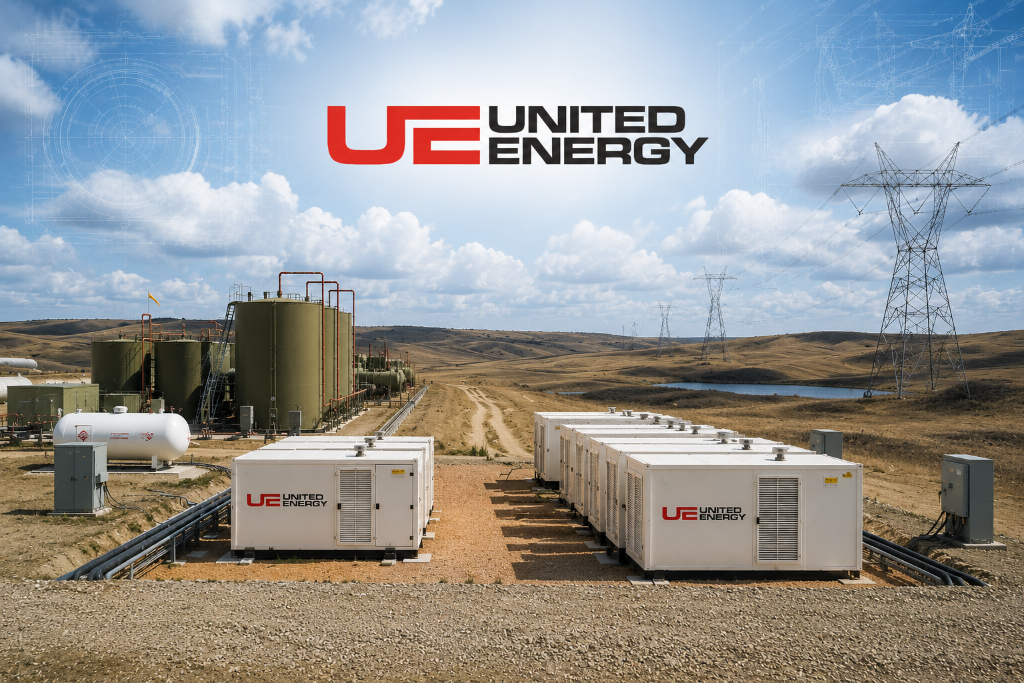
Frequently Asked Questions About Energy Reliability
Energy reliability is a critical concern for any operation that cannot afford power interruptions. These questions address backup systems, uptime strategies, the role of distributed generation, and how LNG-based fuel supply enhances energy security.
What is energy reliability and why does it matter?
Energy reliability refers to the consistency and continuity of energy supply to a facility or operation. High energy reliability means power and fuel are available when needed, without interruption. It matters because energy interruptions cause production losses, equipment damage, safety risks, and financial consequences that can far exceed the cost of reliability infrastructure.
What is the difference between energy reliability and energy resilience?
Energy reliability refers to the absence of interruptions under normal operating conditions. Energy resilience refers to the ability to maintain operations during and recover from disruptions — including major events like extreme weather, equipment failures, or supply chain disruptions. Resilient energy systems combine high reliability with the ability to withstand and recover from adverse events.
How is energy reliability measured?
Common reliability metrics include: uptime percentage (hours operational / total hours), MTBF (mean time between failures), MTTR (mean time to repair), and for power utilities, SAIDI and SAIFI indices that measure average interruption duration and frequency. Industrial operations typically establish minimum uptime requirements based on the cost consequences of downtime.
What backup power options are available for industrial facilities?
Common backup power options include: diesel generator sets (reliable, universal, but runtime limited by fuel storage), natural gas/LNG generators (extended runtime capability, lower emissions), battery energy storage (fast response, limited duration), and distributed generation systems that can operate independently of the grid.
How much backup power capacity do I need?
Backup capacity should be sufficient to serve all loads that must remain operational during a grid outage. Critical loads (life safety, process control, communications, refrigeration) should be identified and sized for. The total critical load, plus a margin for startup surges and derating, defines the minimum backup generation capacity required.
How does on-site LNG storage improve energy reliability?
On-site LNG storage provides fuel reserve independent of pipeline supply and utility grid availability. A properly sized LNG storage system can maintain fuel supply for days to weeks, providing a substantial operational buffer against supply chain disruptions. This is particularly valuable for remote operations and critical facilities.
What is the leading cause of industrial energy supply interruptions?
The leading causes vary by facility type and geography, but commonly include: utility grid failures (weather, equipment failures, capacity shortfalls), on-site equipment failures (generator failures, UPS failures, transfer switch failures), fuel supply disruptions, and human error during maintenance operations.
How quickly can emergency power systems be deployed?
Mobile generator sets can be dispatched and operational within hours to days depending on equipment availability and site preparation. Establishing a relationship with an emergency power provider before you need emergency power — including pre-negotiated agreements and site assessments — significantly reduces deployment time in a crisis.
What role does predictive maintenance play in energy reliability?
Predictive maintenance programs — monitoring equipment condition through sensors, regular inspections, and diagnostic testing — identify potential failures before they occur, allowing planned corrective maintenance rather than unplanned emergency repair. For critical energy equipment, comprehensive predictive maintenance is essential to achieving high reliability targets.
How do I conduct an energy vulnerability assessment for my facility?
An energy vulnerability assessment should identify: all energy inputs (power, fuel, steam), the criticality of each input to operations, the consequences of supply interruption for each input, current backup and resilience measures, gaps between current resilience and required resilience, and prioritized recommendations for closing gaps. United Energy can support energy vulnerability assessments for industrial facilities.
Build Energy Resilience with United Energy
United Energy provides integrated LNG supply and distributed power systems designed for maximum operational energy reliability.