
Distributed Energy FAQ
Answers to the most common questions about distributed energy — what it is, how it works, what it costs, and how it serves industrial and remote energy users.
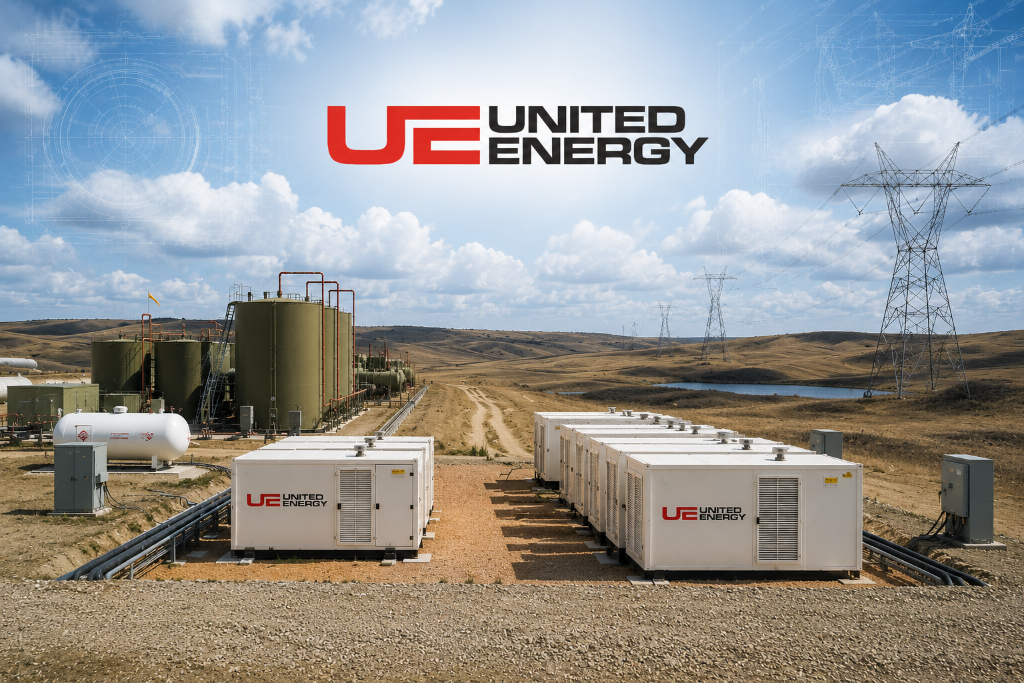
Frequently Asked Questions About Distributed Energy
Distributed energy is a broad and sometimes misunderstood topic. These questions and answers provide a practical reference for industrial operators, facility managers, and investors seeking to understand distributed generation, its applications, and its role in modern energy infrastructure.
For a comprehensive introduction to the topic, see: What Is Distributed Energy?
What is distributed energy?
Distributed energy (also called distributed generation or distributed energy resources) refers to power generation located at or near the point of consumption, rather than at large centralized power plants. Examples include natural gas generators, LNG-fueled turbines, microturbines, fuel cells, and solar PV systems installed at or near the facility they serve.
How is distributed energy different from the utility grid?
The utility grid generates power at large, centralized plants and transmits it over long distances to consumers. Distributed energy generates power at the consumption site, eliminating or reducing dependence on long-distance transmission infrastructure. Distributed systems can operate connected to the grid, independently (island mode), or both.
What fuels are used in distributed energy systems?
Natural gas (from pipelines or LNG), diesel, propane, biogas, and hydrogen are the most common fuels for thermal distributed generation. Solar and wind generate electricity directly without a thermal conversion step. For industrial applications requiring reliable, dispatchable power, natural gas and LNG are the dominant distributed generation fuels.
Can a distributed energy system operate without grid connection?
Yes. Distributed generation systems designed for island mode operation can provide electricity entirely independently of the utility grid. This is the standard configuration for remote industrial operations, off-grid data centers, and other facilities where grid connection is unavailable or impractical.
How reliable is distributed energy compared to the utility grid?
Properly designed and maintained distributed generation systems can achieve higher reliability than utility grid power for industrial applications. The key factors are equipment redundancy, preventive maintenance programs, and reliable fuel supply. An LNG-fueled system with on-site storage is resilient to pipeline supply disruptions as well as grid outages.
What is the cost of distributed energy compared to grid power?
Economics depend heavily on the application. For remote locations without grid access, distributed generation is typically the only practical option regardless of cost. For grid-connected facilities, distributed generation economics depend on local electricity rates, demand charge structures, equipment costs, fuel costs, and the value of the reliability improvement.
How long does it take to deploy a distributed energy system?
Modular distributed generation systems can be deployed in weeks to months, depending on equipment procurement lead times and site preparation requirements. Permanent installations with civil works may take 3–6 months. Emergency temporary power can be deployed much faster using rental equipment.
What maintenance is required for distributed energy generators?
Natural gas reciprocating engines require scheduled maintenance every 1,500–4,000 hours depending on engine type and manufacturer requirements. Gas turbines have longer service intervals. Comprehensive preventive maintenance programs, remote monitoring, and on-call service capabilities are essential to maintaining distributed generation reliability.
What is a microgrid?
A microgrid is a localized group of energy sources, storage, and loads that can operate connected to the main grid or independently (island mode). Microgrids typically combine multiple generation technologies, storage, and intelligent control systems to optimize power supply reliability and economics. LNG-fueled generation is a common component of industrial microgrids.
How does distributed energy support energy resilience?
Distributed generation provides energy that continues operating when the utility grid fails. Combined with on-site fuel storage, distributed systems can maintain power supply for extended periods — hours to weeks — independent of grid conditions. This resilience is the primary value driver for critical facilities, remote operations, and energy-intensive industrial processes.
Design Your Distributed Energy System
United Energy engineers and operates distributed LNG-to-power systems for industrial, data center, and remote applications.