
Distributed Energy vs Centralized Power: Key Differences
Distributed energy and centralized power represent two fundamentally different architectures for supplying electricity. Understanding the tradeoffs is essential for industrial energy planning.
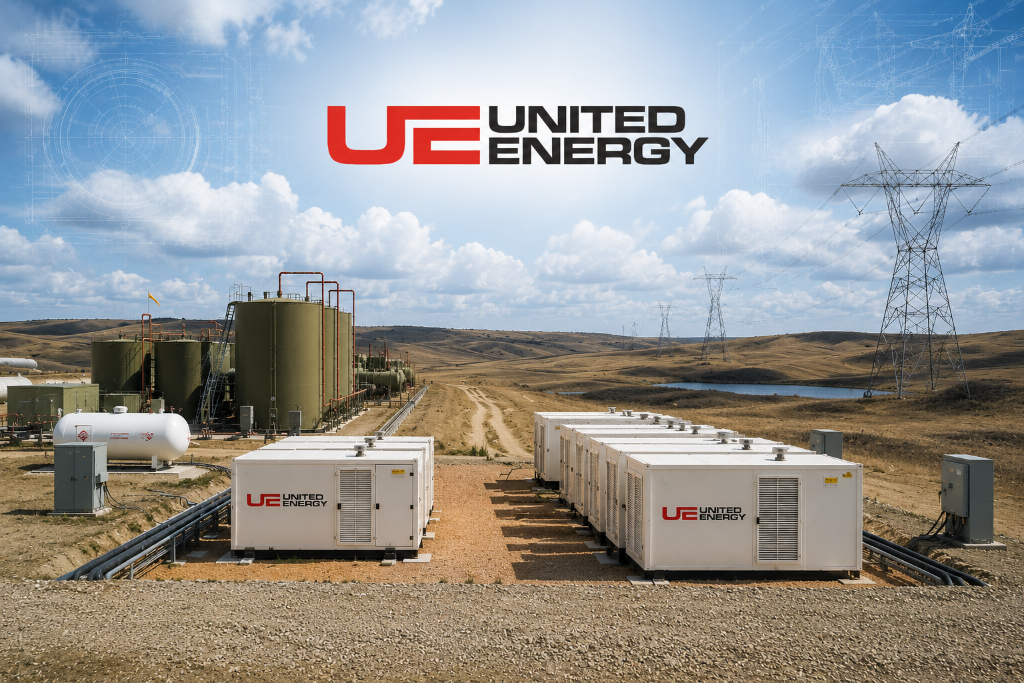
Two Architectures for Energy Supply
Every modern electricity system reflects choices made decades or even a century ago about the fundamental architecture of power supply. The dominant model worldwide is centralized generation: large power plants convert fuel to electricity, which is transmitted over high-voltage lines and distributed through local networks to millions of consumers. This model achieved remarkable economies of scale and enabled universal electrification of developed economies.
Distributed energy is a different architecture: generation equipment located at or near the point of consumption, eliminating or reducing dependence on long-distance transmission. This model is not new — factories and critical facilities have operated on-site generators for over a century. What is new is the maturity, cost-effectiveness, and scalability of distributed generation technologies that are making it a compelling primary energy strategy for a growing range of industrial and commercial users.
How Centralized Power Works
Centralized power generation concentrates production at large plants — typically 200 MW to 2,000 MW — that can achieve economies of scale in fuel conversion efficiency and operations. These plants are connected to a high-voltage transmission network that carries electricity over hundreds of miles to regional distribution systems, which deliver it at lower voltages to end consumers.
The centralized model's strengths are well established: lower cost per kWh at scale, ability to dispatch generation across a large geographic area in response to demand patterns, and massive capital investment in existing infrastructure that represents both an asset and a barrier to change.
The weaknesses are equally real: long and complex transmission paths that create multiple failure points, grid capacity constraints in congested areas, vulnerability to weather events, cyber security risks, and the fundamental inability to serve locations geographically distant from grid infrastructure.
How Distributed Energy Works
Distributed generation eliminates most of the transmission infrastructure by placing generation at the load. A natural gas generator at a data center campus, an LNG-fueled turbine at a remote oil field facility, or a microgrid serving an industrial park — these are all examples of distributed energy systems where the power path from generation to consumption is meters rather than hundreds of miles.
The strengths of distributed generation include: independence from grid reliability, ability to serve remote locations, scalability to match load growth, reduced vulnerability to grid-wide events, and in many cases, the ability to achieve higher effective reliability than the utility grid provides.
Comparative Analysis: Key Dimensions
Cost
Centralized grid power has historically been lower cost per kWh for most consumers because the capital and operating costs of large plants are distributed across many customers. For grid-connected locations with reliable grid service, distributed generation typically has higher cost per kWh than utility power for base-load applications.
The cost comparison shifts for: remote locations where grid connection cost is prohibitive, facilities requiring reliability levels the grid cannot provide, locations facing multi-year grid interconnection delays, and applications where the value of energy independence exceeds the cost premium of distributed generation.
Reliability
Modern utility grids in North America achieve approximately 99.9% availability for most customers — roughly 9 hours of outage per year. For many applications, this is adequate. For critical operations — data centers, continuous process industries, emergency services — the remaining 0.1% represents unacceptable risk.
Properly designed distributed generation systems with redundant equipment and reliable fuel supply can achieve 99.99% or higher availability, providing the additional reliability tier that grid power alone cannot guarantee.
Geographic Reach
The utility grid reaches approximately 98% of US buildings. The remaining 2% — remote industrial sites, off-grid campuses, temporary operations — must rely on distributed generation. As industrial operations expand into increasingly remote geographies, distributed energy becomes not a choice but a necessity.
Scalability
Distributed generation scales with demand in ways that centralized infrastructure cannot. Adding a generator at a facility takes weeks to months; adding transmission capacity takes years and requires large capital investment regardless of the incremental scale needed.
The Hybrid Approach
For many industrial facilities, the optimal solution is a hybrid: grid power as the primary supply for cost efficiency, supplemented by distributed generation for peak shaving, backup, and demand charge reduction. United Energy's Energy Fulfillment™ platform is designed to serve both pure distributed and hybrid energy applications.
Key Takeaways
- Centralized grid power is lower cost per kWh at scale but has geographic limitations and reliability constraints
- Distributed generation places production at the consumption point, eliminating transmission dependence
- Cost comparison favors centralized power for most grid-connected applications; distributed generation is compelling for remote, critical, and delay-constrained situations
- Hybrid approaches combining grid and distributed generation optimize cost and reliability for many industrial facilities
- Grid capacity constraints and interconnection delays are shifting the cost comparison toward distributed generation in congested markets
Is distributed energy always more expensive than grid power?
Not necessarily. For remote locations without grid access, distributed generation is the only option. For locations where grid connection requires substantial infrastructure investment, distributed generation may be cost-competitive. For high-reliability applications, the cost premium of distributed generation is often justified by the value of reliability.
Can a facility operate on both distributed generation and grid power?
Yes. Grid-connected distributed generation is common — the facility receives power from both the utility grid and on-site generators. This hybrid approach can optimize cost (using the lower-cost source at any given time) while maintaining the reliability backup that distributed generation provides.
What is the efficiency of distributed generation compared to centralized plants?
Large centralized gas turbine combined cycle plants achieve thermal efficiencies of 55–60%. Distributed natural gas reciprocating engines typically achieve 30–45% electrical efficiency. However, distributed combined heat and power (CHP) systems that use both electrical and thermal output can achieve overall efficiencies of 70–80%, making them highly competitive with centralized generation when heat can be utilized.
Distributed Power for Industrial Operations
United Energy designs and operates distributed LNG-to-power systems for industrial, remote, and critical infrastructure applications.