
Future of LNG Infrastructure in North America
North American LNG infrastructure is entering a period of significant expansion, driven by export growth, domestic industrial demand, and the maturation of small-scale distribution networks.
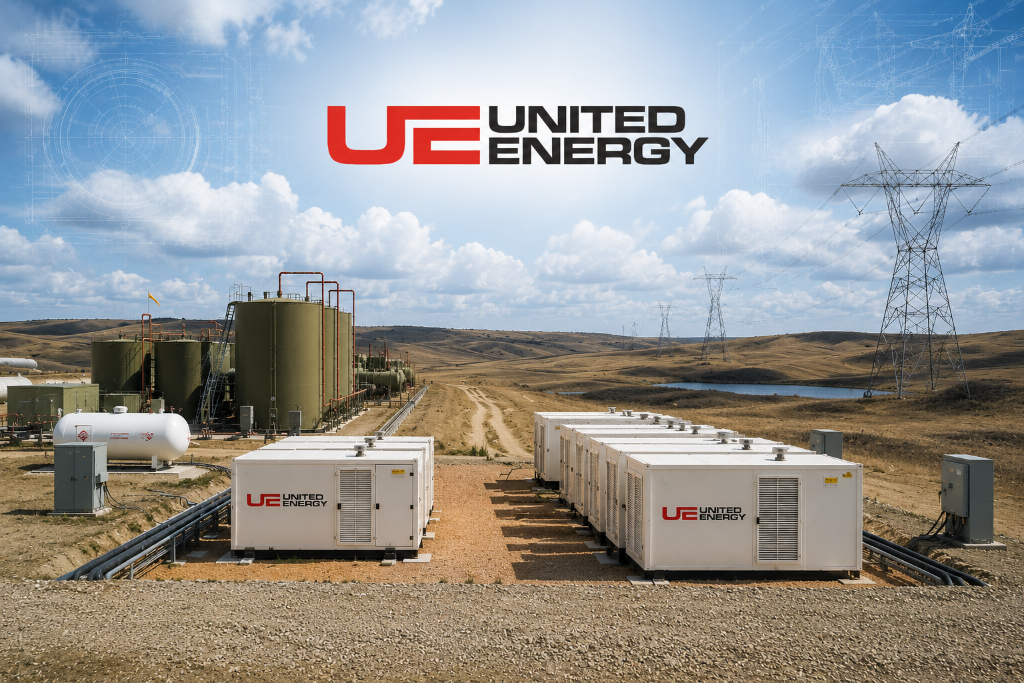
The Next Phase of North American LNG Infrastructure
North American LNG infrastructure has evolved through several distinct phases: the initial industrial and utility peak shaving era of the 1940s–1980s, the failed import terminal era of the early 2000s, the shale-driven export infrastructure buildout beginning in the 2010s, and the current phase of small-scale industrial and distributed energy LNG expansion. The next phase is being shaped by converging demand drivers that will require substantial additional infrastructure investment over the coming decade.
Export Infrastructure: Continued Expansion
US LNG export capacity has grown from zero in 2015 to over 14 Bcf/d currently, making the US the world's largest LNG exporter. Multiple additional export projects are under development or construction, targeting continued expansion driven by European energy security demand following the 2022 Russia-Ukraine conflict and Asian LNG import growth.
This export infrastructure expansion, while primarily serving international markets, has domestic significance: it creates larger liquefaction ecosystems along the Gulf Coast and supports the technology, service provider, and engineering talent base that benefits domestic small-scale LNG development.
Domestic Industrial Demand Expansion
The most significant near-term growth opportunity for domestic LNG infrastructure is the industrial market: manufacturing facilities, oil and gas operations, mining, and agricultural processing consuming diesel or propane that LNG can economically displace. As logistics networks mature, the geographic reach of economical LNG delivery expands, bringing more industrial users into the addressable market.
Data Center Power: Emerging LNG Demand Category
The emergence of AI-driven data center power demand as a major LNG consumer category is relatively recent but potentially massive in scale. Data centers consuming 100+ MW each, facing years-long grid interconnection delays, represent exactly the type of large, concentrated, long-duration LNG demand that justifies dedicated supply chain infrastructure investment. This demand category is creating new LNG market opportunities in data center clusters across Virginia, Texas, Georgia, and the Midwest.
Transportation Fuel Expansion
LNG heavy trucking, LNG marine bunkering, and LNG rail applications represent additional demand categories that are growing and broadening the LNG distribution network. As LNG vehicle and vessel fuel demand grows, fueling infrastructure expands, improving the economics and reach of the broader LNG distribution network for all users.
Technology Evolution
LNG technology continues to evolve, with smaller-scale and more cost-effective liquefaction systems entering the market. New modular liquefaction technologies can produce LNG economically at 10,000–100,000 gallons per day — scales that were not practical a decade ago — enabling distributed liquefaction closer to end users and reducing logistics distances.
Policy and Regulatory Context
The regulatory and policy environment for natural gas and LNG infrastructure involves crosscurrents. Federal permitting processes for LNG export facilities face ongoing scrutiny, but domestic small-scale industrial LNG infrastructure operates under well-established NFPA 59A frameworks without significant federal-level policy uncertainty. Natural gas's role as a bridge fuel in the energy transition has broad bipartisan support at the policy level.
United Energy's Positioning
As domestic LNG infrastructure expands, operators with established supply chains, logistics networks, and customer relationships are positioned to grow with the market. United Energy's Energy Fulfillment™ platform is designed to serve the industrial, remote, and distributed energy markets where domestic LNG demand growth is concentrated. Investor information on UNRG's infrastructure positioning is available through the investor relations section.
Key Takeaways
- US LNG export infrastructure has made the US the world's largest exporter, supporting the domestic supply ecosystem
- Domestic industrial demand for LNG is the primary growth driver for small-scale infrastructure investment
- Data center power demand is emerging as a major new LNG demand category at substantial scale
- Technology evolution enabling smaller, more cost-effective liquefaction extends geographic reach
- Natural gas infrastructure built today serves 20–50 year asset lives in markets with structural demand growth
How much new LNG export capacity is under development in the US?
As of 2024–2025, approximately 5–10 Bcf/d of additional US LNG export capacity is in various stages of development, construction, or having received regulatory approval. Actual capacity additions depend on project financing, offtake contracting, and regulatory timelines.
Will renewable energy replace natural gas in industrial applications?
Industrial process heat applications — high-temperature furnaces, kilns, chemical processes — are among the most difficult to decarbonize with current renewable technologies. Electrification of these processes requires either electric arc heating (viable for some applications but expensive for high-temperature needs) or green hydrogen (cost-prohibitive at current scales). Most scenarios include natural gas for industrial heat through at least 2040–2050.
What is the outlook for small-scale LNG liquefaction in North America?
Small-scale liquefaction capacity is growing, driven by industrial fuel demand, data center power supply, and transportation fuel markets. New modular liquefaction technologies are enabling smaller, faster-to-market facilities that serve regional industrial markets more efficiently than long-distance logistics from large coastal terminals.
How does the Henry Hub gas price environment affect LNG infrastructure investment?
LNG infrastructure investment economics are sensitive to the natural gas price outlook. At low gas prices, LNG's cost advantage over diesel is clearer, supporting demand. At high gas prices, LNG economics tighten relative to diesel. Infrastructure investors typically model a range of gas price scenarios to assess investment robustness across market conditions.
What regulatory approvals are required for new LNG facilities?
Small-scale domestic LNG storage and distribution facilities are governed primarily by state and local regulation under NFPA 59A. Large-scale liquefaction facilities for export require FERC authorization and DOE export licenses. The regulatory pathway for small-scale domestic industrial LNG is well-established and does not require federal export licensing.
Building LNG Infrastructure for the Future
United Energy Corporation is positioned in the domestic LNG infrastructure market at the intersection of the most significant structural demand growth trends.