
Investor FAQ: Distributed Energy and LNG Infrastructure
Answers to common investor questions about distributed energy infrastructure, LNG markets, and the investment characteristics of integrated energy companies like United Energy Corporation (OTCMKTS: UNRG).
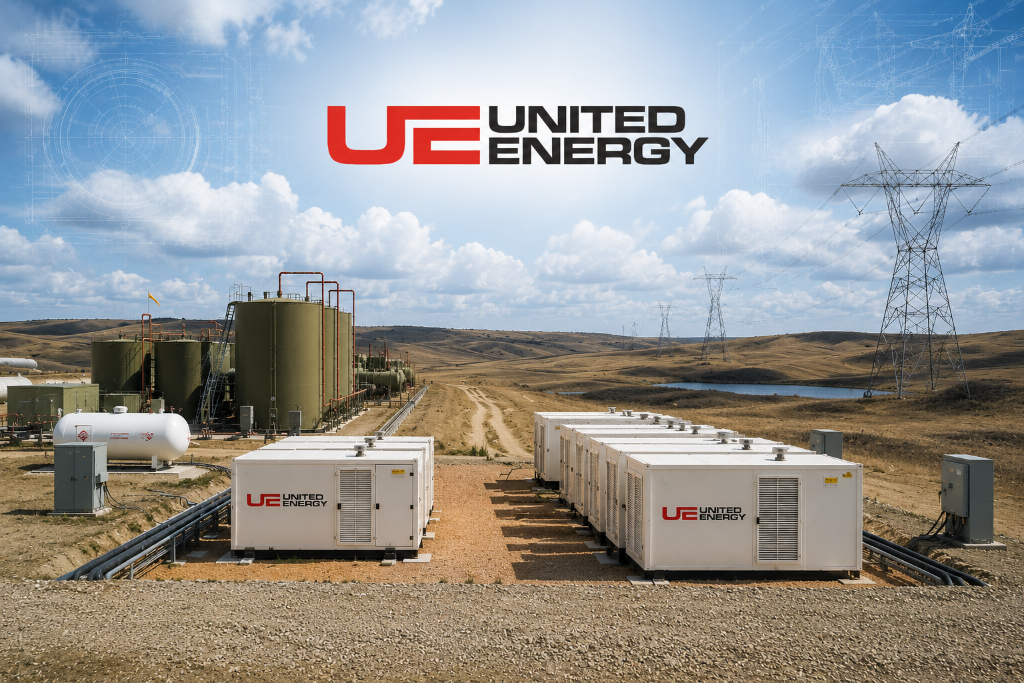
Investor FAQ: Distributed Energy and LNG Infrastructure
This FAQ addresses common questions from investors seeking to understand distributed energy infrastructure markets, LNG industry fundamentals, and the investment characteristics of integrated energy operators. For company-specific information, see United Energy's Investor Relations section and financial filings.
What is the investment thesis for distributed energy infrastructure?
The distributed energy infrastructure investment thesis is based on several structural demand drivers: explosive data center power demand exceeding grid capacity, growing industrial activity in remote locations without grid/pipeline access, ESG-driven fuel switching from diesel to cleaner natural gas, and the long-term need for energy resilience infrastructure that centralized systems cannot provide. Companies operating integrated distributed energy systems benefit from recurring service revenue, long-term customer relationships, and physical infrastructure with 20-50 year asset lives.
How large is the small-scale LNG market?
The global small-scale LNG market is valued at several billion dollars and growing at double-digit annual rates. North America's market is driven by industrial fuel switching, frac fuel demand, and remote energy applications. As infrastructure expands and logistics economics improve, the addressable market for small-scale LNG is expanding geographically and across new end-use applications.
What are the primary risks in LNG infrastructure investment?
Key risks include: commodity price risk (LNG economics depend on natural gas price differentials to alternatives), logistics and operational execution risk, customer concentration risk for smaller operators, regulatory risk, capital availability risk for infrastructure build-out, and competition from other energy providers or technologies. Integrated operators with long-term customer contracts and diversified customer bases are generally better positioned to manage these risks.
What financial metrics are most relevant for evaluating energy infrastructure companies?
Relevant metrics include: EBITDA and EBITDA margins (reflecting cash generation from operations), debt/EBITDA ratio (leverage), contracted versus spot revenue mix (revenue quality and predictability), customer retention rates, unit economics per delivery or per customer, and return on invested capital. Infrastructure-focused investors typically weight revenue stability and cash conversion heavily.
How does LNG pricing work and how does it affect margins?
LNG delivered cost consists of gas commodity (typically Henry Hub-indexed), liquefaction cost, and logistics cost. Customer pricing may be fixed, indexed, or cost-plus. Operators who manage commodity price exposure effectively — through back-to-back procurement and customer contracts with appropriate price pass-through provisions — reduce commodity price impact on margins.
What is the relationship between data center growth and LNG infrastructure demand?
Data center operators facing grid interconnection delays are increasingly investing in on-site distributed generation. LNG is the fuel of choice for large-scale backup and prime power natural gas generators. As data center power demand grows and grid constraints persist, LNG infrastructure operators that can serve this market benefit from a secular demand tailwind.
What is OTC trading and how does it affect liquidity for UNRG shares?
OTC (Over-the-Counter) markets provide trading in securities not listed on major exchanges. OTC-traded stocks typically have lower liquidity than exchange-listed equivalents, with wider bid-ask spreads. Investors should understand OTC market mechanics, including the role of market makers and the importance of disclosure quality in OTC markets, before investing in OTC-listed securities.
How do long-term customer contracts reduce investment risk?
Long-term contracts provide revenue visibility and reduce the variability associated with spot market pricing. For infrastructure businesses with high capital intensity, contracted revenue streams support debt service and provide return predictability that attracts lower-cost financing. Customer relationships established through long-term contracts also have strategic value beyond their contractual period.
What role does natural gas play in the energy transition?
Most credible energy transition scenarios include natural gas as a significant component of the energy mix through 2050 and beyond for industrial and power applications where the practical alternatives are immature or economically infeasible. Natural gas serves as a 'bridge fuel' — providing cleaner energy than coal and diesel while renewable and storage technologies continue developing.
Where can I find United Energy Corporation financial information?
United Energy Corporation (OTCMKTS: UNRG) financial information, including filings with OTC Markets and company presentations, is available through the Investor Relations section at unitedenergyco.com/investors and through OTC Markets at otcmarkets.com. The company's financial disclosures are filed under the UNRG ticker symbol.
United Energy Corporation Investor Information
Review United Energy Corporation's investor relations materials, financial filings, and company presentations at our investor relations page.