
LNG on Frac Sites: Fuel Solutions for Completion Operations
Hydraulic fracturing operations consume enormous quantities of fuel to power pumping equipment. LNG is emerging as a cost-effective, lower-emission alternative to diesel for well completion operations.
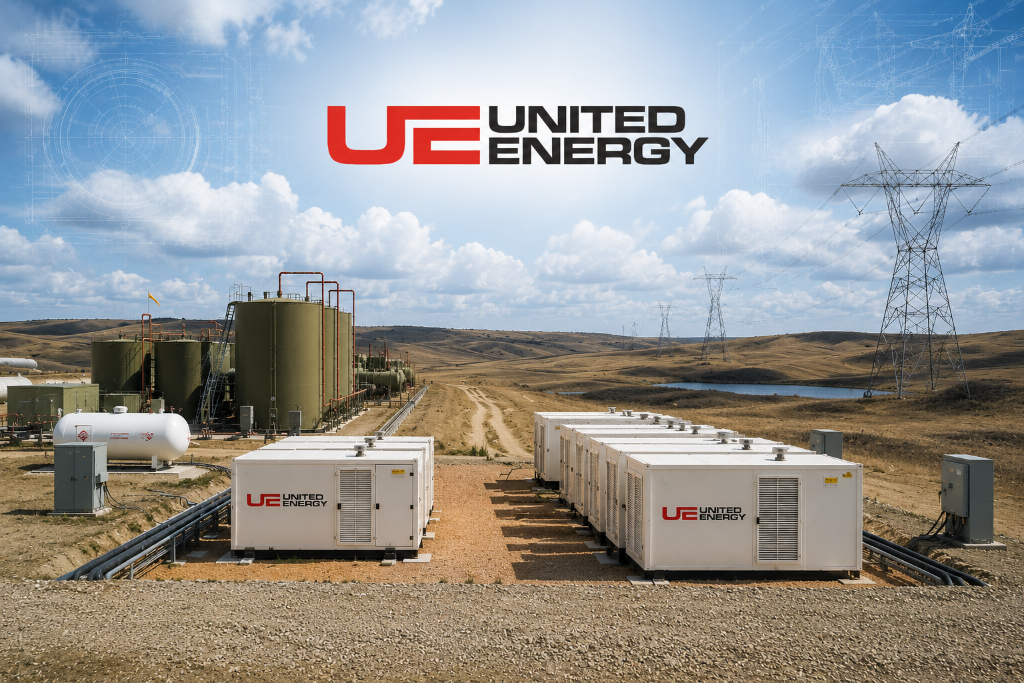
Fuel Demand at Frac Sites
A modern hydraulic fracturing operation is one of the most fuel-intensive activities in the energy sector. A high-horsepower frac spread — the collection of pumping equipment, blenders, data vans, and support systems required to complete a well — can consume 10,000 to 30,000 gallons of diesel fuel per day during active pumping operations. At scale, across an active frac fleet working dozens of wells per month, fuel cost is one of the largest variable operating expenses in completion operations.
The oil and gas industry's adoption of LNG as a frac site fuel has been driven by straightforward economics: natural gas priced at Henry Hub levels is significantly cheaper than diesel on a BTU-equivalent basis in most operating conditions, and the infrastructure to deliver LNG to remote frac sites has matured substantially over the past decade.
LNG Dual-Fuel Technology for Frac Pumps
Most LNG-for-fracking applications use dual-fuel technology rather than full natural gas conversion. In dual-fuel systems, diesel engines are modified to substitute a portion of their diesel consumption with natural gas, with diesel retained as a pilot fuel and for high-load conditions where gas substitution may be limited.
Substitution rates in dual-fuel frac pump applications typically range from 30% to 70% diesel displacement, depending on engine type, load factor, and operational conditions. At high substitution rates, dual-fuel operations deliver meaningful fuel cost reductions while retaining operational flexibility to revert to full diesel operation if the LNG supply chain is disrupted.
Tier 4 DGB and Electric Frac
Beyond dual-fuel retrofits, newer generations of frac equipment incorporate purpose-designed natural gas burning technology. Tier 4 DGB (Dual Fuel Gas/Diesel) engines achieve higher gas substitution rates with lower emissions. Electric frac systems powered by natural gas turbine generators represent the current leading edge of low-emission completion technology.
LNG Logistics at Frac Sites
LNG delivery to active frac sites presents logistical challenges distinct from permanent facility supply. Frac operations are inherently mobile — a spread may move to a new pad location every few days to weeks. LNG supply chains for frac operations must be able to follow this mobility, maintaining consistent delivery regardless of pad location.
Key logistics requirements for frac site LNG supply include:
- Flexible delivery routing: Supply chain must reach remote pad locations on often-poor road surfaces
- Sufficient storage capacity: On-site storage must buffer against delivery timing variability while the spread is in active pumping
- Coordinated scheduling: LNG delivery must integrate with frac crew schedules to avoid disrupting operations
- Emergency supply protocols: Contingency supply sources to prevent supply disruption mid-job
United Energy's field operations capability is specifically designed for the demanding logistics requirements of E&P support operations.
Economic Case for LNG on Frac Sites
The fuel economics of LNG versus diesel for frac operations are compelling at scale. For a frac spread consuming 15,000 gallons of diesel per day, even a 50% diesel displacement rate saves 7,500 gallons per day. At a $1.00/gallon price differential between LNG and diesel on a BTU-equivalent basis (a reasonable assumption in normal market conditions), daily savings of $7,500 represent approximately $2.7 million annually per frac spread.
For an E&P company operating multiple frac spreads over a full development program, LNG adoption can represent tens of millions of dollars in fuel cost savings — a significant factor in overall well economics.
Environmental Benefits
Beyond economics, LNG adoption in frac operations delivers meaningful environmental benefits:
- Reduced CO2 emissions proportional to diesel displacement
- Near-elimination of black carbon and particulate emissions from natural gas combustion
- Reduced noise in some system configurations compared to diesel-only operations
- Lower diesel fuel spill risk at the well site
These environmental benefits are increasingly relevant to E&P companies operating under ESG commitments and emissions reporting requirements.
Key Takeaways
- Frac sites consume 10,000–30,000 gallons of diesel per day — making fuel cost a major completion operations variable
- Dual-fuel LNG/diesel systems achieve 30–70% diesel displacement with retained operational flexibility
- LNG logistics for frac must accommodate mobile operations across remote pad locations
- Economics at scale are compelling: multi-million dollar annual fuel savings per spread are achievable
- ESG and emissions benefits provide additional justification for LNG adoption in completion operations
Can all frac pumps be converted to run on LNG?
Most modern diesel frac pump engines can be adapted for dual-fuel LNG/diesel operation. The feasibility depends on engine manufacturer, model year, and configuration. Purpose-built natural gas frac pumps and electric frac systems offer higher gas utilization rates but require greater capital investment.
How is LNG stored at an active frac site?
LNG at frac sites is typically stored in portable cryogenic tanks — either trailer-mounted for mobility or skid-mounted for semi-permanent placement. Tank sizes are matched to the frac spread's consumption rate and delivery frequency to maintain adequate supply buffer without excessive capital in storage equipment.
What happens to LNG supply when the frac spread moves to a new location?
Moving frac operations require logistics coordination with the LNG provider to redirect deliveries to the new pad location. Well-managed LNG supply chains plan for pad moves in advance, with delivery routing updated and first deliveries to the new location timed to coincide with spread arrival and commissioning.
Is LNG dual-fuel technology proven in frac applications?
Yes. LNG dual-fuel technology for frac applications has been commercially deployed for over a decade and has accumulated substantial operational hours across numerous E&P operators and service companies. The technology is mature and proven in demanding field conditions.
What is the minimum job size that justifies LNG logistics setup?
LNG logistics setup for frac operations involves fixed costs (equipment mobilization, tank delivery) that must be amortized over job duration. Generally, jobs of 30 days or longer at high consumption rates provide clear economic justification for LNG setup costs.
LNG Fuel Supply for E&P Operations
United Energy provides LNG supply and logistics for completion operations, remote facilities, and field operations across major producing basins.