
Reducing Diesel Dependence in Oil and Gas
Oil and gas operations have historically consumed enormous quantities of diesel. LNG and natural gas alternatives are offering E&P companies a path to lower fuel costs and reduced emissions.
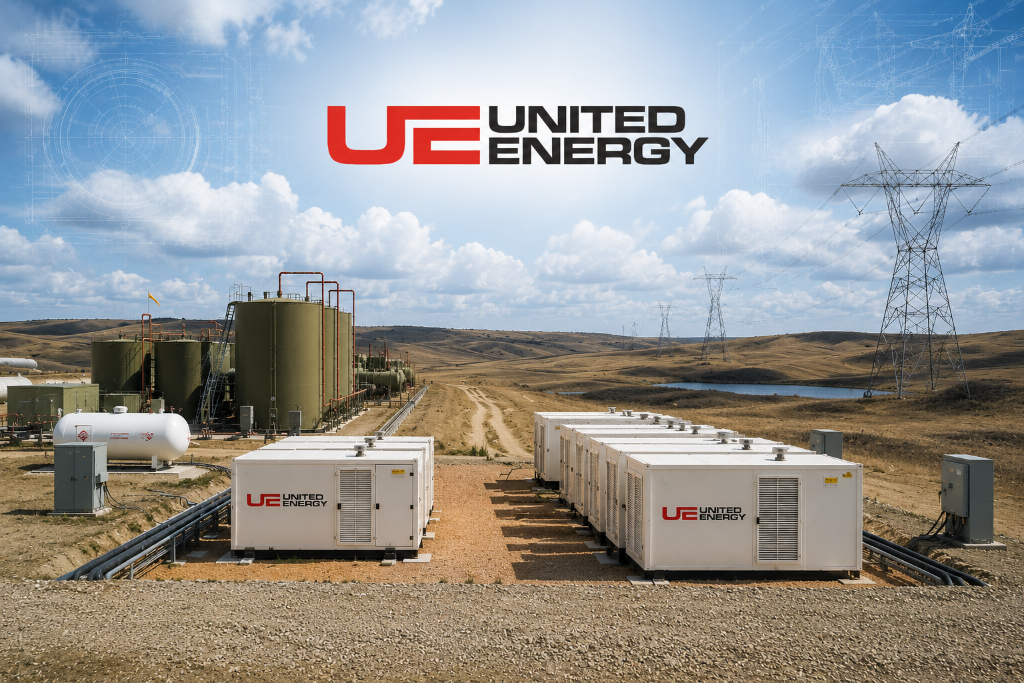
The Diesel Dependency Problem in E&P Operations
Upstream oil and gas operations have historically been among the largest industrial consumers of diesel fuel. Drilling rigs, hydraulic fracturing equipment, produced water hauling trucks, field generators, and facility support equipment collectively consume enormous fuel volumes across active basins. In the Permian Basin alone, daily diesel consumption from E&P operations has been estimated in the tens of millions of gallons.
This diesel dependency creates multiple challenges for E&P operators:
- Cost exposure: Diesel prices fluctuate with crude oil markets, creating fuel cost volatility that is difficult to hedge effectively
- ESG and emissions pressure: Institutional investors and major customers are increasing scrutiny of Scope 1 emissions from operational fuel consumption
- Supply chain complexity: Diesel logistics to remote locations require standard fuel trucks, storage, and management at scale
- Regulatory trajectory: Permitting environments in some jurisdictions are increasingly unfavorable to diesel-heavy operations
LNG as the Primary Diesel Alternative in E&P
LNG has emerged as the primary practical alternative to diesel in oil and gas operations for the same reasons it works in other industrial applications: lower cost per BTU in normal gas market conditions, substantially lower emissions, and a supply chain that has matured to serve remote oilfield locations reliably.
The key applications where LNG displacement of diesel is occurring:
Frac Pump Dual-Fuel
Hydraulic fracturing operations represent the largest single diesel consumption category in completion operations. Dual-fuel frac pump technology substitutes natural gas (from LNG) for a portion of diesel consumption in frac pump engines, achieving 30–70% diesel displacement. See: LNG on Frac Sites for detailed analysis.
Drilling Rig Power
Modern electric drive drilling rigs require large generators — typically multiple megawatt-scale units — to power top drives, drawworks, mud pumps, and rig services. Converting rig generators from diesel to natural gas or LNG can displace significant diesel volumes for rigs on extended well programs.
Field Facility Power
Production facilities — central tank batteries, gas gathering compression, water injection, and accommodation camps — require continuous power that has traditionally been provided by diesel generators. LNG-fueled generators with on-site storage provide equivalent or superior reliability at lower operating cost.
Produced Water Hauling Fleet Conversion
In major basins, produced water hauling trucks collectively consume large diesel volumes. LNG-fueled heavy trucks are available from major OEMs and are in service in multiple markets, though adoption in produced water hauling specifically requires LNG fueling infrastructure at key locations.
ESG Driver: Quantifying Emissions Reductions
For E&P companies managing Scope 1 GHG emissions reporting, diesel-to-LNG conversions provide quantifiable and verifiable emissions reductions. Natural gas combustion produces approximately 25–30% less CO2 per unit of energy than diesel, and essentially eliminates black carbon (soot) emissions — a potent short-lived climate pollutant that is increasingly measured and reported.
E&P operators can model expected emissions reductions from fuel switching using published emissions factors, creating trackable decarbonization progress that can be reported to investors and stakeholders.
Economic Case Summary
For E&P operators, the fuel cost savings from diesel-to-LNG conversion depend on: consumption volume, diesel vs. LNG price differential at the time of evaluation, and logistics costs for LNG supply to the specific basin and pad locations. High-consumption operators at scale in basins with established LNG logistics (Permian, Eagle Ford, Haynesville) have the strongest economic case.
United Energy's oil and gas solutions are designed for the specific logistics and operational requirements of E&P field operations.
Key Takeaways
- E&P operations are among the largest industrial diesel consumers, with frac, drilling, and facility power representing the major consumption categories
- Dual-fuel LNG technology is mature and proven for frac pump applications
- ESG reporting requirements are creating additional motivation beyond pure economics for diesel reduction
- Basin-specific logistics economics determine the viability of LNG for specific operations
- Natural gas combustion reduces CO2 by 25–30% and eliminates black carbon emissions versus diesel
How much diesel does a typical frac operation consume?
A modern hydraulic fracturing spread consuming diesel for pumping equipment may use 10,000–30,000 gallons per day during active pumping operations. On a full well program of 30–60 days per location, total diesel consumption per pad can reach hundreds of thousands of gallons.
What is the payback period for converting to LNG on a frac spread?
Payback periods depend on fuel cost differential, conversion equipment cost, and consumption volume. For high-consumption spreads in markets with established LNG logistics, payback periods of 6–18 months are common for dual-fuel conversion investments.
Are LNG-fueled drilling rigs commercially available?
Natural gas-capable drilling rigs are available from major rig OEMs. In markets with pipeline access at drilling locations, gas engines are commonly used. In remote areas without pipeline, LNG supply enables gas-fueled rig operations. Several operators have successfully demonstrated LNG-fueled rig operations in North American basins.
How does LNG logistics work in active drilling basins?
In active basins, regional LNG liquefaction facilities supply cryogenic truck fleets that deliver to pad locations. The logistics model is similar to diesel hauling but requires specialized cryogenic equipment and routing to minimize distance from LNG source. United Energy's field operations experience includes basin-level LNG logistics management.
Do natural gas engines perform equivalently to diesel in harsh oilfield conditions?
Modern natural gas engines designed for oilfield applications are engineered for the harsh operating conditions of remote oil and gas sites. They require cold weather packages in northern climates and appropriate maintenance programs, but are proven in demanding E&P applications across North American basins.
LNG Solutions for Oil and Gas Operations
United Energy provides LNG fuel supply and field operations support for E&P operators reducing diesel dependence across producing basins.