
LNG Fueling for Remote Operations
Remote industrial operations present unique energy supply challenges. LNG has emerged as the preferred fuel for remote sites that require reliable, cost-effective energy without pipeline access.
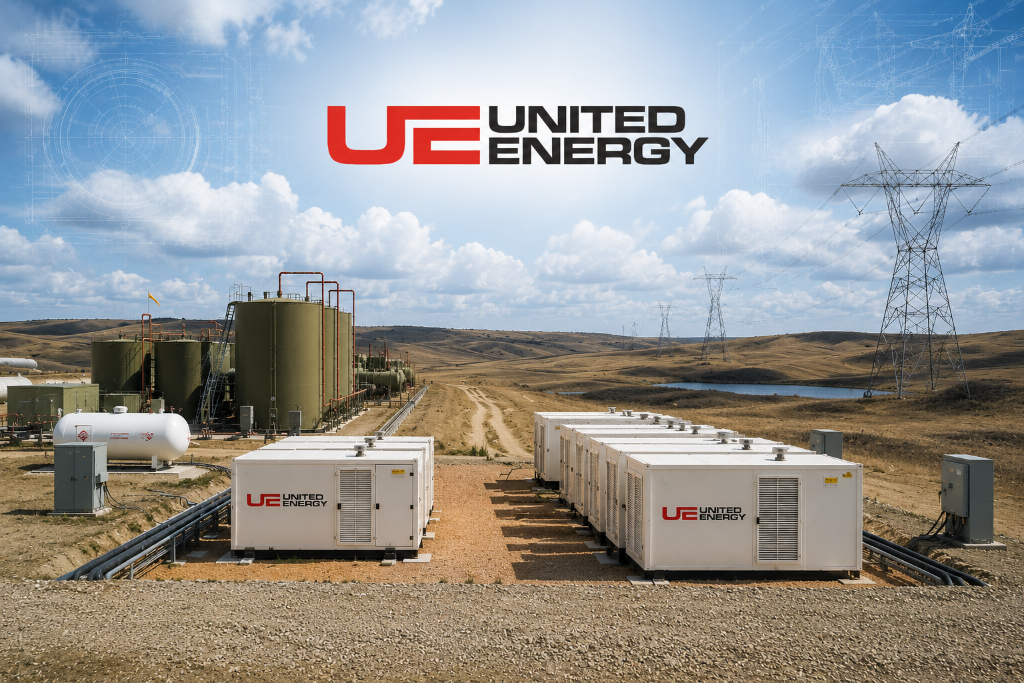
Energy Supply at the Edge of Infrastructure
Remote industrial operations — oil and gas production sites, mining operations, construction projects, telecommunications infrastructure, and agricultural processing facilities in rural areas — share a common challenge: they need reliable energy to operate, but they exist beyond the reach of the utility grid and natural gas pipeline network. For these operations, energy supply must be self-contained, reliable under harsh conditions, and manageable with the personnel and logistics resources available in remote environments.
For decades, diesel was the default answer for remote energy supply. The universal availability of diesel and the simplicity of standard fuel tanks made it the lowest-friction option. That calculus has shifted as small-scale LNG logistics have matured. LNG now offers remote operators a reliable, lower-cost, and lower-emission alternative to diesel for applications consuming significant fuel volumes.
Why Remote Operations Choose LNG
Cost at Scale
Remote operations often consume fuel at high rates — a remote oil field facility with multiple generators, process heaters, and camp facilities can burn 10,000–50,000 gallons of diesel equivalent per month. At this consumption scale, LNG's lower cost per BTU translates to significant monthly savings. The logistics cost of LNG delivery to a remote location adds to the delivered price, but for high-consumption operations, this premium is typically more than offset by the commodity cost advantage.
Extended Runtime Capability
On-site LNG storage can hold days to weeks of fuel inventory, providing operational security in remote locations where delivery timing is less certain than in urban logistics environments. A well-designed LNG storage system at a remote site provides a substantially larger operational buffer than typical diesel storage under local fire code constraints.
Lower Emissions in Sensitive Environments
Many remote industrial operations — particularly in Alaska, the Canadian north, and pristine basin environments — face regulatory and social scrutiny regarding air quality and emissions. LNG-fueled operations produce substantially lower NOx, particulate matter, and black carbon emissions than diesel, which can simplify permitting and improve community relations.
Logistics Considerations for Remote LNG
LNG delivery to remote operations requires careful logistics planning:
- Road access assessment: Confirm that roads to the site can accommodate heavy cryogenic tanker trucks (80,000 lb GVW). Seasonal road restrictions, bridge weight limits, and road surface conditions must all be evaluated.
- Delivery frequency and distance: Remote sites farther from LNG sources need larger storage capacity to buffer longer delivery intervals. Sites accessible only during certain seasons require bulk delivery during access windows.
- Cold weather operations: LNG logistics equipment must be rated for the expected temperature range, including extreme cold weather packages for trucks and on-site equipment in arctic and subarctic climates.
- Emergency supply protocols: Remote operations should have documented contingency plans for supply disruptions, including alternative supply sources and minimum inventory thresholds that trigger emergency orders.
United Energy's field operations capabilities include remote site LNG supply management designed for the demands of off-grid industrial environments.
LNG-to-Power for Remote Sites
Combining LNG storage with distributed power generation creates a complete off-grid energy system. Gas from regasified LNG fuels generators that provide continuous electrical power to the remote facility, eliminating dependence on both the grid and diesel. The integrated Energy Fulfillment™ model is particularly well-suited to permanent or long-duration remote operations.
Key Takeaways
- Remote operations consuming 10,000+ gallons per month diesel equivalent benefit most from LNG adoption
- Larger on-site storage buffers are appropriate for remote sites with less frequent or seasonal delivery access
- Road access assessment is an essential first step in evaluating LNG feasibility for remote locations
- LNG-to-power systems combining storage, regasification, and distributed generation eliminate both grid and pipeline dependence
- Cold weather packages for LNG equipment are standard requirements in arctic and subarctic remote operations
What is the minimum consumption volume that justifies LNG at a remote site?
Remote LNG economics depend on the delivered cost differential versus diesel and the logistics cost to reach the site. As a general guideline, operations consuming more than 20,000–30,000 gallons of diesel equivalent per month typically show clear economic justification when a reliable LNG supply chain can be established.
Can LNG be delivered by helicopter to very remote sites?
Small quantities of LNG can be transported by helicopter using ISO containers or specialized cryogenic vessels for sites with no road access. This is a niche application with high logistics cost, typically justified only for very high-value operations in locations without alternative access.
How does LNG perform in arctic conditions?
LNG is stored at -260°F, so it is inherently unaffected by ambient cold temperatures. LNG equipment, including trucks, storage tanks, and vaporizers, is available with cold weather packages designed for arctic operating conditions. Natural gas generators also have cold weather packages available.
How is waste heat managed at remote LNG-to-power sites?
Natural gas generators produce significant waste heat in their exhaust and cooling systems. At remote sites, this heat can be utilized for facility heating, process heat applications, or absorbed by cooling systems. Combined heat and power (CHP) configurations maximize fuel efficiency by using both electrical output and thermal energy.
What are the staffing requirements for a remote LNG system?
Remote LNG systems can be designed for semi-autonomous operation with periodic technician visits rather than continuous on-site staffing. Remote monitoring and control systems allow LNG operators to track tank levels, equipment status, and alarms from a central operations center. Regular preventive maintenance visits are required per equipment manufacturer specifications.
LNG Energy Supply for Remote Operations
United Energy provides integrated LNG supply and distributed power for remote industrial sites beyond the reach of pipeline and grid infrastructure.