
Remote Power FAQ
Answers to the most common questions about remote power — off-grid energy systems, LNG fueling, power generation options, and managing energy supply at remote industrial sites.
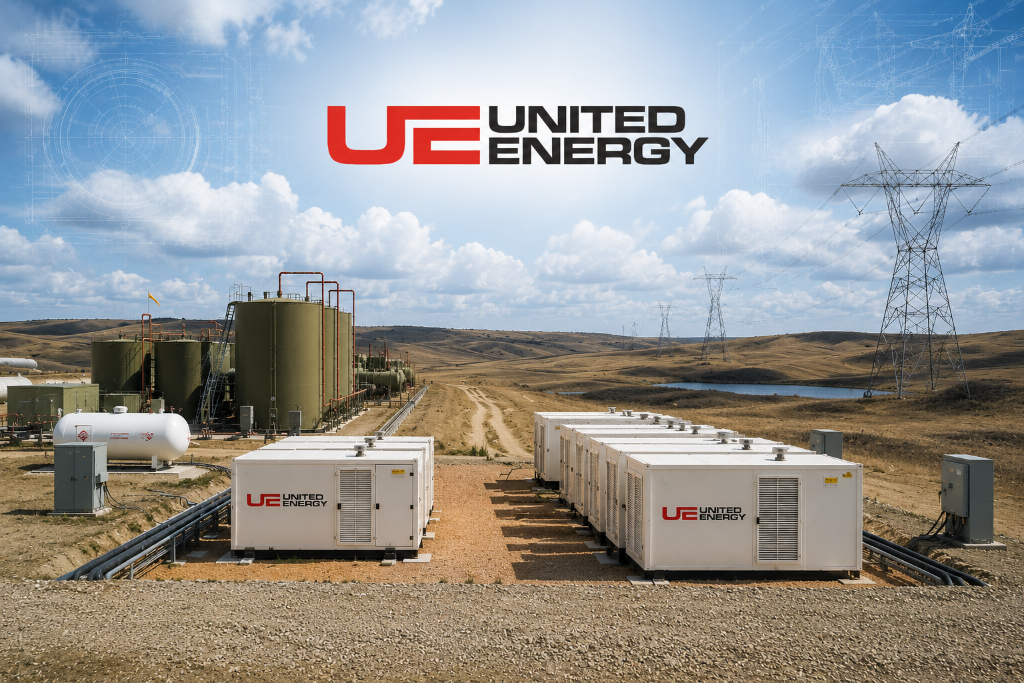
Frequently Asked Questions About Remote Power
Remote power challenges are among the most demanding in industrial energy management. Without grid connection or pipeline access, remote operations must be completely self-sufficient in energy supply. These questions address the key topics for operators planning, deploying, or managing remote power systems.
See also: Remote Site Energy Solutions and LNG Fueling for Remote Operations.
What defines a 'remote' power application?
A remote power application is one where grid electrical supply and/or pipeline gas supply is not practically available — either because the site is geographically distant from grid infrastructure, connection costs are prohibitive relative to the project's duration and scale, or the grid reliability in the region is insufficient for the operation's requirements.
What are the main fuel options for remote power generation?
The primary fuel options are: diesel (universally available, simple logistics, but expensive and emissions-intensive), LNG (cleaner, lower cost per BTU at scale, requires cryogenic logistics), propane (viable for smaller applications), and in some cases, hybrid systems combining fossil fuel generation with solar or battery storage.
How is LNG delivered to remote sites?
LNG is delivered by cryogenic tanker truck to on-site storage tanks. This requires truck-accessible roads, which is available at most permanent or semi-permanent industrial sites. Very remote locations may require helicopter delivery (small containers) or construction of access roads as part of site development.
How do remote power systems handle extreme cold weather?
Well-designed remote power systems are engineered for the expected temperature extremes at the site. Natural gas/LNG generators are cold-weather-rated. LNG performs well in cold conditions (the liquid is already at -260°F). Diesel can gel at extreme temperatures. Cold weather packages including engine preheaters, battery trickle chargers, and insulated enclosures are standard for remote cold-climate operations.
What generator capacity is needed for a remote industrial site?
Generator sizing depends on site load profile: peak demand, continuous demand, and the specific equipment to be powered. Proper sizing includes: all operational loads, HVAC, lighting, instrumentation, and margin for startup surges and future load growth. Redundant capacity (N+1 minimum) is standard practice for remote sites where equipment failure has high consequence.
How often do LNG deliveries need to be made to a remote site?
Delivery frequency depends on consumption rate and on-site storage capacity. For continuous remote operations, storage sizing of 7–14 days consumption is typical, with deliveries scheduled to maintain minimum inventory levels. Tank telemetry allowing remote inventory monitoring enables proactive scheduling.
What happens when a remote power generator fails?
Emergency response procedures should be in place before deploying to a remote site. This includes: maintaining N+1 redundant generation capacity so a single generator failure doesn't cause total blackout, having spare parts on-site for common failure modes, maintaining service contracts with emergency response capability, and in some cases, maintaining a small mobile spare generator.
Is solar power practical for remote industrial sites?
Solar can supplement remote power systems in appropriate climates and applications, but it is generally not suitable as the sole power source for industrial sites due to intermittency and the scale of power required. Hybrid diesel/LNG + solar systems can reduce fuel consumption in sunny climates but require careful design to maintain operational reliability.
How do I plan fuel logistics for a remote site?
Fuel logistics planning for remote sites should address: site access assessment (road capability for tanker trucks, seasonal restrictions), consumption modeling (estimated fuel use per operating day), storage capacity sizing (target inventory levels and delivery frequency), supplier selection (coverage, reliability, contingency), and winter/adverse weather planning.
What is the typical cost structure for remote power?
Remote power costs include: capital costs (generator equipment, fuel storage, site preparation, electrical distribution), fuel costs (often the largest operating cost component), operations and maintenance (either in-house or contracted service), and logistics costs (delivery and storage management). LNG can reduce the fuel cost component substantially versus diesel at adequate consumption volumes.
Remote Power Solutions from United Energy
United Energy provides complete remote energy solutions — LNG fuel supply, distributed generation, and field operations for off-grid industrial sites.