
Natural Gas Infrastructure Overview
Natural gas infrastructure spans production wells through hundreds of thousands of miles of pipelines to industrial and residential consumers. This overview explains the key components.
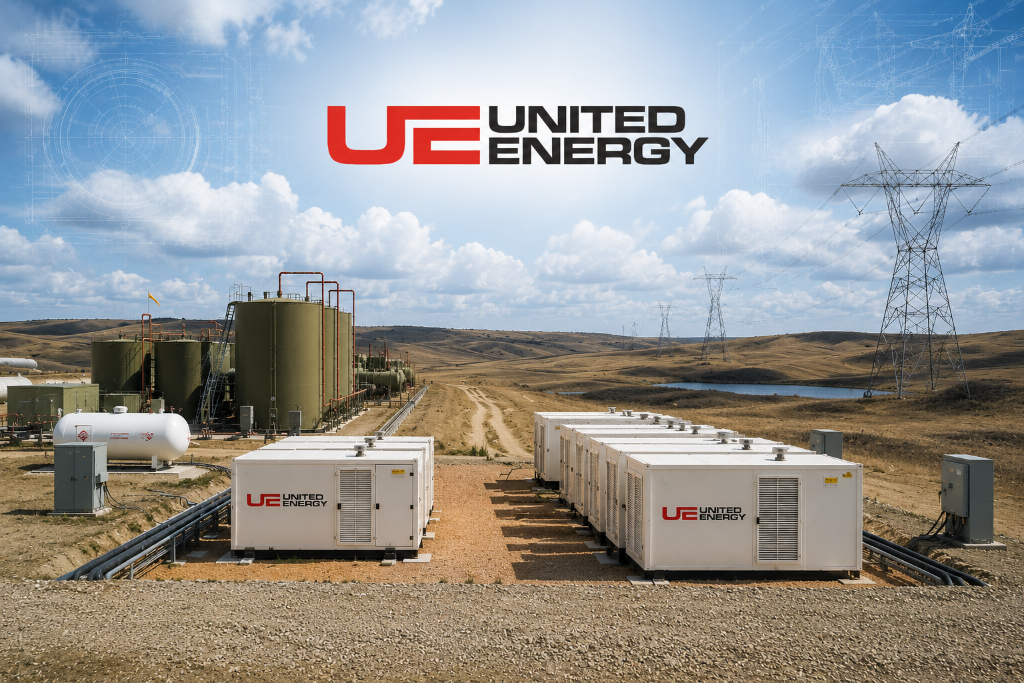
The Natural Gas Infrastructure System
The United States natural gas infrastructure is one of the largest and most complex energy systems in the world. Approximately 3 million miles of pipelines, thousands of processing plants, hundreds of compressor stations, dozens of underground storage facilities, and a growing fleet of LNG facilities collectively deliver over 30 trillion cubic feet of natural gas per year to industrial, commercial, and residential consumers.
Understanding this infrastructure — how it is organized, where it can be constrained, and how LNG fits into it — is essential context for industrial energy managers and energy infrastructure investors.
Gathering Systems
Gathering pipelines collect natural gas directly from wellheads and transport it to processing facilities or transmission pipelines. Gathering systems operate at relatively low pressures and serve specific production areas. In major shale plays (Marcellus, Permian, Haynesville), extensive gathering networks serve thousands of individual well pads.
Gas Processing
Natural gas from wells must be processed before it can enter the transmission system. Processing removes water vapor, carbon dioxide, hydrogen sulfide, and heavier hydrocarbons (NGLs). The resulting 'dry' methane-rich gas meets pipeline quality specifications. Processing plants are located throughout producing regions.
Interstate Transmission Pipelines
Interstate transmission pipelines carry large volumes of gas from producing regions to consuming markets at high pressures. Major systems include: Transcontinental Gas Pipeline (Transco), Texas Eastern Transmission (TETCO), Tennessee Gas Pipeline, and Williams Northwest Pipeline. These are regulated by FERC as interstate pipelines and serve as the backbone of the US gas supply system.
Intrastate Pipelines
Intrastate pipelines operate within single states and are regulated by state commissions rather than FERC. They connect to interstate systems and serve regional distribution. Texas, Louisiana, and California have large intrastate pipeline systems due to their size and production/consumption patterns.
Local Distribution Companies (LDCs)
LDCs receive gas from transmission pipelines at 'city gate' stations and deliver it to end consumers through local distribution networks at reduced pressures. LDCs serve residential, commercial, and smaller industrial customers. Industrial customers requiring large volumes often take service directly from interstate or intrastate pipelines rather than through LDC systems.
Underground Storage
The US has approximately 400+ underground gas storage facilities — depleted reservoirs, aquifers, and salt caverns — with total working gas capacity of approximately 4 trillion cubic feet. Underground storage enables the gas system to buffer seasonal demand swings between summer injection and winter withdrawal periods.
LNG as a Complement to Pipeline Infrastructure
LNG infrastructure — small-scale liquefaction, truck transport, and on-site storage — complements the pipeline system by serving locations beyond pipeline reach. Where pipelines cannot economically justify construction for the available demand, LNG provides a practical alternative. United Energy's Energy Fulfillment™ platform operates in this off-pipeline market, providing natural gas supply where pipelines don't go.
Key Takeaways
- US natural gas infrastructure spans gathering, processing, transmission, distribution, and storage components
- Interstate transmission pipelines are the backbone of the US gas supply system, regulated by FERC
- Underground storage provides seasonal buffering capacity for the pipeline system
- LNG infrastructure provides natural gas access beyond the pipeline network's economic reach
- Understanding pipeline infrastructure constraints helps industrial operators identify LNG supply opportunities
Who regulates US natural gas pipelines?
Interstate natural gas pipelines are regulated by the Federal Energy Regulatory Commission (FERC), which oversees pipeline rates, terms of service, and access. Intrastate pipelines are regulated by state public utility commissions. Local distribution companies are regulated by state utility commissions.
What causes pipeline capacity constraints?
Pipeline capacity constraints occur when demand for transportation service exceeds pipeline physical capacity. Constraints are most common on pipes serving high-demand markets during winter, on corridors with limited competition (monopoly pipes), and in areas where production has grown faster than gathering and processing capacity.
Can industrial facilities connect directly to interstate transmission pipelines?
Large industrial users can take service directly from interstate or intrastate transmission pipelines, bypassing the LDC distribution network. This requires negotiating transportation service with the pipeline company and meeting the technical requirements for high-pressure gas interconnection. Direct service is typically more economical for large-volume users.
How does LNG storage compare to underground storage?
Underground storage (depleted reservoirs, salt caverns) provides massive volume at relatively low cost for seasonal storage applications. LNG storage provides on-site liquid storage that can be located anywhere, vaporized rapidly for peak-day delivery, and sized to match local needs. LNG storage complements underground storage for peak shaving and off-pipeline supply applications.
Natural Gas Supply Beyond the Pipeline
United Energy provides LNG-based natural gas supply for industrial and commercial users located beyond the reach of pipeline infrastructure.