
Natural Gas Supply Fundamentals
Natural gas is the most widely used fuel in American industry and the foundation of distributed energy systems. Understanding how natural gas supply works is essential for any energy infrastructure professional.
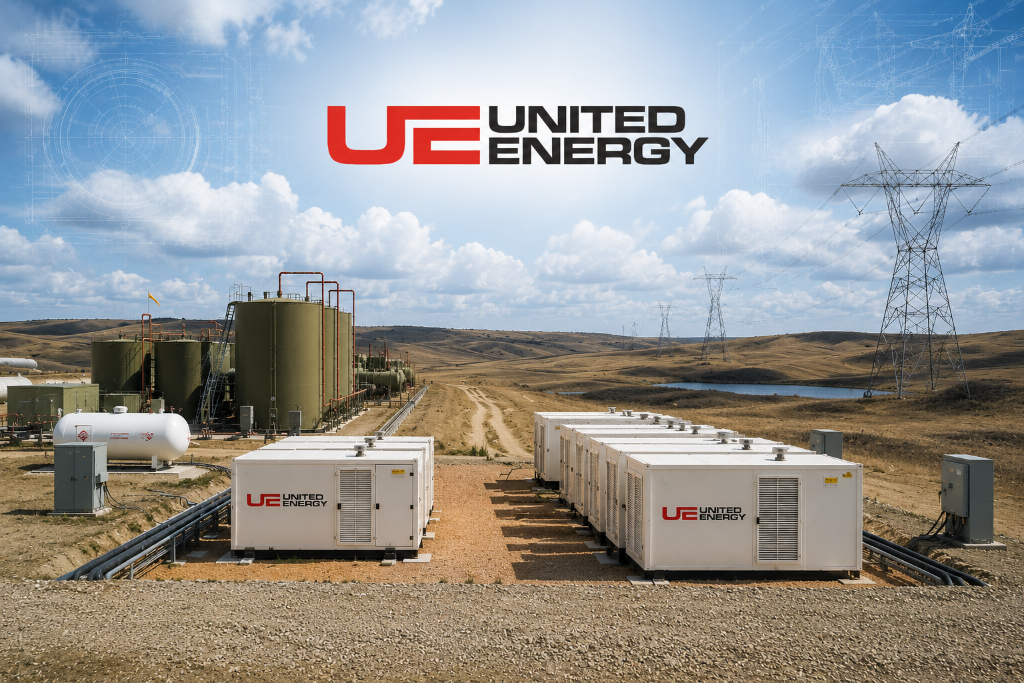
The Fundamentals of Natural Gas Supply
Natural gas is a hydrocarbon fuel consisting primarily of methane (CH4), with smaller amounts of ethane, propane, butane, and other gases depending on the source. It is extracted from underground geological formations — either as associated gas from oil fields or from dedicated gas wells — and transported through an extensive pipeline network to industrial, commercial, and residential consumers across the country.
The United States has one of the world's most extensive natural gas infrastructure systems: approximately 3 million miles of pipeline, hundreds of compressor stations, dozens of major processing facilities, and thousands of interconnection points. This infrastructure is what makes natural gas the dominant industrial fuel in America.
The Natural Gas Supply Chain
Production
Natural gas is produced from conventional gas wells, coalbed methane formations, and tight formations (shale gas, tight gas) using hydraulic fracturing. The shale revolution transformed the US from a gas-deficit to a gas-surplus country, with production exceeding 100 billion cubic feet per day. Major producing regions include the Permian Basin, Appalachian (Marcellus/Utica), Haynesville, and Eagle Ford formations.
Gathering and Processing
Raw gas from wells is gathered through local pipeline networks and transported to processing facilities that remove impurities (water, CO2, hydrogen sulfide) and separate natural gas liquids (ethane, propane, butane) from the methane stream. Pipeline-quality dry gas then enters the transmission pipeline system.
Transmission
Interstate natural gas pipeline transmission systems move gas from producing regions to consuming markets. Major pipeline systems like Texas Eastern, Tennessee Gas Pipeline, and Williams Transcontinental carry billions of cubic feet per day over thousands of miles. These high-pressure transmission systems form the backbone of the US gas supply infrastructure.
Distribution
Local distribution companies (LDCs) receive gas from interstate pipelines at city gate stations and distribute it through local pipeline networks at reduced pressures to end users. LDCs serve residential, commercial, and industrial customers within their service territories.
Who Cannot Access Pipeline Gas
Despite the breadth of the pipeline network, many industrial users lack access to natural gas supply for economic or geographic reasons:
- Remote industrial operations (oilfield facilities, mining sites) far from distribution infrastructure
- Rural manufacturing facilities outside gas utility service areas
- Industrial users in areas where pipeline capacity is fully subscribed
- Facilities requiring temporary or emergency gas supply
For these users, LNG delivered by truck provides natural gas supply without pipeline connection. The Energy Fulfillment™ model integrates LNG production, logistics, and delivery to serve these markets.
Natural Gas Pricing
Natural gas is priced at multiple points in the supply chain:
- Henry Hub: The primary natural gas benchmark, located at a Louisiana pipeline hub. Futures contracts traded on NYMEX are referenced to Henry Hub delivery.
- Regional basis differentials: Prices at regional hubs differ from Henry Hub based on local supply/demand balance and transportation costs.
- Delivered cost: Industrial users pay a delivered cost that includes the commodity price, transportation (pipeline tariffs or LNG logistics), distribution fees, and in some cases, storage service.
Pipeline vs LNG Supply
For users with access to both pipeline and LNG supply options, the choice involves tradeoffs:
- Pipeline gas: Lower marginal cost for baseload supply, continuous flow, no storage management required, but dependent on pipeline reliability and capacity
- LNG supply: Greater geographic reach, on-site storage provides supply buffer and independence, higher logistics cost but valuable resilience
Many industrial users benefit from hybrid supply: pipeline gas for baseload, LNG storage for peak shaving and emergency backup.
Key Takeaways
- The US natural gas supply chain spans production, gathering, processing, interstate transmission, and local distribution
- The shale revolution made the US a gas-surplus country with abundant, affordable supply
- LNG truck delivery extends natural gas access to locations the pipeline network cannot economically serve
- Natural gas pricing includes commodity, transportation, and distribution components
- Hybrid pipeline/LNG supply strategies provide both cost efficiency and resilience
What is Henry Hub and why does it matter?
Henry Hub is a natural gas pipeline hub in Erath, Louisiana that serves as the primary pricing benchmark for North American natural gas. NYMEX natural gas futures contracts specify delivery at Henry Hub. Prices at other locations are quoted as differentials to Henry Hub based on transportation costs and local supply/demand conditions.
How do natural gas prices compare to electricity prices for industrial users?
Direct comparison depends on efficiency factors, but natural gas delivered to industrial facilities typically provides energy at lower cost per unit of useful energy than electricity for process heat applications. For power generation, natural gas generation economics depend on plant efficiency, capital costs, and local electricity prices.
What is a firm vs interruptible gas supply contract?
Firm gas supply contracts guarantee delivery at specified volumes and cannot be interrupted by the supplier. Interruptible contracts are lower cost but allow the supplier or pipeline to curtail deliveries during high-demand periods. Industrial users with critical processes typically require firm supply contracts.
How does the LNG supply chain connect to natural gas markets?
LNG is produced by liquefying pipeline natural gas at a liquefaction facility. LNG prices are therefore linked to natural gas commodity prices, plus the cost of liquefaction, logistics, and regasification. LNG delivered cost for industrial users reflects the full supply chain economics from gas field to end user.
What causes natural gas supply disruptions?
Pipeline supply disruptions can result from weather events (freezing conditions causing equipment failures), physical damage to infrastructure, maintenance outages, and in extreme cases, supply/demand imbalances causing curtailments. LNG on-site storage is a proven hedge against pipeline supply disruption risk.
Secure Your Natural Gas Supply
United Energy provides reliable LNG supply for industrial and remote energy users who need natural gas without pipeline dependence.