
Pipeline vs LNG Supply: Choosing the Right Strategy
Industrial facilities often face a choice between pipeline gas and LNG supply. This guide compares the two options across cost, reliability, flexibility, and infrastructure requirements.
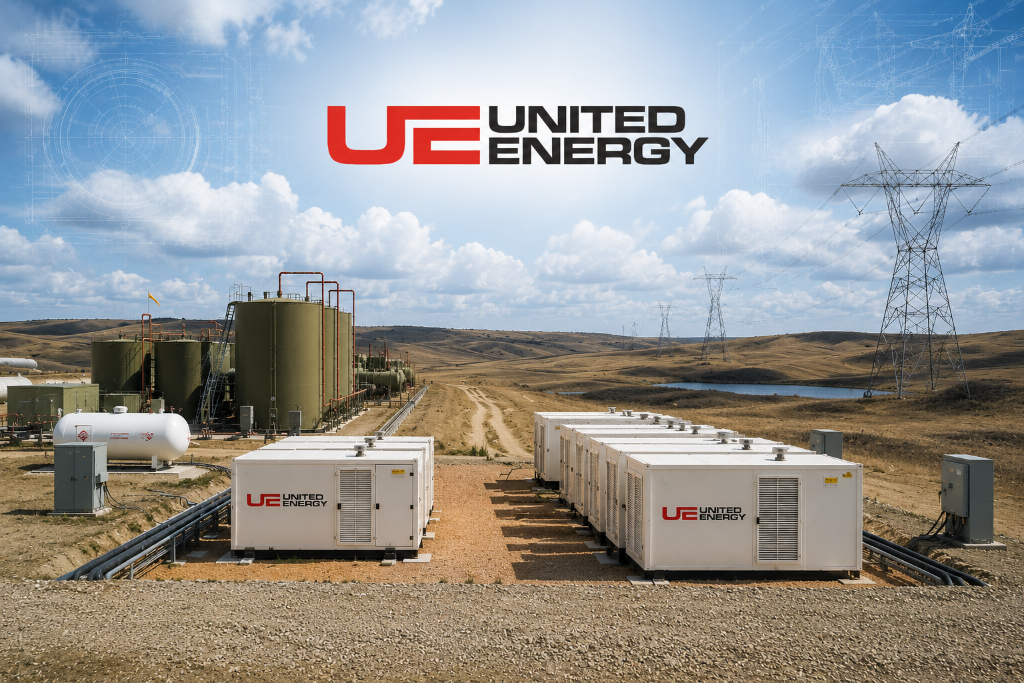
Pipeline or LNG: A Strategic Decision
For industrial facilities with a choice between pipeline natural gas service and LNG truck delivery, the decision involves tradeoffs that are not always obvious. Pipeline gas is the default assumption — it is how industrial natural gas supply has historically worked. But for a growing segment of industrial users, LNG offers advantages in flexibility, resilience, and sometimes even cost that make it a strategic choice rather than simply a second-best alternative.
Pipeline Gas: Advantages and Limitations
Advantages
- Lower marginal cost: Pipeline gas delivery typically has lower incremental cost per unit than LNG for baseload supply once pipeline connection is established
- Continuous flow: Pipeline supply is continuous without scheduling or delivery management
- Established infrastructure: Existing pipeline connections require minimal ongoing management
- No on-site storage management: Pipeline gas doesn't require on-site storage management under normal conditions
Limitations
- Availability: Pipeline service requires existing pipeline capacity near the facility — not available everywhere
- Lead time: Establishing new pipeline service can take months to years
- Capacity constraints: Interruptible service can be curtailed during peak demand periods
- No supply buffer: Pipeline supply provides no on-site reserve — when the pipeline goes down, supply immediately ceases
- Inflexibility: Changing supply volumes requires pipeline capacity modifications
LNG Supply: Advantages and Limitations
Advantages
- Geographic reach: LNG reaches any truck-accessible location, regardless of pipeline availability
- Faster deployment: LNG supply can be established in weeks; pipeline service takes months to years
- On-site storage buffer: LNG storage provides days to weeks of supply reserve independent of logistics conditions
- Supply flexibility: LNG volumes can be adjusted more readily than pipeline capacity
- Backup capability: LNG can supplement pipeline supply during curtailments or outages
Limitations
- Higher logistics cost: LNG delivery has higher logistics cost than pipeline transmission for baseload supply
- Storage management: On-site cryogenic storage requires management and maintenance
- Delivery scheduling: LNG requires active delivery scheduling and logistics coordination
- Infrastructure investment: Cryogenic storage and regasification equipment require capital investment
The Hybrid Strategy
The optimal solution for many industrial facilities is not pipeline-only or LNG-only, but a hybrid: pipeline gas for baseload supply (lowest marginal cost) combined with LNG storage for peak shaving, backup supply, and resilience. This hybrid model is common among industrial facilities in areas with pipeline service that also face interruptible contracts, peak demand periods, or reliability requirements that pure pipeline service cannot meet.
Key Decision Factors
- Pipeline availability: If no pipeline exists within reasonable connection distance, LNG is the practical choice
- Connection timeline: If operations need to begin before pipeline can be connected, LNG bridges the gap
- Supply security requirements: Facilities requiring supply independence beyond pipeline reliability need on-site LNG storage regardless of pipeline availability
- Volume and economics: At high consumption volumes, LNG logistics economics improve; at low volumes, pipeline marginal cost advantage increases
Key Takeaways
- Pipeline gas has lower marginal cost for established connections but offers no supply buffer and is unavailable in many industrial locations
- LNG provides geographic reach, faster deployment, and on-site storage resilience at higher logistics cost
- Hybrid pipeline/LNG strategies are common and provide the best of both supply options
- Pipeline availability, connection timeline, and supply security requirements are the primary decision drivers
- LNG is increasingly competitive as logistics networks mature and delivery economics improve with scale
Can a facility switch between pipeline and LNG supply?
Yes. Facilities that have both pipeline connection and on-site LNG infrastructure can switch between the two sources or use them simultaneously. The ability to switch provides supply flexibility and resilience that either source alone cannot provide.
Is LNG always more expensive than pipeline gas?
For established, baseload pipeline service, pipeline gas is typically lower marginal cost. However, for new connections requiring significant pipeline extension, facilities during commissioning before pipeline service is available, or applications requiring supply security beyond pipeline reliability, LNG may be cost-competitive when all costs are properly accounted.
How long does it take to establish new pipeline service?
New pipeline service connections vary from months (extending existing distribution systems short distances) to years (new interstate pipeline capacity or long main extensions). The timeline depends on distance, required infrastructure, permitting, and the local distribution company's capacity situation. LNG can bridge the entire period before pipeline service is available.
Can LNG be used as a backup to pipeline supply?
Yes. On-site LNG storage that supplements pipeline supply is a standard application. When pipeline supply is curtailed, interrupted, or experiencing quality issues, the LNG system can be brought online to continue facility operations. This backup capability is a major driver of industrial LNG adoption even in pipeline-served markets.
LNG Supply for Pipeline-Independent Operations
United Energy provides LNG supply for facilities without pipeline access and hybrid pipeline/LNG supply solutions for maximum energy security.