
Distributed Energy for Industrial Facilities
Industrial facilities are increasingly adopting distributed energy as a primary and backup power strategy, driven by grid reliability gaps, LNG fuel access, and the need for energy independence.
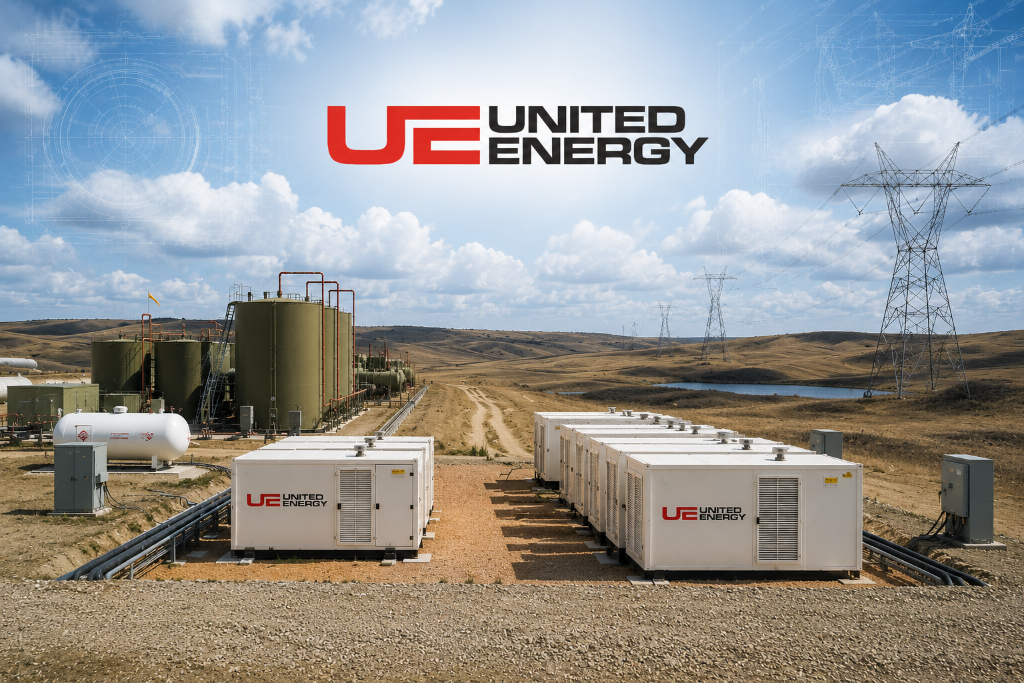
Why Industrial Facilities Need Distributed Energy
Industrial facilities — manufacturing plants, processing facilities, mining operations, heavy industry — have the most to lose from energy supply interruptions and the most to gain from energy independence. An industrial facility running a continuous process cannot afford the utility grid's 99.9% availability level — that 0.1% of downtime translates to hours of production loss per year at the worst possible times.
Distributed energy provides industrial facilities with power supply that is under their direct control: generated on-site or adjacent to the facility, fueled by LNG or pipeline gas stored on-site, and maintained by their own operations team or a contracted service provider. This control over energy supply — rather than dependence on utility infrastructure — is increasingly a competitive necessity for industrial operators.
Industrial Distributed Energy Applications
Remote Facility Power
For industrial facilities without viable grid connections — remote oil and gas processing, mining operations, aggregates production in rural areas — distributed generation is not a choice but a requirement. LNG-fueled generation systems provide the reliable continuous power these facilities need. See: LNG Fueling for Remote Operations.
Grid-Connected Backup and Reliability Upgrade
For industrial facilities with grid access but inadequate reliability, distributed generation supplements grid power to achieve the reliability tier required for continuous process operations. This hybrid approach uses grid power for its cost efficiency while providing distributed backup for the reliability gaps the grid cannot fill.
Demand Charge Reduction
Industrial electricity tariffs typically include demand charges based on peak 15-minute or 30-minute average demand. On-site generation that shaves peak demand during high-demand periods can significantly reduce demand charges. For industrial facilities with high demand charges relative to energy charges, this application provides attractive economics independent of backup power value.
Combined Heat and Power
Industrial facilities with simultaneous heat and power needs are excellent candidates for CHP systems. Natural gas-fueled CHP achieves 70–80% overall energy efficiency by capturing and using waste heat from power generation, versus 33–45% for grid power alone plus separate heating fuel. For LNG-fueled industrial facilities, CHP maximizes the energy value extracted from each unit of LNG delivered.
Fuel Supply for Industrial Distributed Generation
Natural gas is the preferred fuel for industrial distributed generation due to its energy density, clean combustion, and wide availability in pipeline-served markets. For industrial facilities without pipeline access, LNG delivered by truck provides the same fuel through a complete off-grid supply chain. United Energy's Energy Fulfillment™ platform integrates every link from gas procurement through on-site power delivery.
Key Takeaways
- Industrial facilities have higher reliability requirements and higher downtime consequences than commercial users, making distributed energy more valuable
- Applications span remote power, grid supplementation, demand charge reduction, and combined heat and power
- LNG enables distributed generation at industrial facilities without pipeline access
- CHP maximizes energy efficiency by capturing waste heat for industrial process applications
- Integrated fuel supply management is essential to the reliability of distributed generation systems
What size generator is appropriate for an industrial facility?
Generator sizing depends on the facility's critical load (the loads that must remain on during outages), with starting margin added for motor loads. Industrial facilities range from a few hundred kW to tens of MW of backup generation capacity. Proper sizing requires load analysis rather than rule-of-thumb estimates.
How does CHP improve industrial energy economics?
CHP systems generate electricity at 30–45% efficiency from fuel, then recover 35–45% of fuel energy as useful heat from exhaust and cooling systems. Combined, overall fuel utilization reaches 70–85%, dramatically improving energy economics versus buying grid power and burning separate heating fuel.
Can a manufacturing facility run entirely on distributed generation?
Yes. Facilities with adequate generation capacity, fuel storage, and reliable supply chains can operate entirely on distributed generation. This is the standard configuration for remote industrial facilities and is increasingly being implemented by grid-constrained facilities and those requiring higher reliability than the grid provides.
What fuel options are available for industrial distributed generation?
Natural gas (pipeline or LNG), diesel, and propane are the primary fuel options for industrial distributed generation. Natural gas provides the best combination of economics, emissions performance, and equipment longevity. LNG enables natural gas use at locations without pipeline access.
Distributed Energy for Industrial Operations
United Energy provides LNG-fueled distributed generation solutions for industrial facilities requiring energy independence and supply reliability.