
Distributed Energy Providers: What to Look For
Selecting a distributed energy provider requires evaluating technical capability, fuel supply integration, operational track record, and service model. This guide explains what to look for.
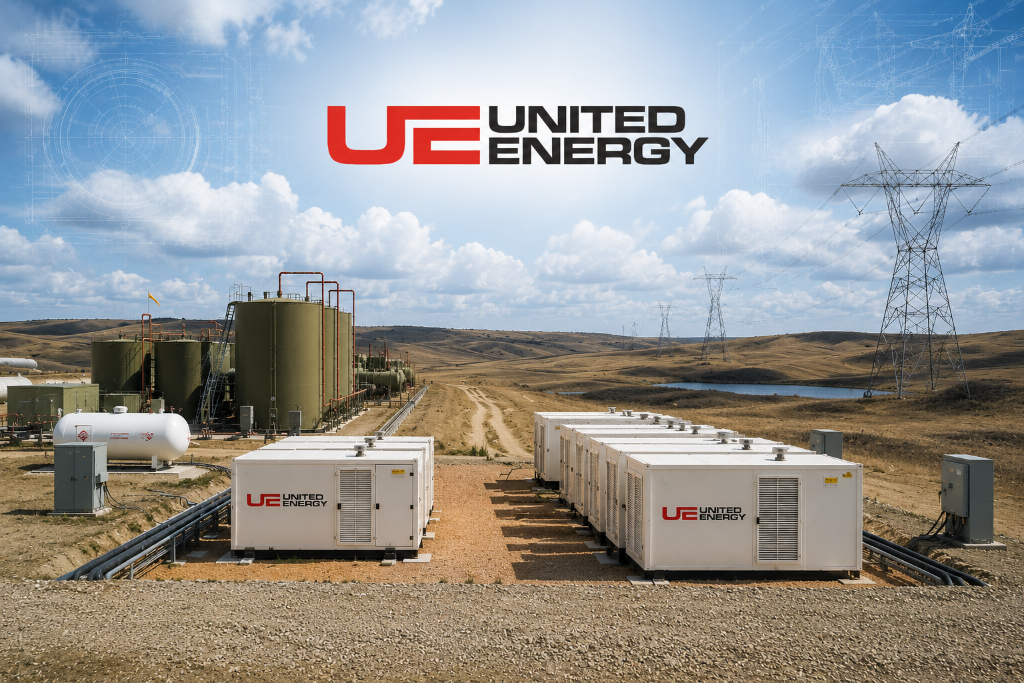
Choosing the Right Distributed Energy Provider
The distributed energy market includes equipment manufacturers, engineering firms, logistics providers, operations companies, and integrated service providers — a broad range of participants who each describe themselves as 'distributed energy providers.' For industrial operators seeking a reliable energy partner, understanding what differentiates a genuine integrated provider from a equipment vendor or logistics company requires examining capability across the complete energy supply chain.
What a True Integrated Distributed Energy Provider Does
A genuine integrated distributed energy provider manages the complete supply chain from fuel source to kilowatt output:
- Procures or produces LNG or other fuel
- Manages transportation and delivery logistics
- Provides or supports on-site storage infrastructure
- Operates or maintains regasification/fuel handling systems
- Designs, installs, or provides access to generation equipment
- Provides ongoing operations and maintenance for all system components
- Monitors performance and manages emergency response
This integration is what United Energy's Energy Fulfillment™ model represents. The distinction matters because fragmented arrangements — where different parties handle fuel, logistics, and generation operations — create accountability gaps that surface during supply disruptions.
Evaluation Criteria
Technical Capability
Confirm that the provider has: engineering capability for system design, experience with the specific generation and LNG equipment technologies relevant to your application, and field operations personnel capable of maintaining all system components.
Fuel Supply Integration
Ask: Does the provider own or manage LNG production, or are they a reseller of third-party LNG? Do they operate their own delivery fleet or use spot carriers? Can they document supply reliability history?
Operating Track Record
Request references from existing customers with similar applications. Ask about supply disruption history and how disruptions were managed. Review safety record and incident history.
Service Model and Accountability
Understand who is accountable for performance at each step: when supply is interrupted, who is responsible and what is the response protocol? Single-point accountability is preferable to fragmented responsibility.
Geographic Coverage
Confirm that the provider's LNG supply chain and service capabilities extend to your location. Geographic reach is a function of liquefaction facility locations, fleet capacity, and service personnel deployment.
Key Takeaways
- Genuine integrated distributed energy providers manage every element from fuel to power output — not just individual components
- Single-point accountability for the complete system is the defining differentiator of integrated versus fragmented providers
- Evaluate fuel supply ownership, fleet management, operating track record, and geographic coverage as part of provider assessment
- References from similar applications provide the most reliable performance validation
- Service model clarity — who is accountable for what — should be established before contract execution
What questions should I ask a distributed energy provider?
Key questions: Do you own your LNG supply or resell third-party LNG? Do you own your delivery fleet or use spot carriers? What is your on-time delivery performance over the past 12 months? Who is responsible when supply is disrupted? Can you provide references from customers with similar applications? What are your emergency response protocols and contact procedures?
Is a larger distributed energy provider always better?
Size is not always the most important attribute. A larger provider with fragmented supply chain management may provide less reliable service than a smaller provider with tight, integrated control of every supply chain element. Evaluate capability and accountability structure rather than size alone.
What is an energy-as-a-service (EaaS) model?
In an EaaS arrangement, the provider designs, owns, and operates the energy infrastructure, and the customer pays for energy delivered (kWh or MMBtu) rather than owning equipment. This shifts capital burden and operational responsibility to the provider while giving the customer predictable energy cost and professional system management.
How do I verify a distributed energy provider's safety record?
Request OSHA 300 logs (incident records), ask for DOT safety rating information for logistics operations, and check the carrier's safety scores through FMCSA's Safety Measurement System (SMS). Reference checks with existing customers can provide qualitative context beyond the formal records.
Integrated Distributed Energy from United Energy
United Energy provides complete distributed energy solutions — from LNG production through on-site power delivery — under single-operator accountability.