
Energy Transition and Natural Gas
Natural gas plays a complex and often misunderstood role in the energy transition. This guide examines the evidence for natural gas as a long-duration bridge fuel and the infrastructure implications.
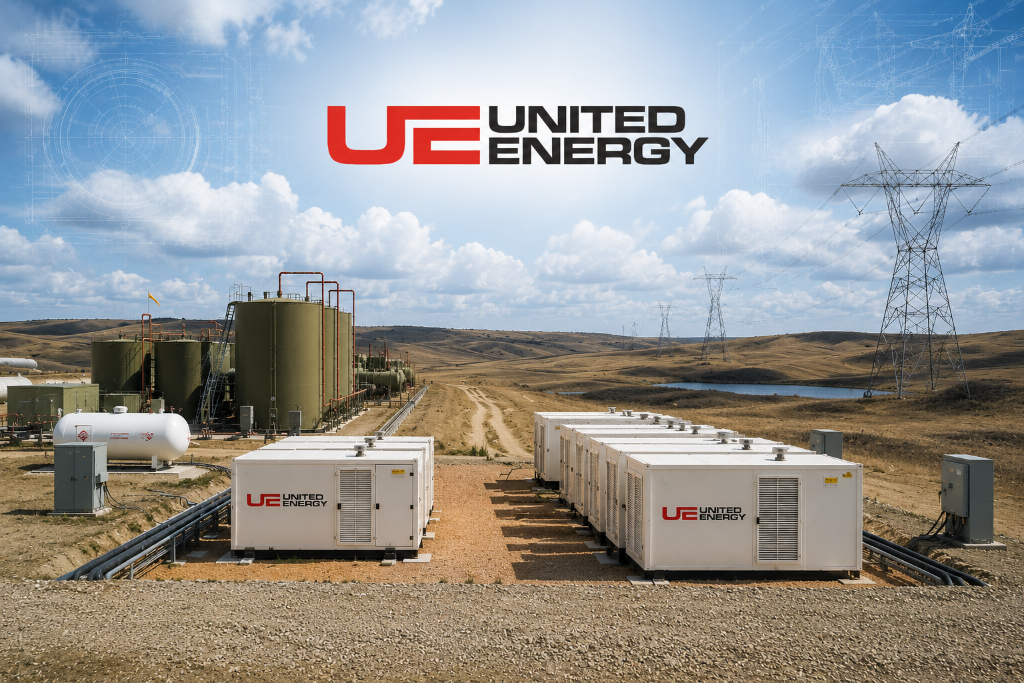
Natural Gas in the Energy Transition
The energy transition — the long-term shift from fossil fuels to lower-carbon energy sources — is one of the most discussed and debated topics in energy markets. For natural gas infrastructure investors, industrial energy planners, and operators making long-term capital decisions, understanding natural gas's realistic role in the transition is essential for avoiding both unwarranted pessimism and unfounded optimism.
What the Evidence Shows About Natural Gas in Transition Scenarios
A review of credible energy transition scenarios — from the IEA, EIA, IPCC, and major energy research organizations — reveals a consistent pattern: natural gas plays a significant role in the energy system through at least 2040 and in many scenarios well beyond 2050, particularly for:
- Industrial process heat requiring high temperatures that current electrification technologies cannot economically provide
- Backup and peaking power generation that renewable-intermittent systems require as complementary supply
- Industrial operations in remote geographies where infrastructure investment for renewable alternatives is prohibitive
- Heavy-duty transportation where energy density requirements favor liquid fuels
Where Natural Gas Is Being Displaced
Natural gas is being displaced in applications where electrification is practical and economically competitive: residential space and water heating in areas with low-carbon grid power, light-duty vehicle transportation, and certain commercial applications. These displacement trends are real and accelerating in specific markets.
The Industrial Heat Challenge
Industrial process heat above 300°C — required for glass, ceramics, metals, chemicals, and many other manufacturing processes — is one of the most difficult energy transition problems. Electric arc heating and induction heating are viable for some applications but are not universally applicable, and hydrogen combustion faces cost and supply chain challenges that make large-scale industrial adoption unlikely before the mid-2030s at earliest.
This industrial heat challenge is one of the primary reasons credible transition scenarios maintain significant natural gas demand through the 2040s and 2050s.
LNG's Role in the Long-Duration Gas Market
For the market segment that natural gas continues to serve — remote industrial users, off-grid power generation, peak shaving, and process heat applications — LNG infrastructure provides the supply mechanism for users who are geographically disconnected from pipeline networks. The durability of natural gas demand in these applications supports multi-decade useful lives for small-scale LNG infrastructure assets built today.
United Energy's positioning is in the distributed energy and industrial LNG markets where natural gas demand durability is strongest — remote operations, off-grid power, and industrial process applications.
Key Takeaways
- Credible energy transition scenarios include significant natural gas demand through 2040 and beyond for industrial heat and backup power applications
- Industrial process heat above 300°C lacks practical electric alternatives for most applications, supporting durable gas demand
- Natural gas is being displaced in residential heating and light transportation in some markets
- LNG infrastructure built today serves 20–50 year asset lives in markets with structural demand durability
- Understanding the specific applications where natural gas demand is durable is essential for infrastructure investment analysis
Will natural gas be eliminated by the energy transition?
Most credible scenarios do not eliminate natural gas; they reduce its role in some applications (residential heating, grid power in low-carbon grid markets) while sustaining it in others (industrial heat, backup/peaking power, remote energy). The timeline varies by region and application.
What is the 'bridge fuel' concept for natural gas?
The bridge fuel concept holds that natural gas serves as a transitional fuel between higher-carbon alternatives (coal, diesel) and future low-carbon alternatives (renewable energy, hydrogen, carbon capture). Natural gas's lower CO2 emissions make it a nearer-term improvement while longer-term alternatives develop. The 'bridge' length is debated but most analyses suggest multi-decade timescales.
How does green hydrogen affect natural gas's long-term role?
Green hydrogen (produced from renewable electricity) could eventually substitute for natural gas in industrial applications where high-temperature combustion is required. Current green hydrogen costs are 3–5x higher than natural gas on a BTU basis, and the production and distribution infrastructure is nascent. Large-scale industrial substitution is not expected before the 2035–2040 timeframe at earliest, and even then only in markets with low-cost renewable electricity.
Does the energy transition affect LNG infrastructure investment decisions?
Infrastructure with 20–50 year asset lives needs to be evaluated against transition scenario probability distributions, not single scenarios. For small-scale distributed LNG serving industrial heat and remote power applications where transition is slowest, asset life economics are relatively robust. For larger-scale infrastructure in markets where transition is fastest, the analysis is more nuanced.
Natural Gas Infrastructure for the Long Term
United Energy operates distributed LNG infrastructure in markets where natural gas demand durability is strongest — remote industrial operations, off-grid power, and industrial process applications.