
LNG-to-Power Applications
LNG-to-power systems convert liquefied natural gas into electricity through an integrated chain of storage, regasification, and gas-fired generation. This guide explains the applications and architecture.
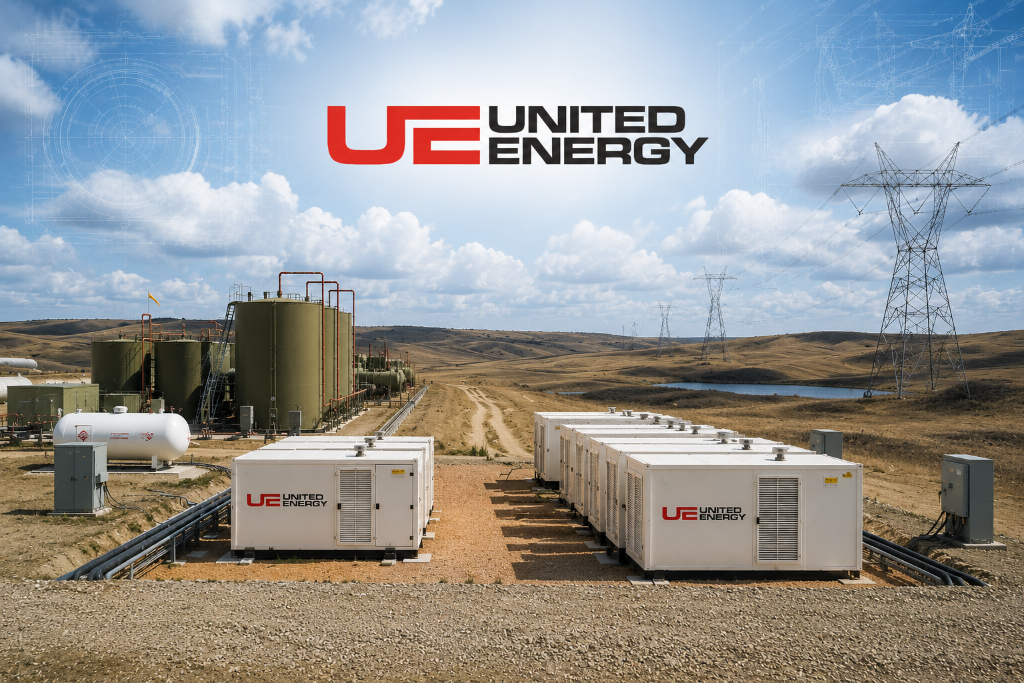
What Is LNG-to-Power?
LNG-to-power describes the complete system that converts liquefied natural gas into electrical power at a point of consumption. The term encompasses the entire chain: LNG delivery and storage, regasification to natural gas, gas distribution to generation equipment, and electricity output to facility loads.
This integrated system enables reliable power generation at any truck-accessible location, independent of utility grid connection or pipeline infrastructure. It is the enabling technology for truly distributed energy — power available wherever it is needed, fueled by LNG that can be delivered anywhere a cryogenic truck can travel.
Core System Components
An LNG-to-power system consists of:
- LNG storage: On-site cryogenic tanks sized for target runtime at the facility's power demand
- Regasification/vaporization: Equipment that converts LNG to natural gas at the required flow rate for generation equipment
- Gas distribution: Piping from vaporizer to generator fuel inlets, with appropriate pressure regulation
- Generation equipment: Natural gas generator sets or gas turbines sized for facility power demand
- Electrical distribution: Switchgear, breakers, and wiring from generators to facility loads
- Control systems: Generator management, automatic transfer switching, and monitoring systems
Remote Industrial Power
The most fundamental application: providing continuous electrical power to remote industrial operations without grid access. Mining sites, oil and gas production facilities, construction power plants, and remote processing operations all use LNG-to-power as their primary power source in the absence of utility grid service.
Off-Grid Data Center Power
Emerging application: providing primary power for data centers in grid-constrained locations that cannot obtain utility service on acceptable timelines. LNG-to-power systems deployable in months versus years for grid interconnection are increasingly attractive to AI data center operators on tight deployment schedules.
Backup and Emergency Power
LNG-to-power systems provide backup power with extended runtime potential that exceeds diesel systems' storage-constrained limits. For critical facilities requiring days to weeks of backup capability, LNG-fueled backup generation combined with on-site cryogenic storage provides the required runtime.
Peak Power Supplementation
Grid-connected facilities use LNG-to-power systems to supplement grid supply during peak demand periods, reducing demand charges and providing power quality independence during grid disturbances. This application captures economic value from demand charge avoidance while maintaining the reliability backup of distributed generation.
Sizing an LNG-to-Power System
Sizing requires matching each system component to facility requirements:
- Generator capacity: Sum of critical loads plus starting margin (20–30%)
- Regasification capacity: Based on generator fuel consumption at full load plus margin
- Storage capacity: Based on target runtime at maximum generation load
- LNG supply logistics: Delivery frequency and truck capacity to maintain storage above minimum levels
United Energy's Energy Fulfillment™ team provides complete LNG-to-power system design for industrial and commercial applications.
Key Takeaways
- LNG-to-power integrates storage, regasification, and gas generation into a complete off-grid power system
- Applications span remote industrial, off-grid data centers, backup power, and peak supplementation
- System sizing must coordinate storage, regasification, generation, and logistics as an integrated system
- LNG-to-power enables reliable electricity at any truck-accessible location, independent of grid and pipeline
- Integrated operators who manage the complete chain from LNG sourcing through power delivery provide the highest reliability
How efficient is LNG-to-power conversion?
Natural gas reciprocating engines achieve electrical efficiencies of 30–45%. Gas turbines achieve 25–40% for simple cycle. Combined heat and power systems that use both electrical output and waste heat achieve 65–85% overall fuel utilization efficiency. For pure power applications, modern gas engines provide competitive efficiency versus alternatives.
What are the maintenance requirements for LNG-to-power systems?
LNG-to-power systems require maintenance of both the LNG infrastructure (tanks, vaporizers, piping) and generation equipment. Generator maintenance schedules follow manufacturer specifications, typically every 1,500–4,000 operating hours for reciprocating engines. Remote monitoring and scheduled maintenance programs, like those provided by United Energy, maintain system reliability.
Can LNG-to-power systems be expanded?
Yes. Modular LNG-to-power systems can be expanded by adding generator units, additional storage capacity, and increased regasification capacity as load grows. This modular scalability allows initial investment to match current demand while preserving flexibility for future expansion.
What is the startup time for an LNG-to-power system?
From a cold start, natural gas generators can be producing power within 30–60 seconds. Systems maintained in warm standby mode (engine idling) can respond even faster. For automatic backup applications, transfer to generator power with UPS bridging maintains power continuity throughout the startup sequence.
LNG-to-Power for Your Operation
United Energy designs and operates complete LNG-to-power systems for industrial, remote, and data center applications.