
Mobile Regasification Systems Explained
Mobile regasification systems enable LNG to be deployed and converted to usable gas at any truck-accessible location. This guide explains how these systems work and where they are used.
What Are Mobile Regasification Systems?
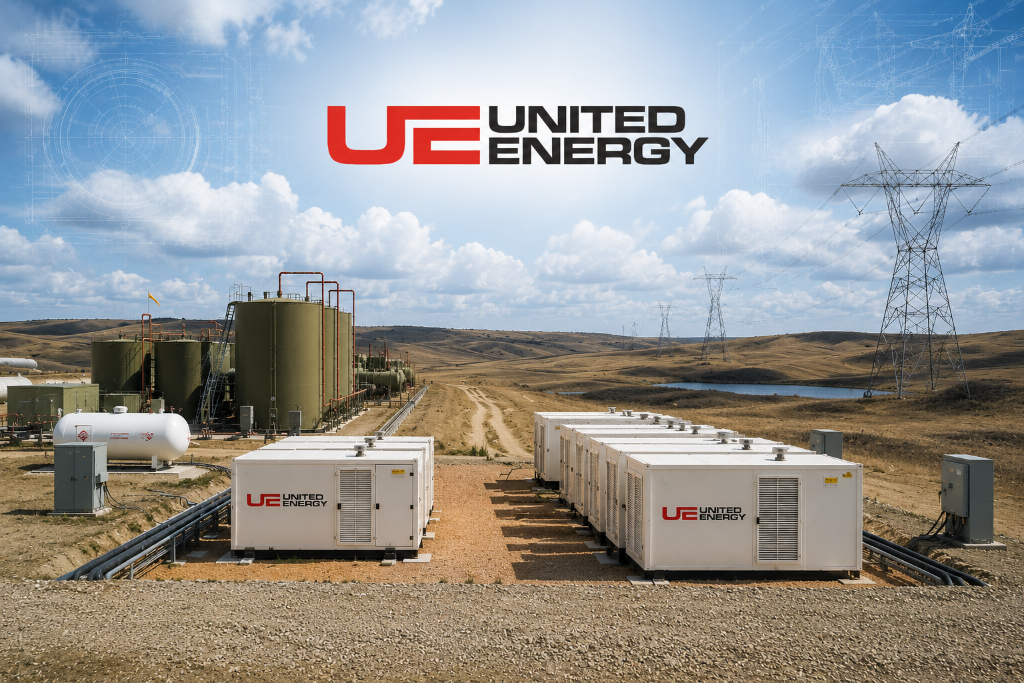
Mobile regasification systems are self-contained LNG vaporization units mounted on trailers or skids that can be transported to any site where LNG needs to be converted to usable natural gas. Unlike permanent fixed regasification installations, mobile systems require no site-built infrastructure beyond a utility connection for gas distribution — they are delivered, connected, and operational in a matter of days.
The mobility of these systems is transformative for LNG deployment. A permanent regasification installation requires site preparation, foundation construction, equipment installation, and commissioning that takes months. A mobile system can be driven to a site, positioned, connected to a gas distribution header, and producing gas within days of the decision to deploy. United Energy's operational capabilities include mobile regasification deployment for industrial and emergency applications.
How Mobile Regasification Systems Work
The core function of a mobile regasification system is identical to a permanent installation: LNG flows from storage through vaporization equipment that adds heat, converting the liquid to gas. Mobile systems incorporate this function in a compact, transportable package:
- LNG inlet connection: Cryogenic hose connection to the LNG storage tank
- Vaporization section: Heat exchanger (ambient air, water bath, or direct-fired depending on design) that warms LNG to above its boiling point
- Pressure regulation: Control system that delivers gas at specified outlet pressure
- Safety systems: Pressure relief, emergency shutoff, gas detection
- Gas outlet connection: Connection to the site gas distribution piping
Applications for Mobile Regasification
Construction Power Plants
Construction sites requiring temporary power generation can use LNG delivered by truck and mobile regasification to fuel gas generators — avoiding the need for diesel and providing lower-cost, lower-emission construction power.
Emergency Gas Supply
Pipeline failures, maintenance outages, or supply disruptions can leave industrial facilities and utilities without gas supply. Mobile regasification systems allow LNG to be delivered by truck and regasified as a temporary replacement for pipeline gas — maintaining operations while pipeline service is restored.
Commissioning and Startup
New industrial facilities awaiting permanent pipeline connection can use LNG and mobile regasification to fuel initial operations during the commissioning and startup phase, rather than delaying operations until the pipeline connection is complete.
Remote and Temporary Industrial Operations
Remote sites, seasonal operations, and temporary industrial installations that require natural gas for process heat or power generation use mobile regasification to provide gas supply without permanent infrastructure.
Sizing Mobile Regasification Systems
Mobile systems are available across a range of vaporization capacities, typically expressed in gallons per hour (GPH) of LNG vaporized or MMBtu per hour of gas delivered. Selecting the right system requires matching vaporization capacity to the peak gas demand at the facility, accounting for ambient temperature effects on air-vaporizer systems.
Regulatory Considerations
Mobile regasification systems must comply with NFPA 59A requirements regardless of their mobile nature. Temporary installations may require advance notice to local fire departments, temporary operating permits, and documentation of compliance with applicable safety standards.
Key Takeaways
- Mobile regasification systems enable LNG deployment at any truck-accessible site within days
- Applications include construction power, emergency supply, startup commissioning, and temporary industrial operations
- Mobile systems are available across a range of vaporization capacities to match different facility demand profiles
- NFPA 59A compliance is required for mobile systems regardless of their temporary nature
- Mobile regasification dramatically reduces the time and capital required to establish LNG supply at a new location
How long does it take to set up a mobile regasification system?
A mobile regasification unit can typically be set up and producing gas within 1–5 days of delivery at a prepared site. Site preparation requirements include a level pad, cryogenic hose connection to the LNG storage tank, and piping connection to the facility gas distribution system.
What is the maximum capacity of mobile regasification systems?
Mobile vaporization systems range from small units capable of 100–500 gallons per hour to larger trailer-mounted systems handling 2,000–5,000 gallons per hour or more. Very large industrial demands may require multiple units operating in parallel.
Can mobile regasification be used in winter conditions?
Yes, with appropriate equipment selection. Direct-fired and water bath vaporizers maintain capacity across all ambient temperature conditions. Ambient air vaporizers experience reduced capacity in cold weather and may ice up in humid conditions — cold weather applications typically specify heat-assisted vaporizers.
Is special permitting required for mobile regasification?
Local fire authorities have jurisdiction over LNG handling operations, including mobile systems. Requirements vary by jurisdiction. Most locations require advance notification to the fire department, confirmation of NFPA 59A compliance, and potentially a temporary operating permit. Early engagement with local authorities is recommended.
How does mobile regasification compare to permanent installation cost?
Mobile systems have higher equipment rental or leasing costs than the amortized capital cost of permanent installations for long-term use. For temporary or emergency applications measured in weeks to months, mobile systems are significantly more economical than permanent installations. For permanent long-term use, capital investment in fixed equipment typically provides better economics.
Mobile Regasification for Your Application
United Energy provides mobile regasification systems for industrial, emergency, and temporary gas supply applications.